IN BREVE
- Ready-to-Drink beverages have conquered the market thanks to their ease of use and convenience.
- These drinks, containing spirits and soft drinks, offer an alcohol content between 5% and 6.5%.
- They are ideal for informal situations like parties or trips, but at home, you can easily prepare a homemade drink.
- Consumption depends on the occasion and personal taste, making Ready-to-Drink options a quick and convenient choice.
- Winemag Tastings: here are the best ready-to-drink options
“Ready or not, here I come, you can’t hide” (cit. Fugees). Whether you like it or not, Ready to Drink options—cans or small bottles of ready-made “cocktails”—have spread widely across supermarket shelves, capturing significant market shares. So, here is a semi-serious digression on the Ready-to-Drink offerings from the most famous beverage brands easily found at major retailers.
READY TO DRINK: WHAT ARE THEY?
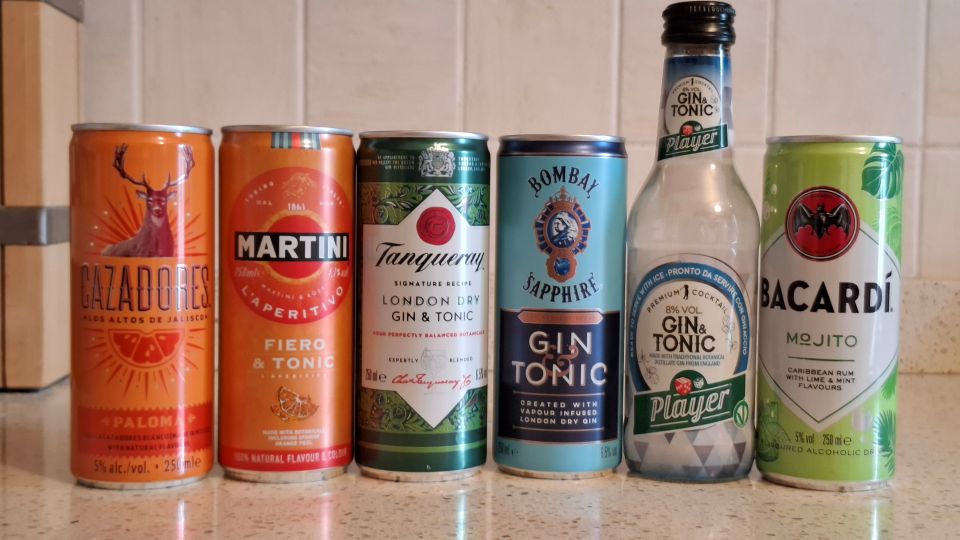
Cazadores Paloma, Cazadores Margarita, Tanqueray London Dry Gin & Tonic, Tanqueray Flor de Sevilla Gin & Tonic, Bombay Sapphire Gin & Tonic, Players Gin & Tonic, Bacardi Mojito, Martini Fiero & Tonic, and Jack Daniel’s & Coca-Cola are our reference samples.
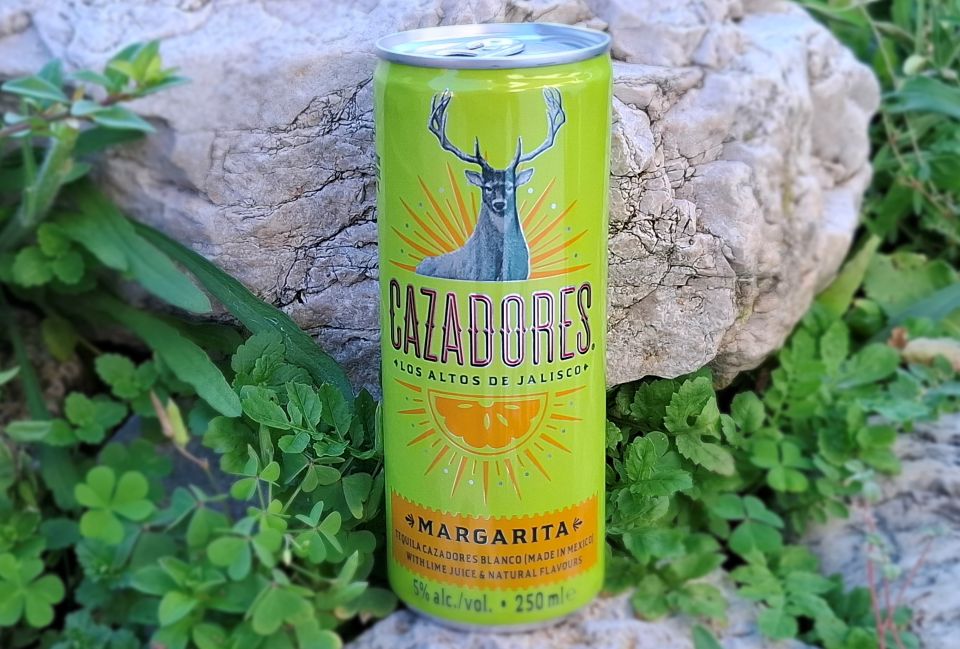
“Alcoholic beverage” or “flavored alcoholic beverage” is the definition on the label. The ingredient list consists of the base spirit (gin, tequila, etc.), the soft drink (tonic water, Coca-Cola, soda, etc.), and “flavorings,” “natural flavorings,” “colorants,” or “lime juice from concentrate,” depending on the product. Alcohol content averages between 5% and 6.5% (4.7% for Martini Fiero & Tonic, 8% for Players Gin & Tonic). Retail prices average between 2.00 and 2.50 euros.
Not a “pure” drink like one served at a cocktail bar counter, then, but as you might imagine, an industrial product that is easy to store and distribute. Ready to Drink, as the name suggests, only needs to be brought to serving temperature by putting them in the fridge or serving them over ice. A valid alternative when you don’t feel like going out, or useful for quick delivery via an app, according to supporters. Little more than sodas, according to detractors.
READY TO DRINK: WHY DRINK THEM AND WHY NOT
«Siamo soli nell’immenso vuoto che c’è, condannati a dare un senso al nulla perché c’è bisogno di una luce quaggiù» (cit. Raf). The choice of whether or not to consume Ready-to-Drink beverages is, clearly, individual. But what are the arguments for and against? Personal taste aside, the real deciding factor lies in the occasion. The “when” and “where” can lead to different decisions.
Ready-to-Drink options can provide a quick and simple solution in all those situations where it would be technically difficult, if not impossible, to make your own “homemade” drink. A party or a barbecue at the park, a day at the beach, a trip out of town. Circumstances in which it is difficult to carry everything needed to “drink well.” That’s where Ready-to-Drink beverages offer an easy, balanced, and very mainstream drink without the hassle—all you need is a cooler bag.
But at home? Justifying their consumption within the home is more difficult. With a little extra effort, in fact, we can enjoy a more satisfying, rich, and varied drink. Without any extra cost, it is possible to make your own drinks at home.
The simplest example, the Gin & Tonic: 40ml of Gin, ice, tonic. “But I don’t have a bartender’s tools at home, how do I measure 40ml?”. Simple. A “level” coffee cup holds 60ml, an espresso (filled to serving level) 30/35ml. Just a bit of guesswork and you’re done!
HOMEMADE: THE ONLY LIMIT IS YOUR IMAGINATION
Gin & Tonic, Coca-Cola & Jack Daniel’s, Fiero & Tonic. Same logic, same quantities. You can vary the type of gin, the type of tonic, you can try replacing Jack Daniel’s with another American whiskey, you can use other vermouths or bitters (like Aperol, Campari, Select, etc.) instead of Fiero. You can vary the proportions by adding more or less soft drink to our 40ml of spirit.
It’s easy to play, experiment, and drink well. For a Mojito with rum and soda, just add a bit of lime juice; the same goes for a Margarita. Grapefruit for a Paloma. Not to mention the vast world of Spritz variations and twists. And if you don’t know a recipe, “Holy Internet” is just a smartphone away.
READY TO DRINK: WINEMAG’S BEST TASTINGS
But how did our samples perform in the tasting?
Best in class (the most balanced and interesting):
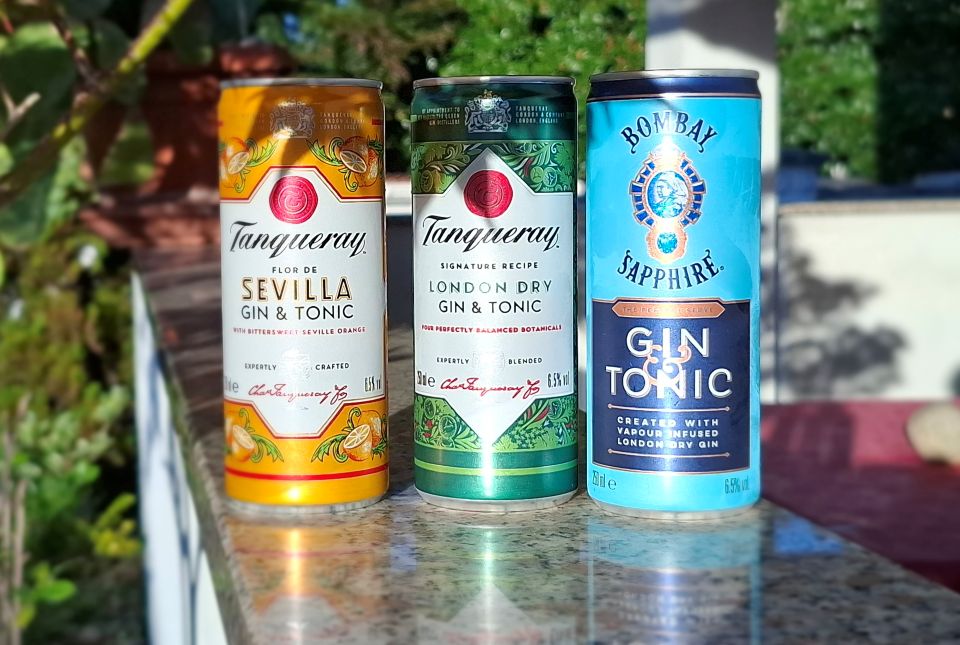
- Bombay Sapphire Gin & Tonic (250ml, 6.5%): okay, it’s easy, but you can taste the gin and the slightly bitter finish reminds us that the juniper is indeed there.
- Cazadores Margarita (250ml, 5.0%): the herbaceous note of the agave emerges and isn’t masked by the sharp freshness of the lime. Surprisingly balanced.
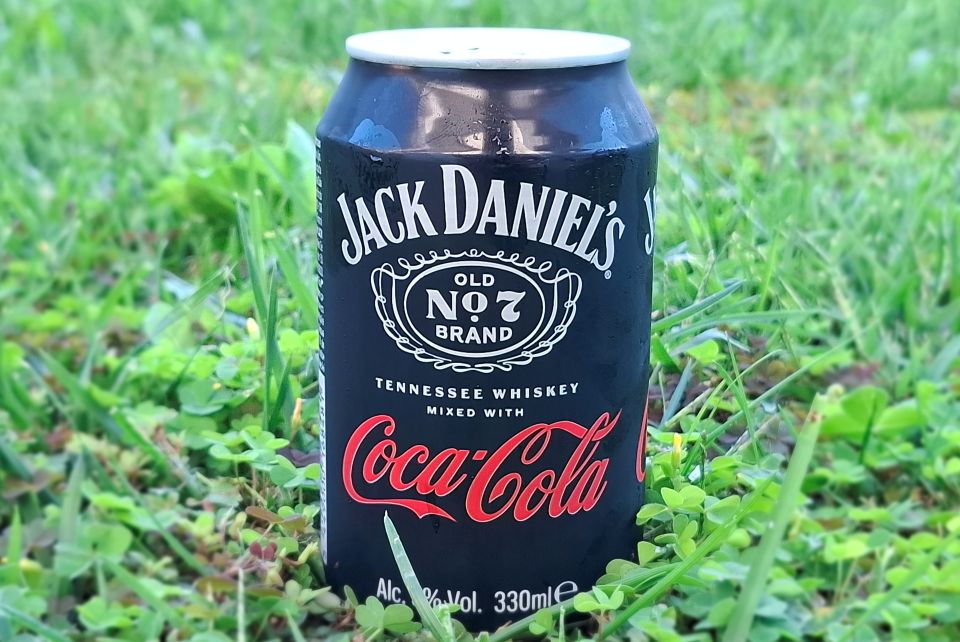
- Jack Daniel’s & Coca-Cola (330ml, 5.0%): curious and indulgent. The vanilla note of the Jack Daniel’s blends with the sweetness of the Coke and almost vanishes, but the woodiness of the new American oak remains vivid. To put it bluntly? A barrel-aged Coca-Cola.
The other tastings:
- Tanqueray London Dry Gin & Tonic (250ml, 6.5%): balanced, perhaps too much. You would expect more verticality from a London Dry. Still enjoyable.
- Tanqueray Flor de Sevilla Gin & Tonic (250ml, 6.5%): same citrus note as the gin it’s derived from. If you like it, you like it.
- Cazadores Paloma (250ml, 5.0%): grapefruit yes, even too much; it tends to cover and hide the pungency of the agave, making it feel more like a soda than a cocktail.
- Players Gin & Tonic (200ml, 8.0%): the “sweetness” award goes to this G&T. The balance is completely shifted toward smoothness. For beginners.
- Bacardi Mojito (250ml, 5.0%): mint—that mint from mint candies and the beloved white Brooklyn chewing gum of the 90s. A bit more kick wouldn’t hurt.
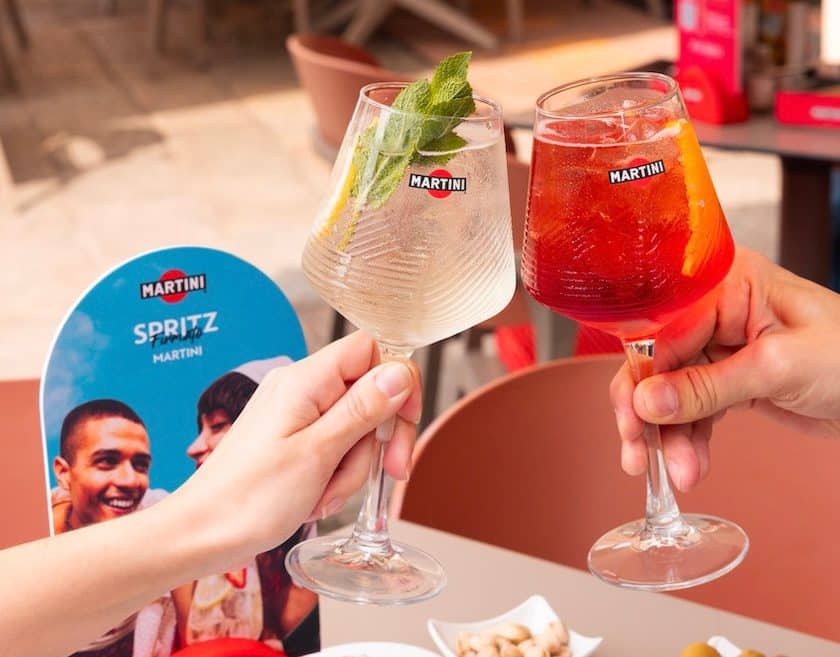
- Martini Fiero & Tonic (250ml, 4.7%): the vivid, bright color is surprising. The Fiero dominates with its marked note of citrus and orange zest; the bitterness of the tonic is barely perceptible. A pre-packaged bottled alternative to the Spritz?