For some time now, the message coming from restaurants has been clear, even if rarely stated: wine has become a problem. Not an asset. Not an identity element. Rather, an inconvenient item. Costs. Storage. Tied-up capital. Staff to train (at best). Customers increasingly wary or misinformed by the natural wine “expert” cousin, who only drinks sulfite-free and Pét-Nat. The result is plain to see. Wine lists increasingly thin, often lazy. Sometimes embarrassing, compared to the good level of the cuisine. A question lingers without ever being truly addressed: if wine weighs so heavily, why do some restaurateurs continue to pretend otherwise?
WINE LISTS CUT TO THE BONE “BECAUSE PEOPLE DON’T DRINK ANYMORE”
In recent years, many wine lists have been simplified, to the point of subtraction. Few labels. Cautious choices. Only reassuring names. Translation: less risk. Less tied-up capital. Less time devoted to storytelling. A choice understandable in some ways, especially in an unstable economic context.
But the problem isn’t the reduction itself: it’s the absence of a project and a connection between cuisine and wine. Cutting wine lists instead of rethinking the model means giving up a fundamental part of the gastronomic experience. Leaving wine in a gray area. Between obligation and annoyance.
SKY-HIGH WINE MARKUPS AT RESTAURANTS
Then there’s the pricing issue. High markups, often calculated automatically (x3, x4), that turn the bottle into a food deterrent. Customers react in various ways. They drink less. They choose by the glass, among those four remaining affordable wines. Or they give up entirely.
In this scenario, corkage fees continue to be seen as a threat, when they could become a solution. Not a free-for-all or a way for the kitchen to disengage from its role in accompanying wine. But a regulated, transparent tool. Capable of bringing wine back to center stage without placing the entire burden on the restaurateur.

Wine and “Disobedience”: Why It’s the Watchword of the Winemag Guide 2027
The wine of the future: what if drinkability and lightness cost more than oak and concentration?
Wine agents under pressure: complimentary bottles and commissions to sell well-known names (to Michelin-starred restaurants)
Wine crisis or those tasked with solving it: which is more alarming?
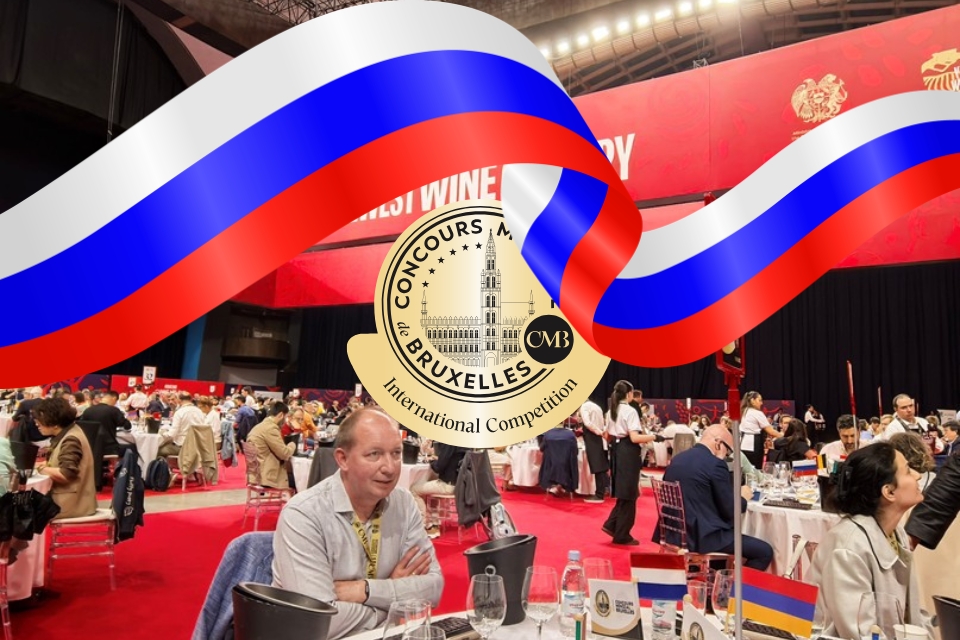
CMB Armenia 2026: Russian judges and wines at Concours Mondial de Bruxelles
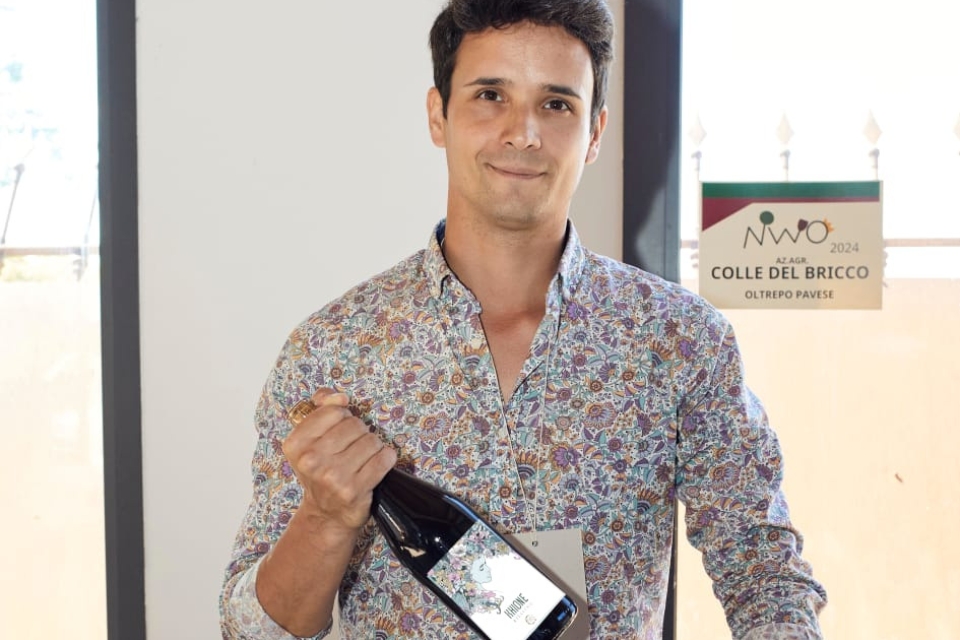
Oltrepò, Colle del Bricco gold at Grow du Monde reopens the Riesling Italico case
With nearly 400 samples entered, the 2026 edition of Grow du Monde, held in Moravia—the production heart of Riesling Italico in the Czech Republic—will be remembered as a record-breaking one. Records in numbers, participation, and attention from the public and professionals: sommelier, buyers, producers, and…

Armenia: €1.6 Million in Public Funds for CMB Concours Mondial de Bruxelles
When the DOC ends up at the police station
There is a moment in the life of every wine denomination when it must choose what to be when it grows up. An identity-driven wine. A territorial symbol. An agricultural flagship. Or a legal file. Until recently, Turlupì di Scorzavacca Superiore was a fragrant, spicy,…
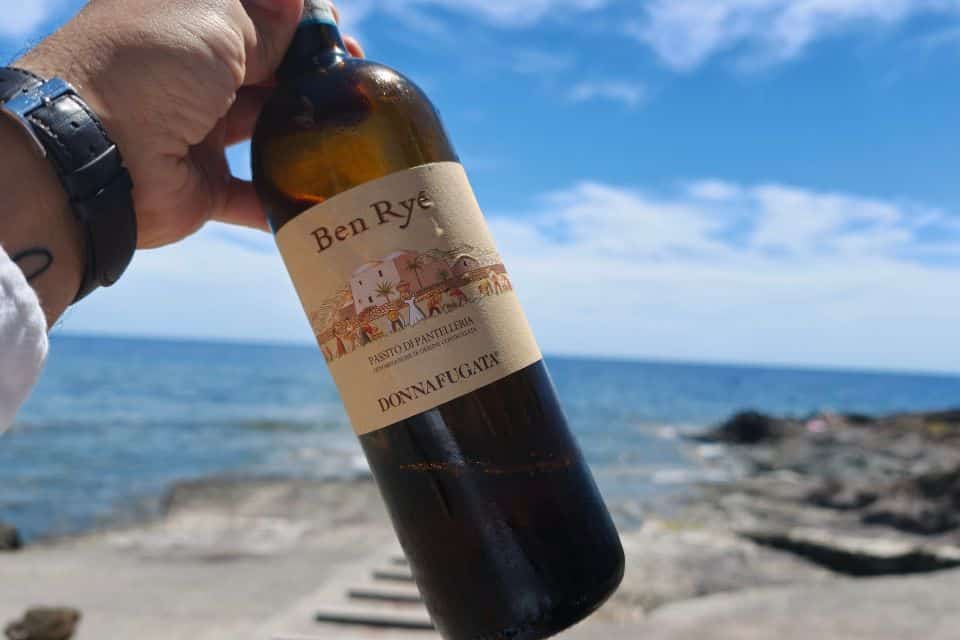
I had dinner with two vintages of Ben Ryé Donnafugata without pairing them with dessert
CORKAGE FEE AS A MODEL, NOT AN EXCEPTION
Accepting that a customer brings their own bottle, paying a fair contribution for service and glassware, doesn’t mean devaluing the restaurant’s work. On the contrary: it means recognizing that wine can also be experienced outside a purely commercial logic. Or, better yet, wine brought by the customer can be a driver for choosing one dish over another, or an extra course, in a well-constructed menu.
In many countries it’s established practice. In Italy it remains a taboo, often more cultural than economic. Yet it could lighten cellars, reduce pricing tensions and stimulate a more mature relationship with drinkers.
LESS EGO, MORE OPEN-MINDEDNESS
Perhaps that’s precisely the point. There’s no need to have a hundred labels if they’re not being discussed or sold. Better a few conscious choices, a curated by-the-glass offering. And regulated freedom, for the customer, to bring wine from home.
With corkage fees, the restaurant doesn’t lose centrality: it changes role. From seller to facilitator. From intermediary to protagonist of the meeting place. If wine today is perceived as a burden, ignoring it won’t make it lighter. Rethinking its place, however, will.