IN BREVE
- Asti and Monferrato have a deep identity linked to agri-food, evolving while maintaining historical traditions.
- The Consorzio Barbera d’Asti focuses on sustainability and communication with new generations about wine.
- Ruché di Castagnole Monferrato, thanks to Don Cauda’s rediscovery, represents a successful aromatic and territorial grape variety.
- Roccaverano DOP is a high-quality cheese, produced sustainably, with a strong connection to local tradition.
- Roccaverano production is rooted in a history of women who have preserved unique cheesemaking techniques.
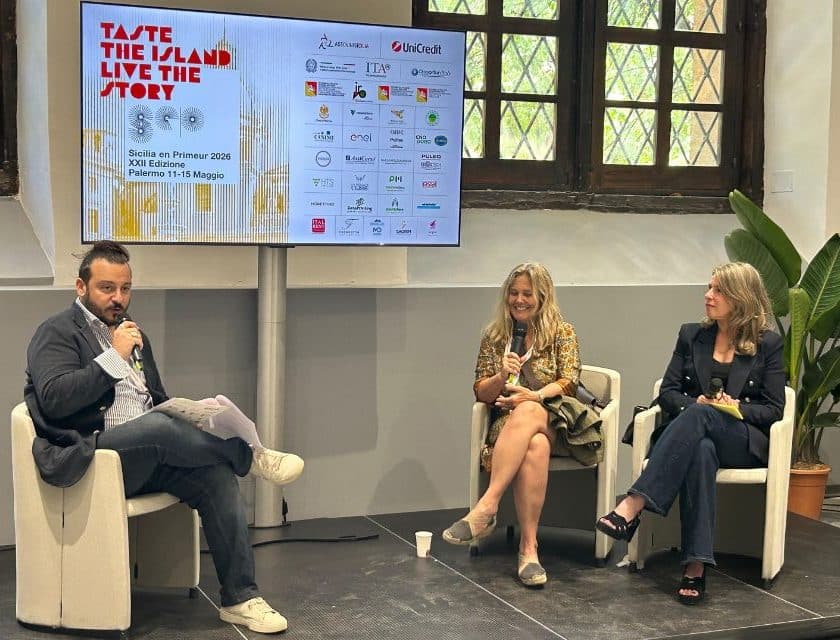
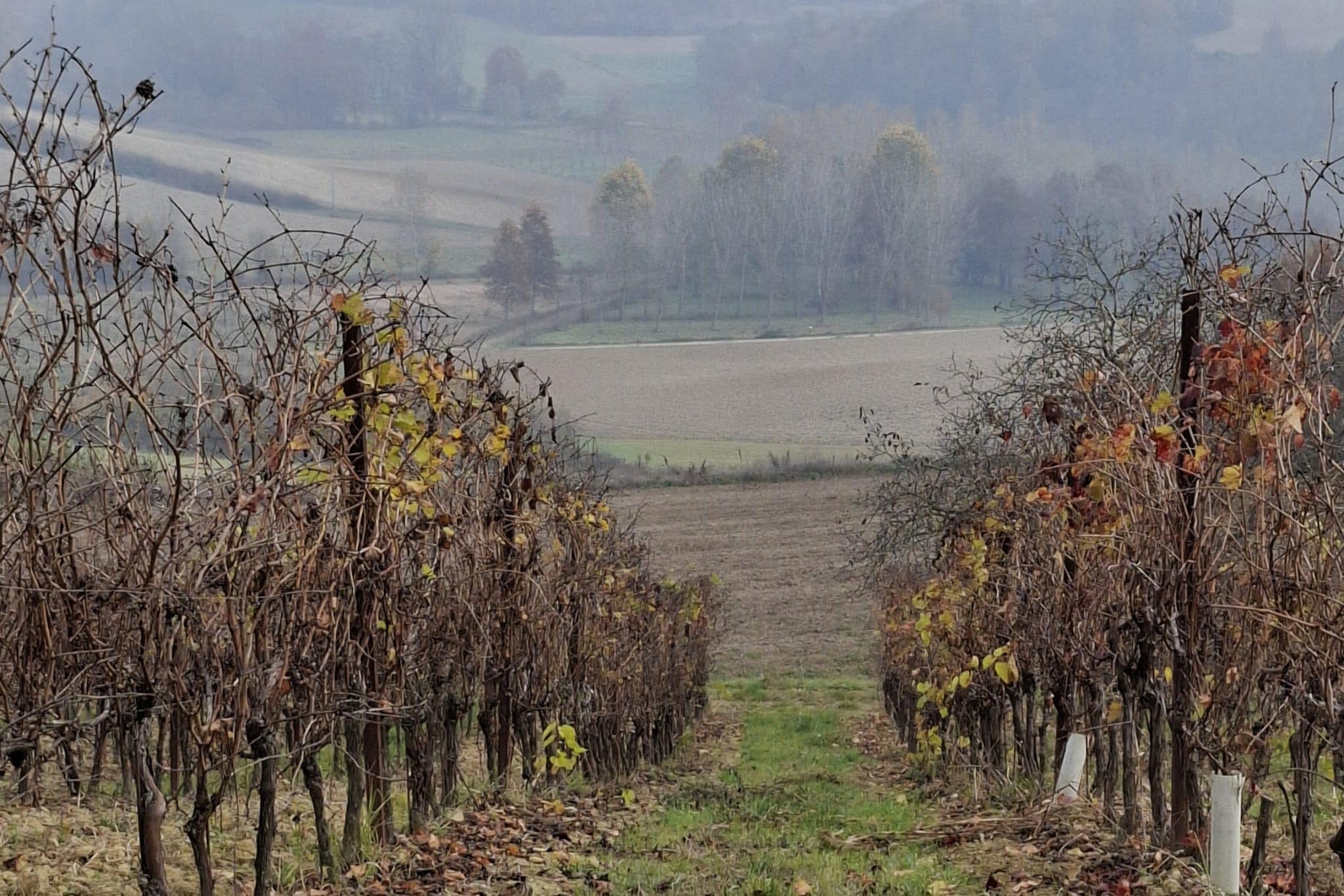
Asti and Monferrato, a territory whose identity has deep roots inextricably linked to what we now call “agri-food.” An identity capable of permeating not only daily life, but also able to evolve, update itself, traverse the decades while remaining true to itself yet adapting to modernity. A contemporary vision of a historic territory. An evolution that has led Barbera to “no longer be what we drank twenty years ago with our grandparents,” while maintaining its “pop” spirit.
An evolution that has led to the rediscovery and rebirth of Ruché and the revaluation of niche cheese productions like Roccaverano DOP. All this in a province that welcomes approximately one and a half million visitors each year related to wine tourism. A figure that reflects the economic and cultural weight of wine in this area of Piedmont.
SUSTAINABILITY AND COMMUNICATION: THE CHALLENGE OF THE PRESENT
The Consorzio Barbera d’Asti e Vini del Monferrato places sustainability at the center of its work, understood as economic, agronomic, and social balance. Since 1995, integrated pest management has been practiced, with a reduction of harmful products in the vineyard. A cultural and productive fabric that remains founded on family farming operations.
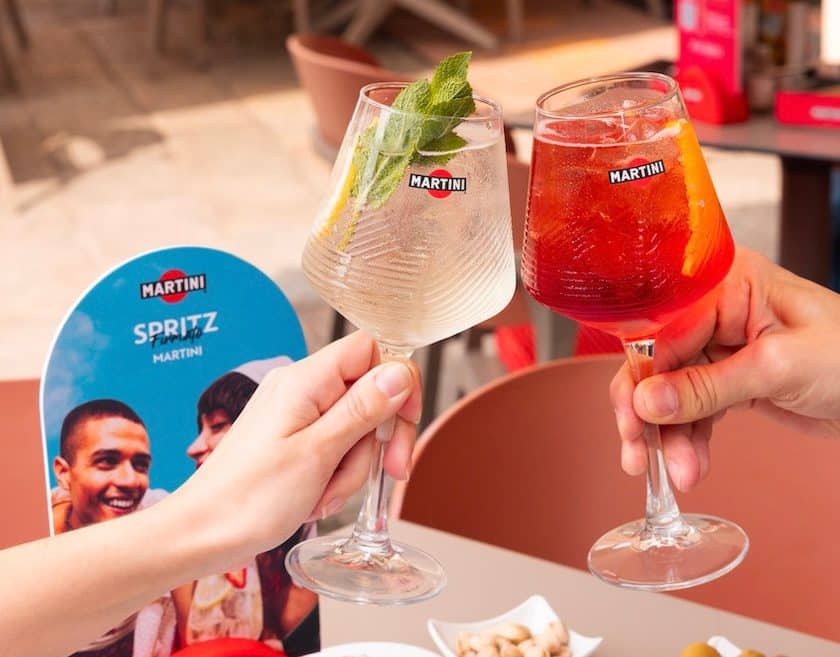
Social sustainability and current times push the Consorzio to question itself on the themes of communication and new generations: how to talk to young people about wine? How to encourage new generations, who seem distant and uninterested in the topic and more attached to the aperitif “spritz,” toward conscious wine consumption?
In a fast-paced, fragmented, and often dispersive communication context, wine language risks seeming distant, too technical and too formal. In this sense, the words of wine communicator Steve Kim are relevant: “Young people don’t want perfection, they want to hear things told by perfectly imperfect voices.”
An apparent contradiction that reminds us how wine must break free from the stiff image given by the pin of this or that association to return to being emotion. Telling the story of wine for what it has been and always is: the companion of pleasant moments, of carefree times with friends, of falling in love, of celebrations and difficult days.
BARBERA, THE QUEEN OF MONFERRATO
“Pop” as only Barbera can be. Authentic in the gentleness of its tannins, lively and angular in its pronounced acidity. A wine that without losing its nature has traversed time, smooth, with a juicy body and brilliant color, embodying those characteristics of everyday drinkability and versatility in pairings so sought after today. A wine unmistakably born of its territory: the continental climate of the area, protected by mountains from the influence of the Ligurian Sea, helps fix acidity and give aromas to the grapes.
Harmony and gentleness that make Barbera not only a wine recognizable internationally, but also a wine of memory capable of evolving and engaging with different generations. An evolution well narrated by the vertical tasting proposed by the Consorzio. The different vintages, between 2024 and 2019, through different climatic patterns and varying stylistic signatures of various producers, tell of a wine not only capable of standing the test of time but narrate a common thread made of color brilliance, freshness on the palate, tannic delicacy, and fullness of flavor.
RUCHÉ: FROM REBIRTH TO SOLID CERTAINTY
A symbol of a territory that has had the capacity to rediscover itself is Ruché di Castagnole Monferrato, today one of the most recognizable denominations in Piedmont. A grape variety whose history is linked to Don Giacomo Cauda, the town’s parish priest in the 1960s. It was Don Cauda who recovered forgotten vineyards and vinified a grape then close to extinction and little appreciated. Following in his footsteps is Luca Ferraris, a winegrower born in 1978 and today the main representative of the denomination, who chose to return to his hometown to focus on a then little-known grape variety.
“You have to have courage,” says Ferraris, recounting when he took over the winery in 2001. “Ruché on the nose seems in elegance like a white wine from Trentino-Alto Adige,” says Ferraris proudly, “while on the palate it’s a warm and balanced wine like the great Piedmontese wines.” A definition perhaps a bit forced but one that sums up the identity of an aromatic and territorial red, appreciated even outside Italy. Today the “Vigna del Parroco” continues to tell this story of terroir, that intuition.
RUCHÉ BETWEEN MARKET, TERRITORIAL IDENTITY, AND FUTURE
It is in the versatility of Ruché that the key to its success is to be found. “It’s a young, easygoing wine that can work in its various versions both for casual drinking and for more demanding moments,” emphasizes Ferraris. A wine strongly linked to the territory, “special is the meaning it has for the local social fabric. Ruché today represents the identity element and the most flourishing economic activity of Monferrato.”
A wine that makes its authenticity that “contemporaneity” so often talked about elsewhere. Good future prospects for the denomination, always to be experienced with caution and with the ability to question oneself. “We should fear our old habits more than American tariffs,” concludes Ferraris, citing for example the debate on wine closures. “Just think, to give one example, of the obsession many still have with cork stoppers, when screw caps ensure better quality.”
ROCCAVERANO: THE BORDER CHEESE
Between Piedmont and Liguria, on the hills of Asti, Roccaverano DOP is born, a cheese that tells of territory, farming, and precise production choices. A cheese production that dialogues with wine. It originates in a small village at 800 meters altitude, involving about twenty neighboring municipalities. A Protection Consortium, that of Roccaverano DOP, which brings together 17 producers for an annual production that does not exceed 550,000 wheels.
Numbers far from those of industry, but consistent with a model based on closed-cycle farms, where everything happens on-site: forage cultivation, goat breeding, milking, and milk processing. A cheese that thanks to a recognizable identity, rigorous production standards, and an integrated agricultural supply chain has abandoned the generic definition of “robiola.”
RIGOROUS PRODUCTION STANDARDS
“No pasteurization and no industrial shortcuts,” emphasizes Matteo Marconi, president of the Consorzio. “It’s the only way to preserve microbial biodiversity and the taste of our valleys.” Rigorous production standards that make sustainability a principle. GMO use is prohibited. A minimum of 80% of goat feed must come from the production territory, strengthening the link between pasture, milk, and the aromatic profile of the cheese. Mandatory grazing, from March 1 to November 30 for goats, strictly of the Roccaverano and Camosciata delle Alpi breeds. Whey starter for fermentation is recovered from processing.
The history of Roccaverano is also a history of women. “This cheese historically has a feminine soul,” recounts Gaia Lando, who handles the Consorzio’s promotion. “While men were busy with heavy work, cheesemaking was entrusted to women.” The reason is technical. Roccaverano is an acid-coagulated cheese, with a fragile curd, similar to that of yogurt in the initial stages. It requires long times and delicate handling, especially in transferring to molds. A typically feminine manual skill that has been preserved even in the transition from self-consumption to certified production.