IN BRIEF
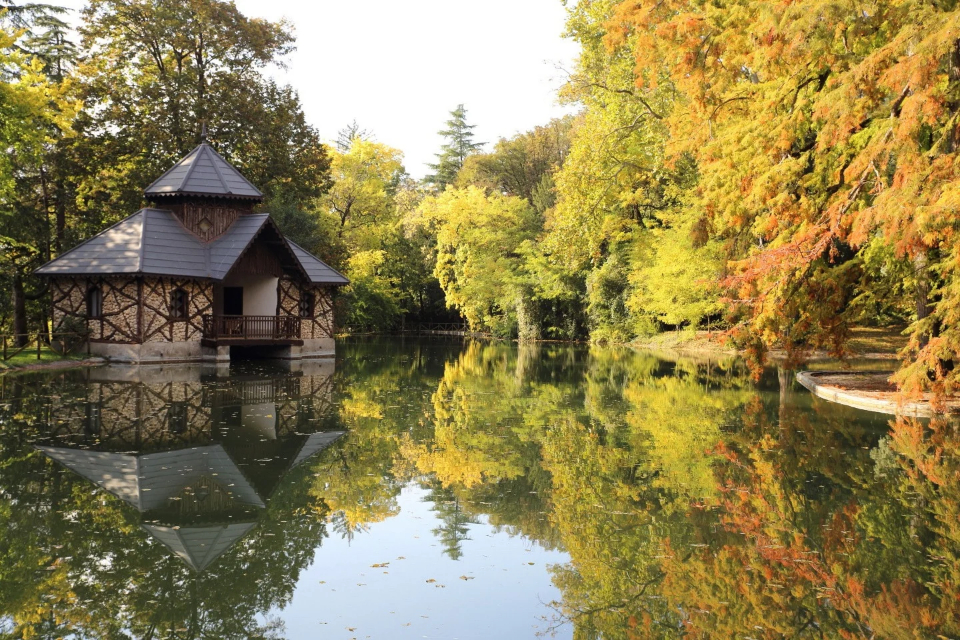
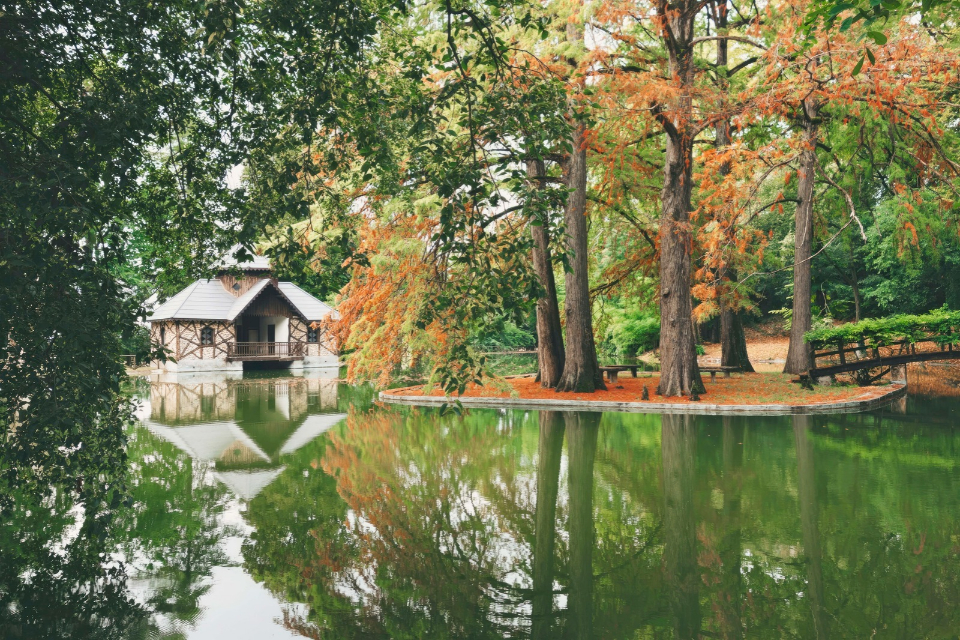
- Villa Mosconi Bertani offers a suggestive landscape with its pond and the Kaffeehaus, symbol of the historic wine estate.
- After fourteen years of asset division, brothers Giovanni and Guglielmo Bertani return to the scene with Tenuta Santa Maria.
- The division led to the sale of Cantine Bertani, while father Gaetano retained the agricultural properties, continuing to produce high-quality wine.
- Wines such as Amarone Classico Riserva and Recioto della Valpolicella achieve the highest scores in the tasting: true beacons for local producers.
- The estate attracts over 15,000 annual visitors, with tours and tastings that can culminate in a sampling of Acinaticum 1928.
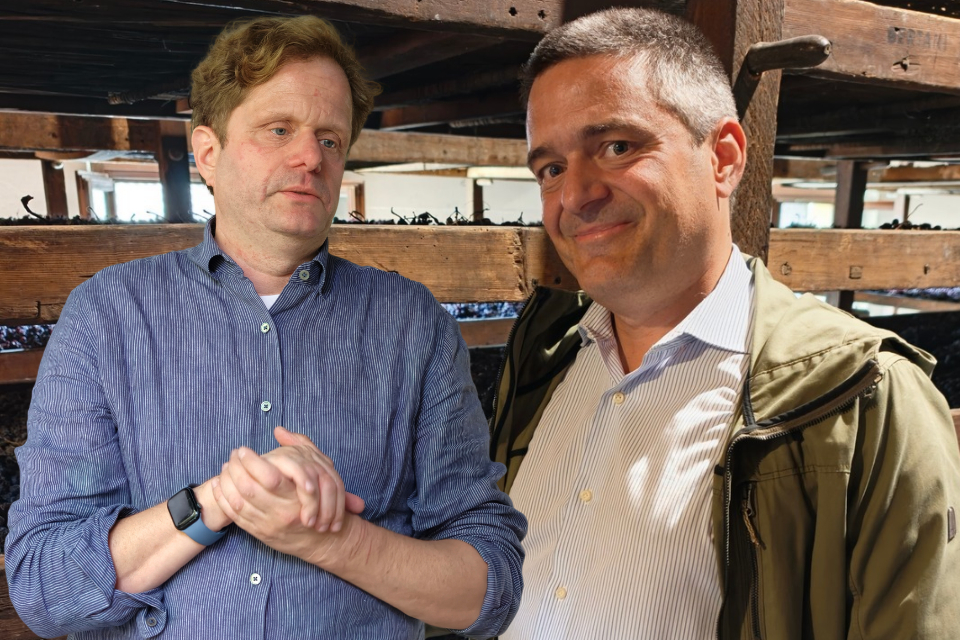
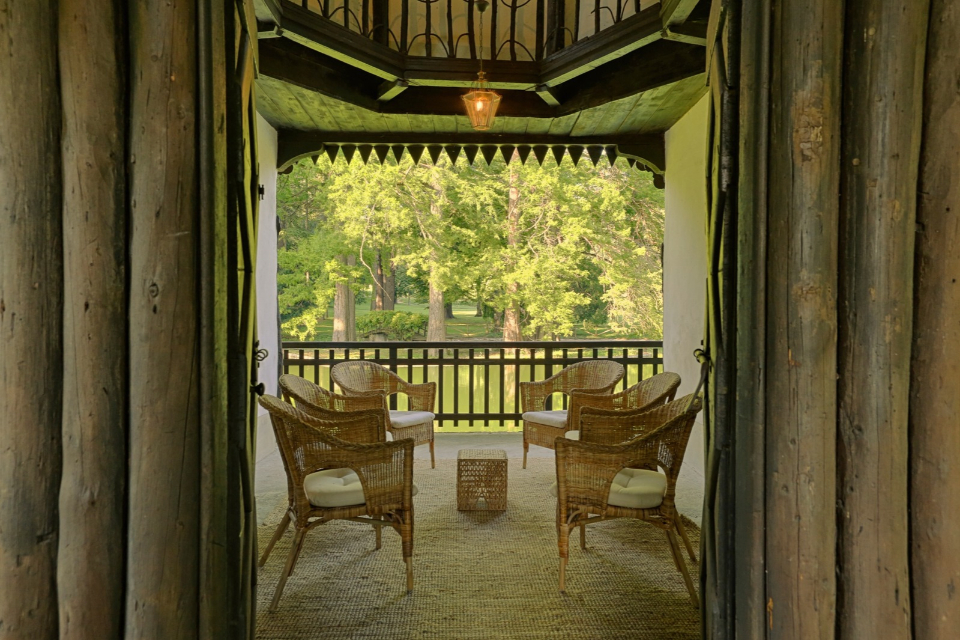
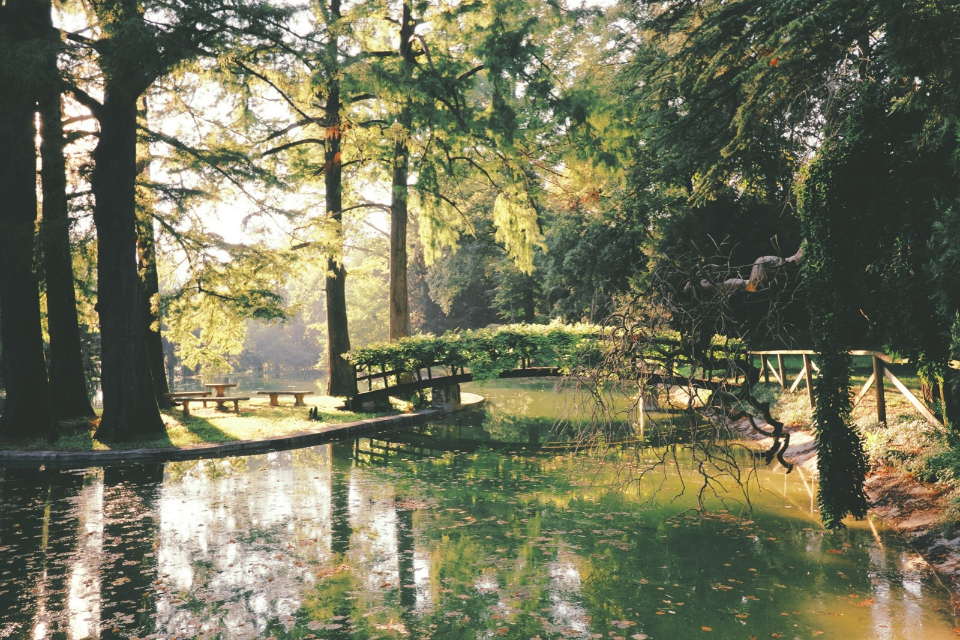
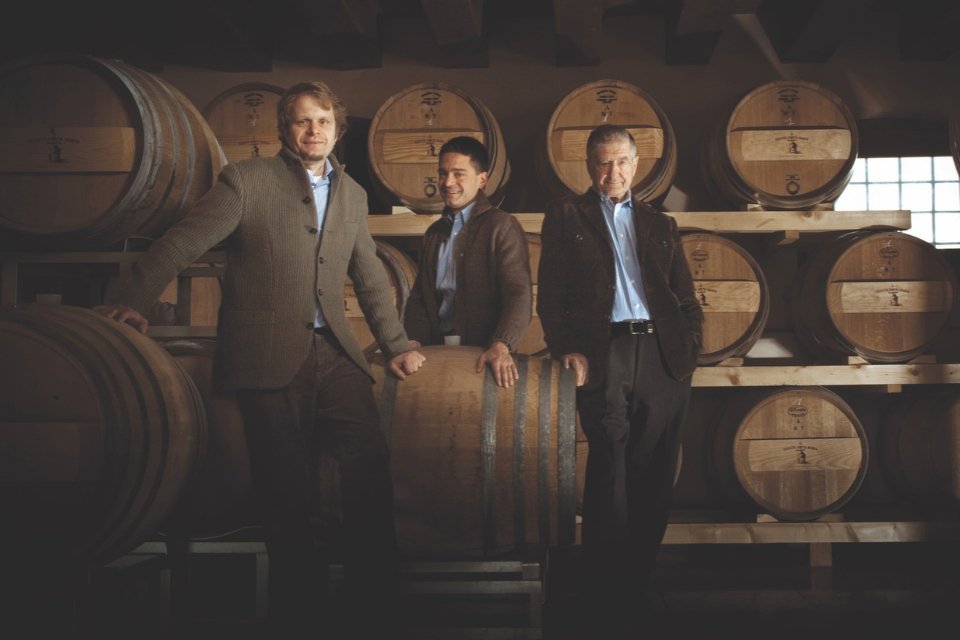
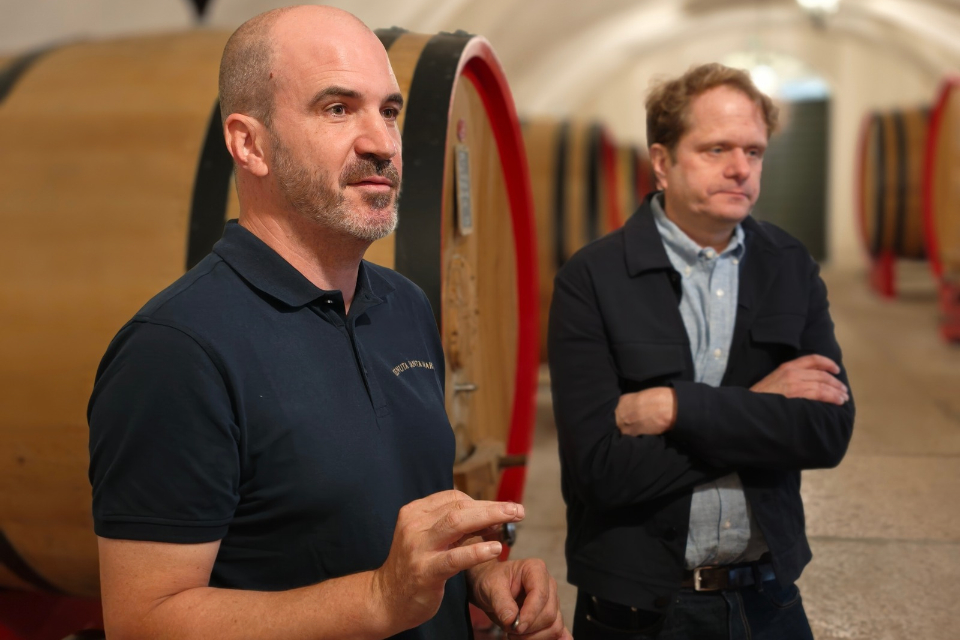
At the pond of Villa Mosconi Bertani, the Kaffeehaus emerges among the trees and is reflected in the water. The foliage, the walkway, and the small pavilion compose a still scene, where time seems to crystallize with every glance. Like a painting hanging from the clouds. Yet, all around, the air is crisp. In motion. We are in Arbizzano, a hamlet of Negrar di Valpolicella where brothers Giovanni and Guglielmo Bertani carry forward the spring of the viticultural project started together with their father Gaetano: Tenuta Santa Maria.
Winter, though industrious, was not short-lived in these parts. Fourteen years have passed since the division of the Bertani family assets. Only today has the latest generation decided to decisively re-emerge into the world. Showing themselves to notebooks and cameras after a slow and thoughtful digestion of the events that disrupted the structure of one of the historic families of Valpolicella.
THE BERTANIS BETWEEN SALE, DIVERGENCES, AND SEPARATION
The sale of Cantine Bertani represents the culmination of a complex corporate story. Founded in the nineteenth century by brothers Giovan Battista and Gaetano Bertani, the winery spanned generations and involved various family branches. In 2011, during negotiations with the Angelini group, the ownership structure—composed of multiple companies and holdings—made negotiations complex. Gaetano Bertani, namesake great-grandson of the founder, did not join the sale. And he maintained his 30% stake.
The agreement on the division of assets arrived in September 2012. The Cantine Bertani brand passed to Tenimenti Angelini. Gaetano and his sons Giovanni and Guglielmo reunited the assets remaining to the family in the new Agricola Gaetano Bertani e Figli. The perimeter included vineyards in Valpolicella Classica, Villa Mosconi, and other properties, along with the estate in Val d’Illasi.
The separation redrew the Bertani presence in the territory and opened an autonomous phase for Gaetano’s branch. The choice to preserve the agricultural properties and continue producing became the starting point for a structure more focused on vineyards and high-end wines. A path that Tenuta Santa Maria was already preparing in the nineties, when Gaetano launched his personal project.

FROM NINETEENTH-CENTURY TRADE ROUTES TO AMARONE
The Bertani family looked beyond Veronese borders when Italian wine exports were taking their first steps. In the 1850s, Giovan Battista and Gaetano Bertani helped bring the area’s wines to the markets of England, Germany, and the United States. The company’s history also links their work to the spread of Soave, Ripasso, and appassimento wines. Subsequent generations experimented with longer aging on Recioto, contributing to the evolution of the red that became Amarone.
Gaetano Bertani grew up within this history and worked for decades in the family winery. In the nineties, he gave shape to Tenuta Santa Maria as his own enterprise. Research shifted to the vineyard: parcel selection, planting density, study of varieties, and attention to grape ripening. When Gaetano died in 2020, his sons Giovanni and Guglielmo were already directly involved in the project.
ARBIZZANO: THE BROLO, THE PARK, AND THE WINERY
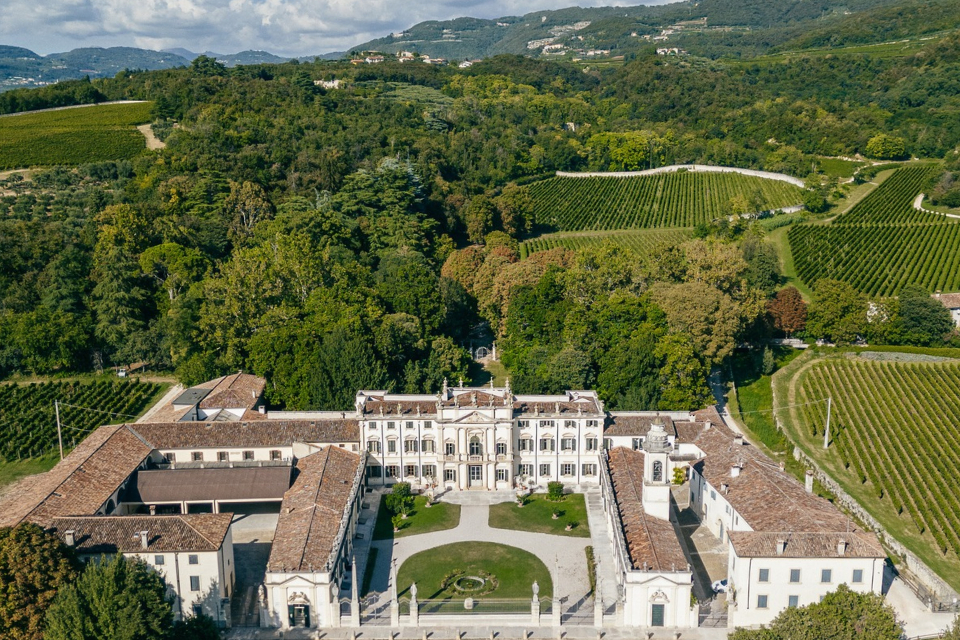
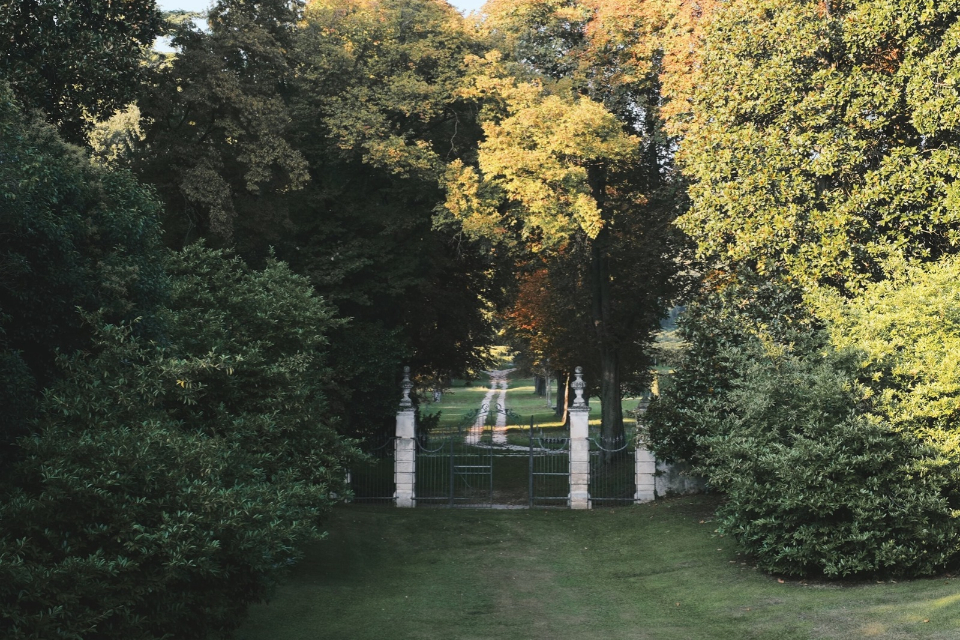
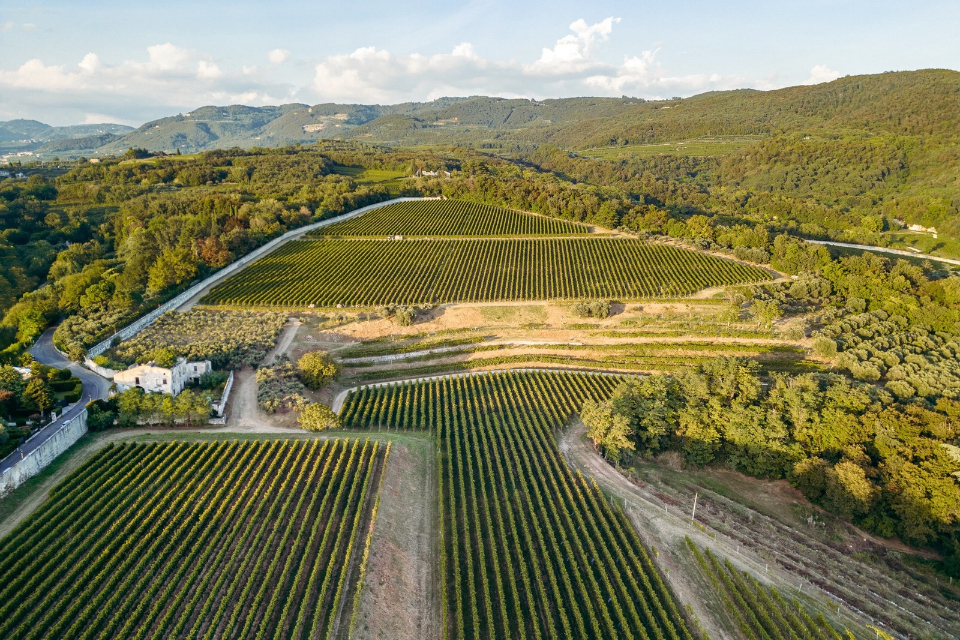
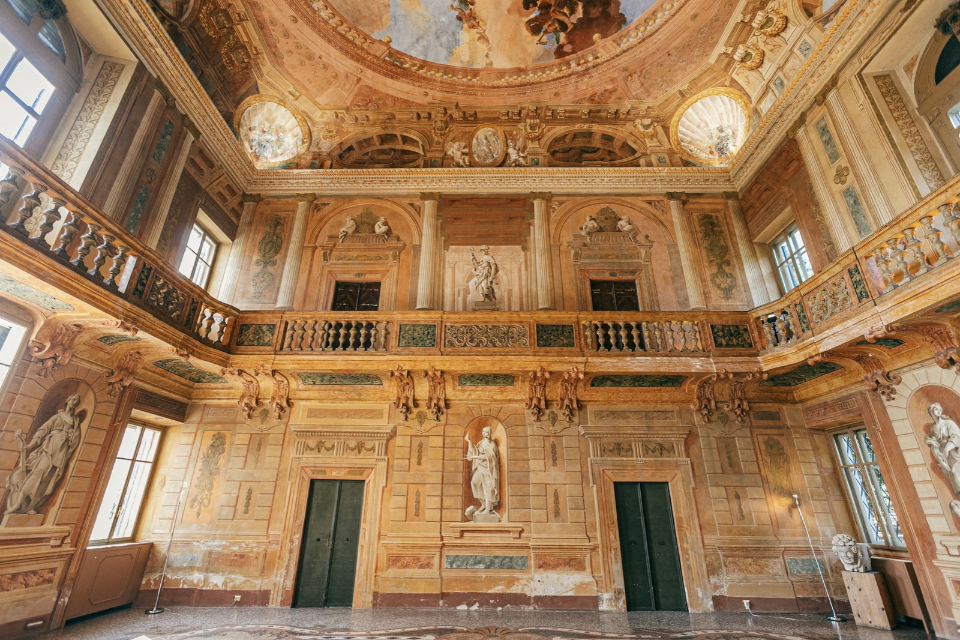
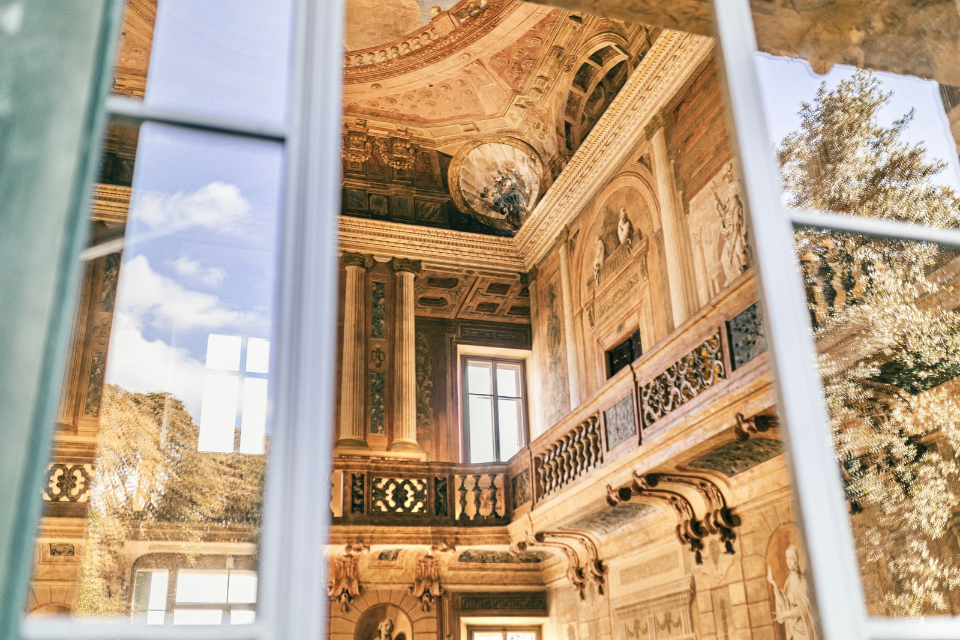
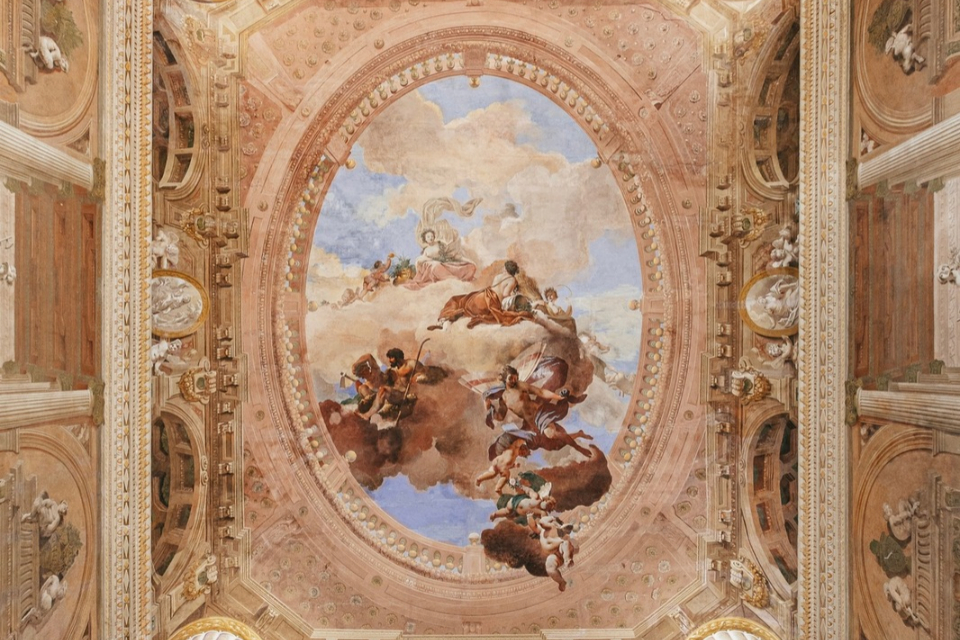
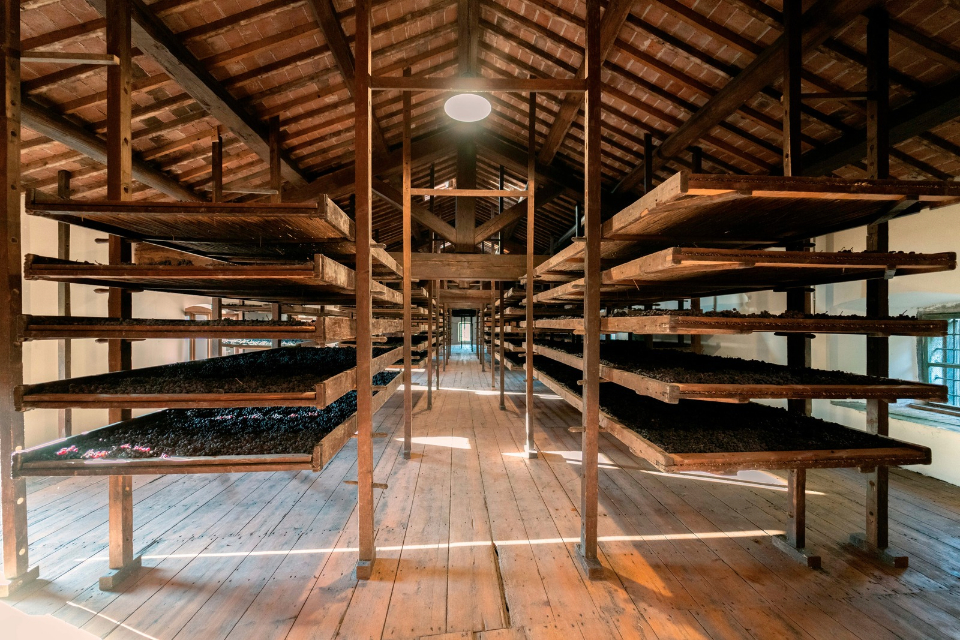
In Arbizzano di Negrar, the walled brolo brings together vineyards, drying lofts, and the winery. Inside, 14 hectares of vines coexist with a portion of woodland and a system of stone springs and channels that feeds the pond. The eighteenth-century villa, the frescoed Hall of the Muses, and the romantic park represent another layer of an enchanting place. Not surprisingly, in the eighteenth century, the property welcomed the poet Ippolito Pindemonte, who dedicated verses to these hills.
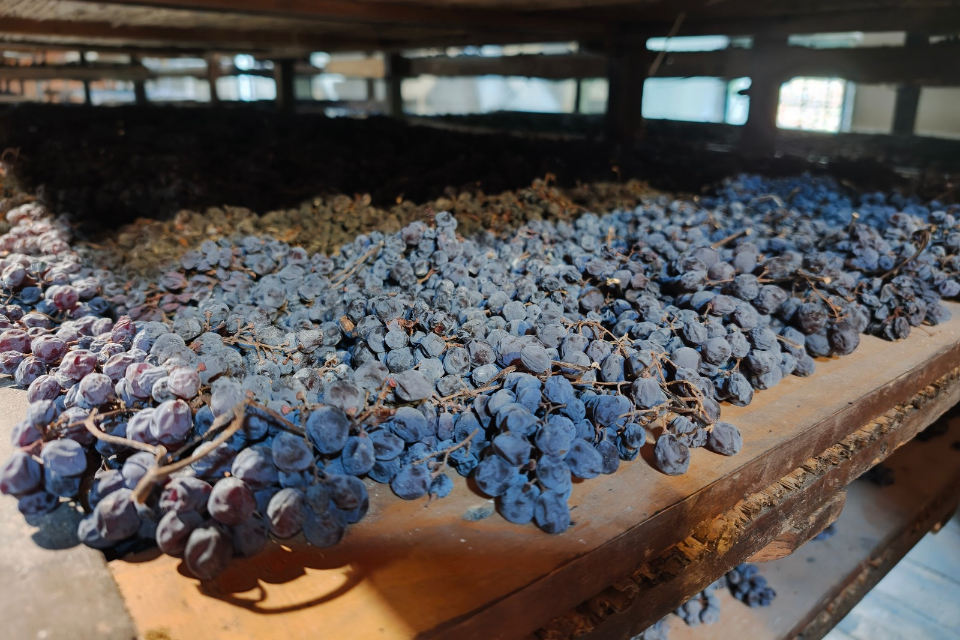
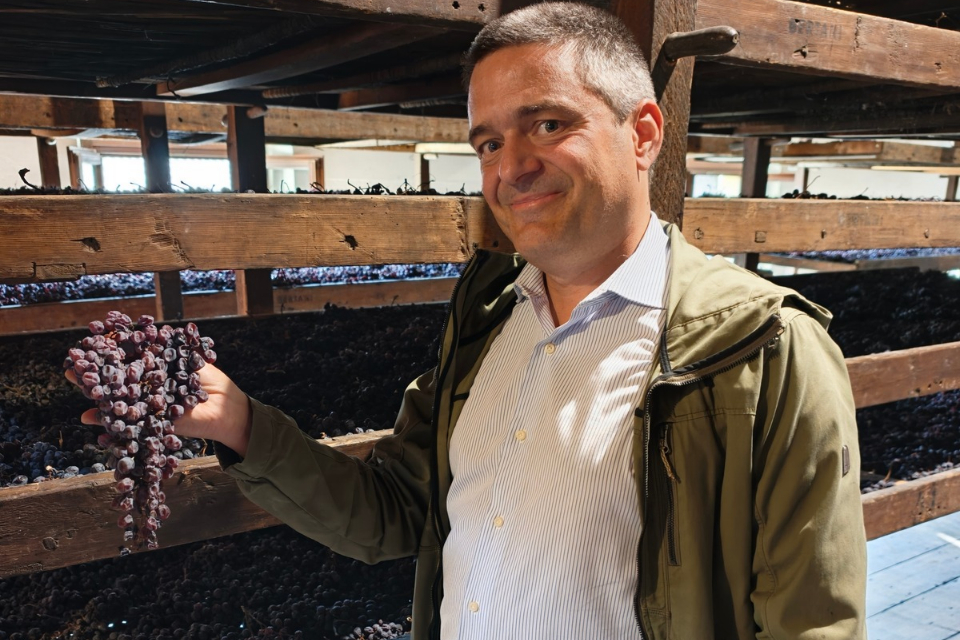
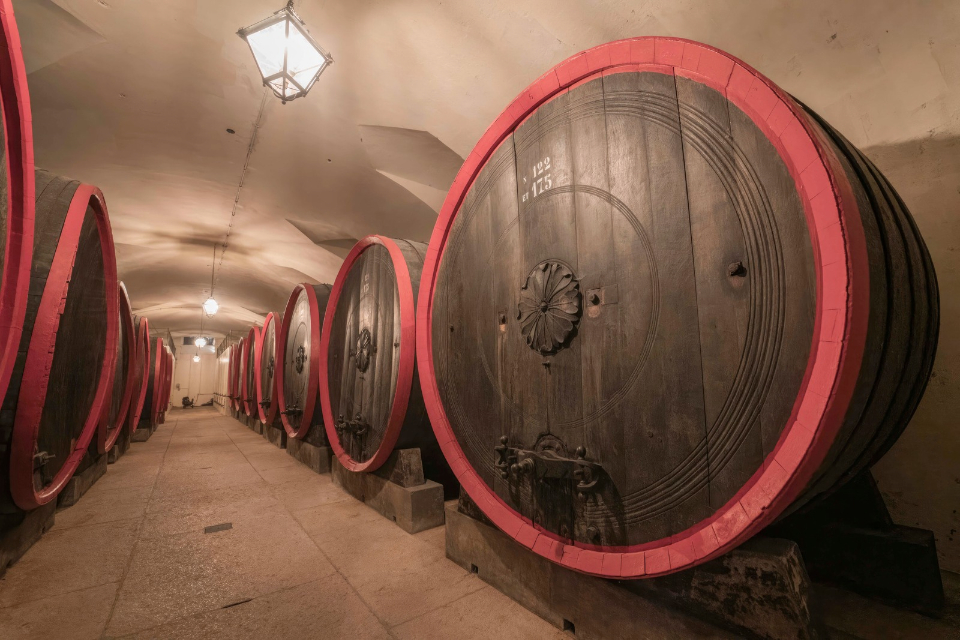
In the highest vineyard lies the Brolo dei Poeti, a selection from which an Amarone produced only in exceptional vintages is born. The grapes—the result of vineyards subject to a massal selection project—are harvested by hand and dry for about three months on ‘arele’ (bamboo racks). Time then returns to the cellar. The Amarone Classico Riserva ages for 66 months in large casks; and the Brolo dei Poeti remains for fourteen years in Slavonian oak barrels before blending in concrete and further rest in the bottle.
But the work of brothers Giovanni and Guglielmo Bertani also proceeds in other directions. In Val d’Illasi, specifically in Colognola ai Colli, Garganega is the basis for Soave production alongside Chardonnay, Merlot, and Syrah. In Valpantena, at about 350-400 meters above sea level, a viticultural project is taking shape that interfaces with the one in Valpolicella Classica.
- Harvest in Valpolicella, Corvina picking two weeks early
- Rubinì, Rubinelli Vajol’s hymn to the freshness of Valpolicella
- The Total Valpolicella Experience by Buglioni: Nightlife at Mona and Bugiardo, then Resting Among the Vineyards at Dimora
- Valpolicella: what will the 2026 Amarone be like? Tedeschi reveals it
- Christian Marchesini confirmed as president of the Valpolicella Wine Protection Consortium until 2028
TENUTA SANTA MARIA BERTANI: FROM GARGANEGA TO AMARONE
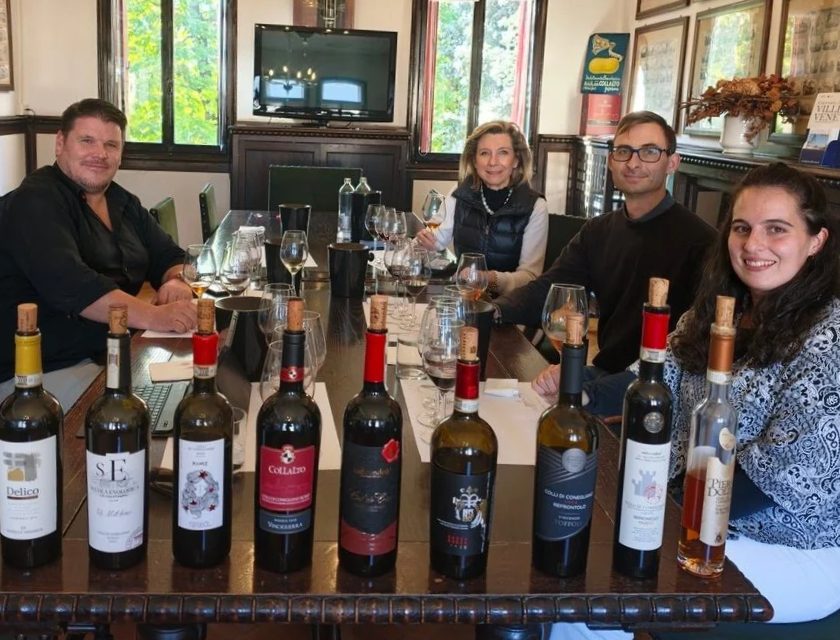
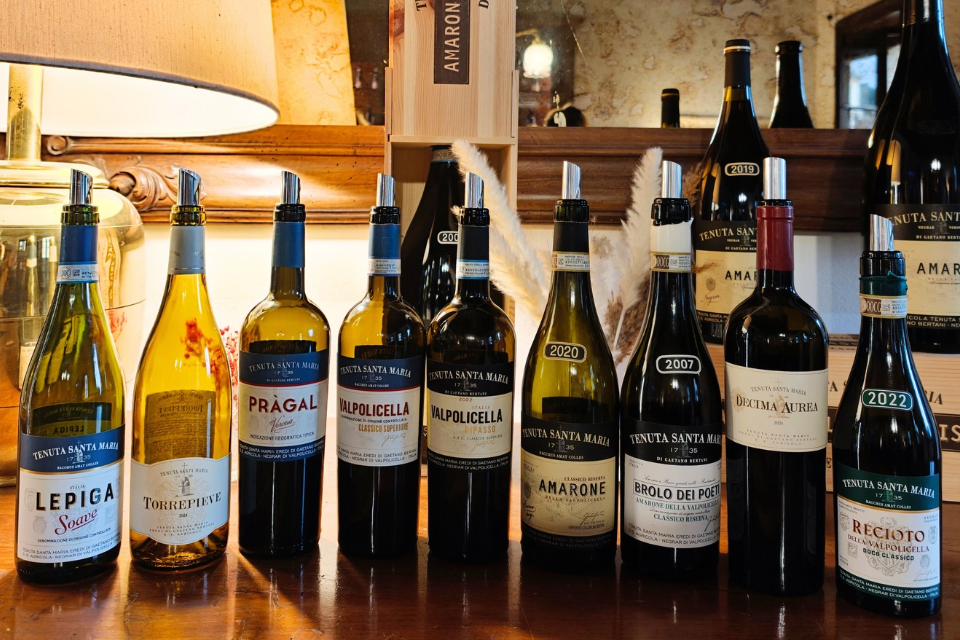
The tasting of the Estate’s wines highlights a common thread: the search for freshness and definition, even in the more structured labels. The company’s imprint is the work of winemaker Stefano Gabrieli and consultant Luca Rettondini. Among the whites, the Lepiga Soave Doc 2025—100% Garganega—reaches 91/100. Flowers, citrus, and bitter almond accompany a sapid sip, supported by the creaminess of six months on the fine lees in steel.
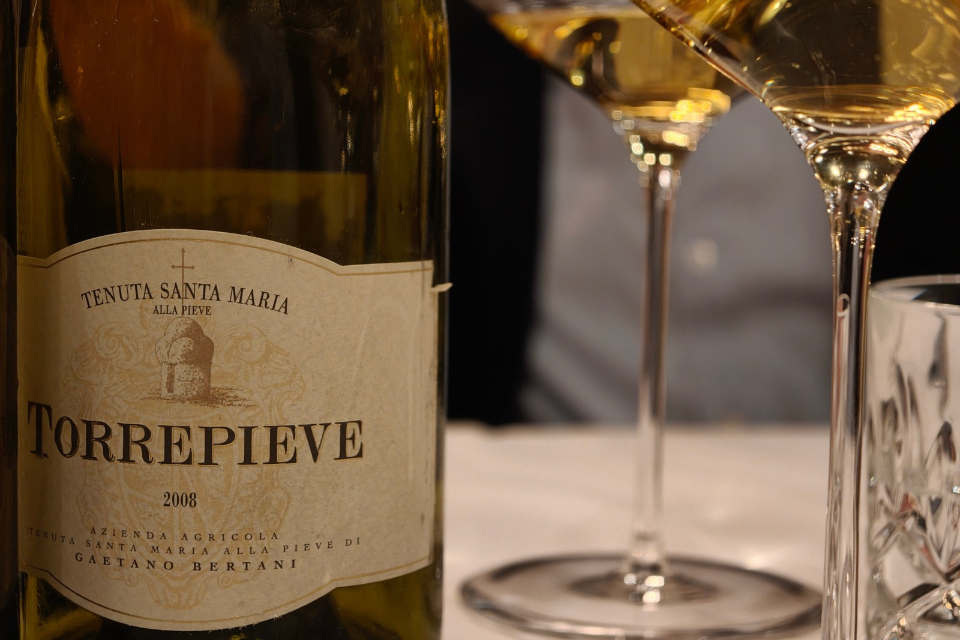
Then there is Torre Pieve Chardonnay Igt 2024 (92/100): half of the wine passes through 300-liter barriques; lemon curd, peach, and pineapple emerge in the glass, with a citrus finish and a taut phenolic texture. A wine that proves suitable for long aging, thanks to the excellent performance of the 2008 vintage (95/100).
The Valpolicella Classico Superior 2024 (93/100) offers a clear reading of the denomination: a beacon toward which the entire territory should strive. Having decided not to produce a “basic” Valpolicella, it is preceded in the Tenuta Santa Maria range only by Pràgal Rosso Verona Igt 2024 (89/100), an entry-level wine generously built on Corvina, Merlot, and Syrah. The Ripasso Classico Superiore 2022 (94/100) convinces with ripe plum and cherry leading the profile, with well-calibrated and evolving tannins.
BROLO DEI POETI AMARONE CLASSICO RISERVA 2007: 97/100
The Amarone della Valpolicella Classico Riserva Docg 2020 reaches 95/100. Spices, ripe fruit, and fine tannins move within a fresh structure, with residual sugar below three grams per liter. The Brolo dei Poeti Amarone Classico Riserva Doc 2007 is a gem (97/100). The color bears the mark of evolution, while the tannin retains grip and support. The wine was born from Gaetano Bertani’s project, seeking an expression capable of surprising even those who know Amarone.
The Decima Aurea Merlot Igt 2020 (92/100) changes register: open fruit, sharper tannins, and a great prospect for evolution still ahead. Closing the tasting is the Recioto della Valpolicella Docg 2022 (97/100). Another great beacon for producers in the area, with about 100 grams of residual sugar and a production of 1,500–2,000 bottles. It shines for the balance between flesh, pleasure, and tension, as only the great wines of the denomination do.
VILLA MOSCONI: VISITS AND TASTINGS AT THE TENUTA SANTA MARIA
The estate also works on visits, welcoming even large groups of industry professionals and winelovers. The itineraries pass through the villa, vineyards, brolo, drying lofts, and cellars, with tastings dedicated to the different properties and historic vintages. Every year, over 15,000 guests arrive from all over the world. Among the tastings offered is Acinaticum 1928, a wine from the family reserve bottled in 1938 and kept in the private collection.
The bottle, sold for just over 5,000 euros, tells of a crucial passage for local history: dried grapes, a dry wine of great structure, and an ancient name linked to Recioto. Today, while the pond preserves the reflection of the Kaffeehaus, the last bottles of that harvest rest in the cellar led by Giovanni and Guglielmo Bertani. Rare gems of a spring that has now blossomed.