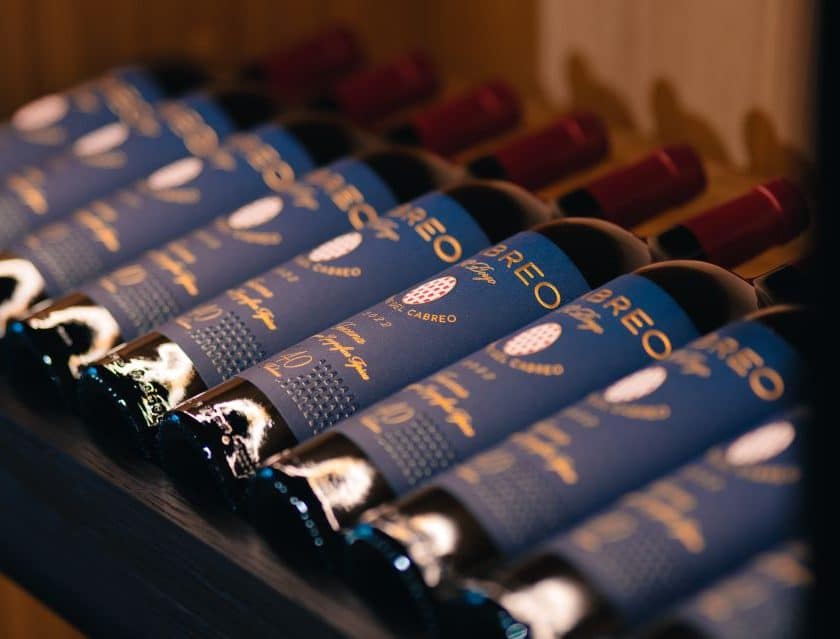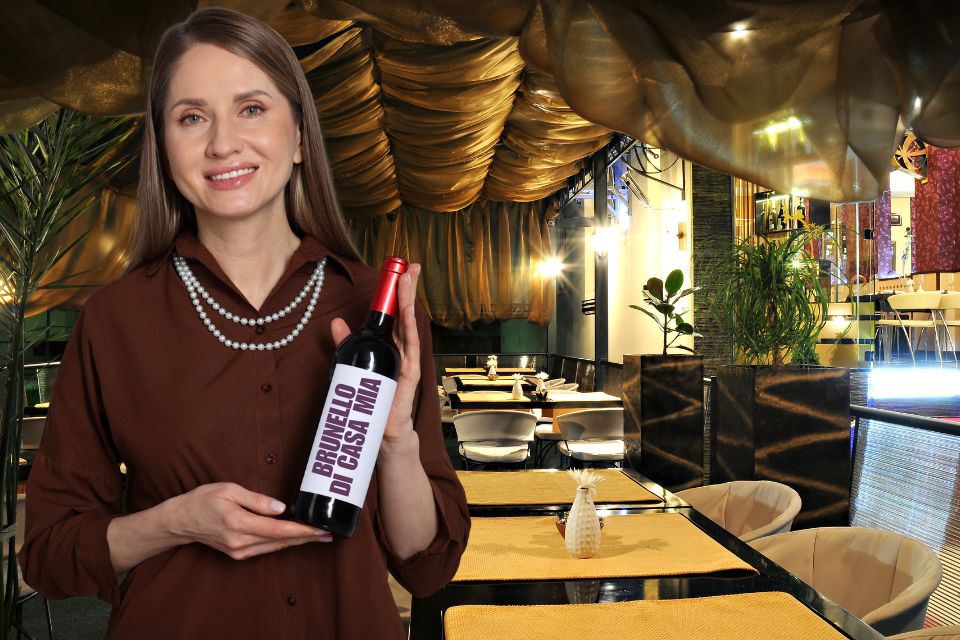
For some time now, the message coming from restaurants has been clear, even if rarely stated: wine has become a problem. Not an asset. Not an identity element. Rather, an inconvenient item. Costs. Storage. Tied-up capital. Staff to train (at best). Customers increasingly wary or misinformed by the natural wine “expert” cousin, who only drinks sulfite-free and Pét-Nat. The result is plain to see. Wine lists increasingly thin, often lazy. Sometimes embarrassing, compared to the good level of the cuisine. A question lingers without ever being truly addressed: if wine weighs so heavily, why do some restaurateurs continue to pretend otherwise?
WINE LISTS CUT TO THE BONE “BECAUSE PEOPLE DON’T DRINK ANYMORE”
In recent years, many wine lists have been simplified, to the point of subtraction. Few labels. Cautious choices. Only reassuring names. Translation: less risk. Less tied-up capital. Less time devoted to storytelling. A choice understandable in some ways, especially in an unstable economic context.
But the problem isn’t the reduction itself: it’s the absence of a project and a connection between cuisine and wine. Cutting wine lists instead of rethinking the model means giving up a fundamental part of the gastronomic experience. Leaving wine in a gray area. Between obligation and annoyance.
SKY-HIGH WINE MARKUPS AT RESTAURANTS
Then there’s the pricing issue. High markups, often calculated automatically (x3, x4), that turn the bottle into a food deterrent. Customers react in various ways. They drink less. They choose by the glass, among those four remaining affordable wines. Or they give up entirely.
In this scenario, corkage fees continue to be seen as a threat, when they could become a solution. Not a free-for-all or a way for the kitchen to disengage from its role in accompanying wine. But a regulated, transparent tool. Capable of bringing wine back to center stage without placing the entire burden on the restaurateur.
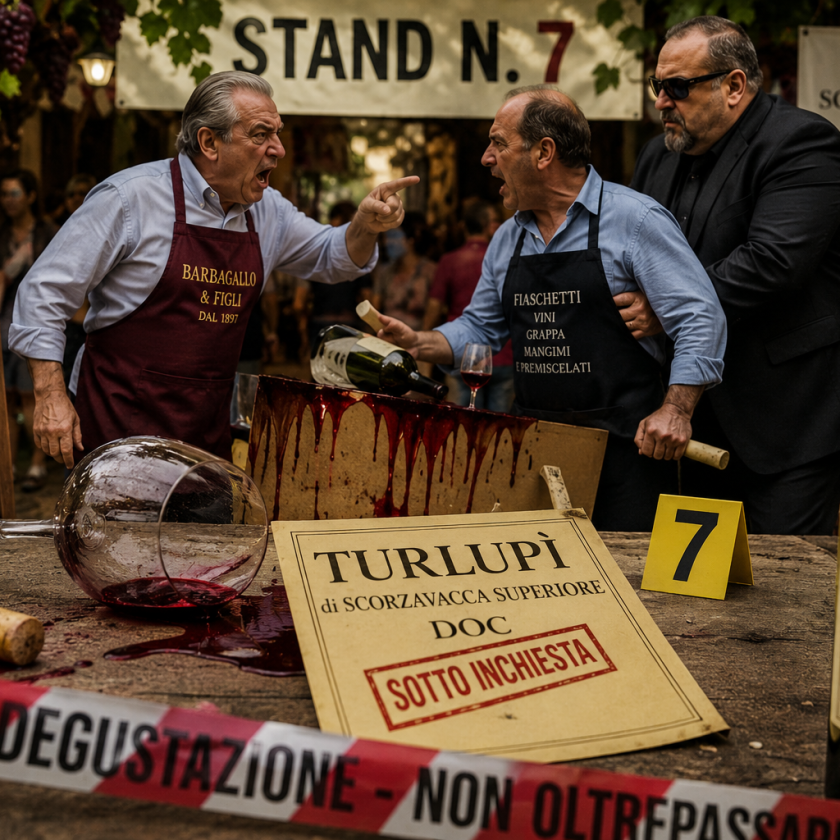
When the DOC ends up at the police station
There is a moment in the life of every wine denomination when it must choose what to be when it grows up. An identity-driven wine. A territorial symbol. An agricultural flagship. Or a legal file. Until recently, Turlupì di Scorzavacca Superiore was a fragrant, spicy,…
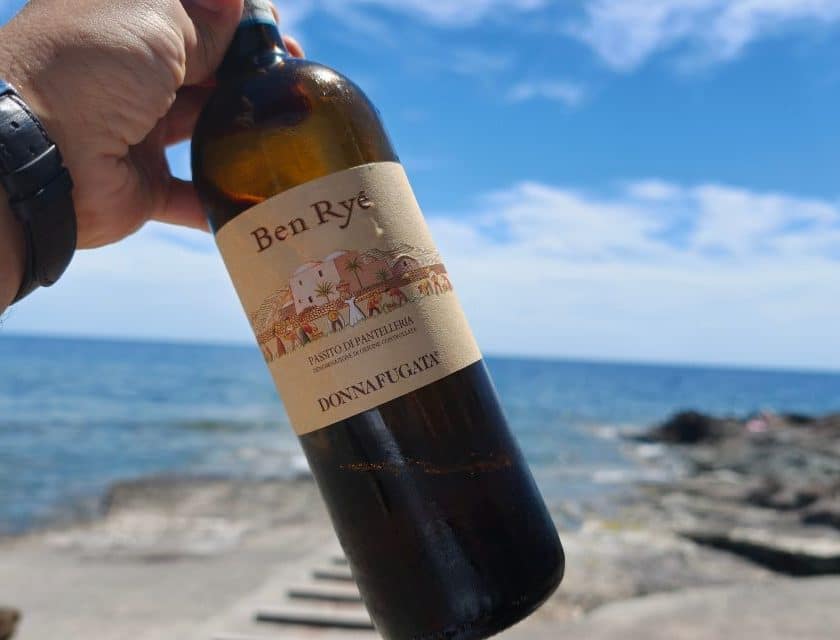
I had dinner with two vintages of Ben Ryé Donnafugata without pairing them with dessert
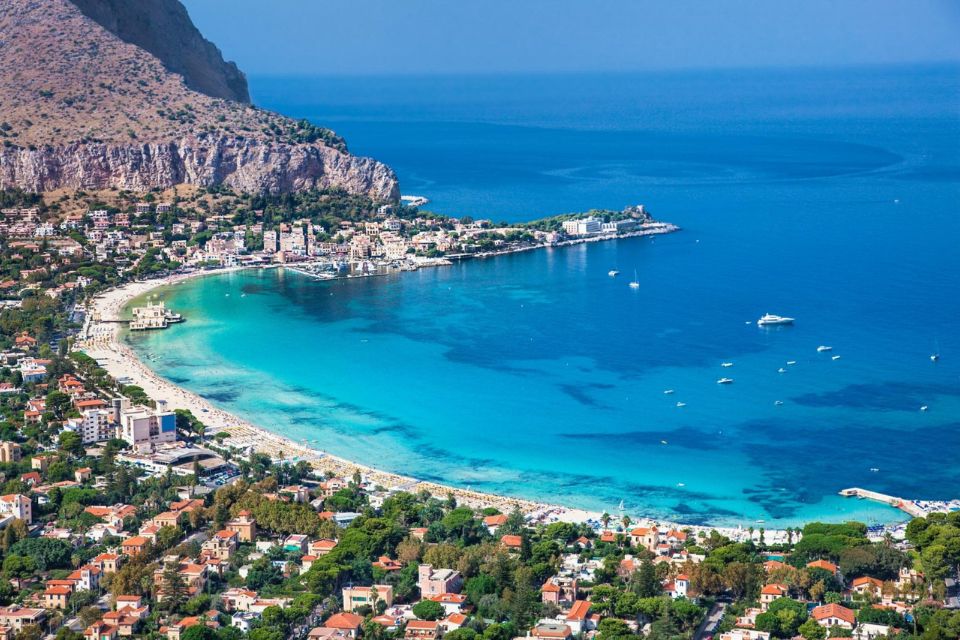
Sicily en Primeur 2026, a “mini Vinitaly”: betting on wine tourism
IN BREVE Sicily en Primeur 2026 positions itself as a “mini Vinitaly” of wine tourism, emphasizing wine, territories, and hospitality. The event shifts focus from simply tasting new vintages to an integrated experience that combines wine and Sicilian culture. The wine tourism report presented at…
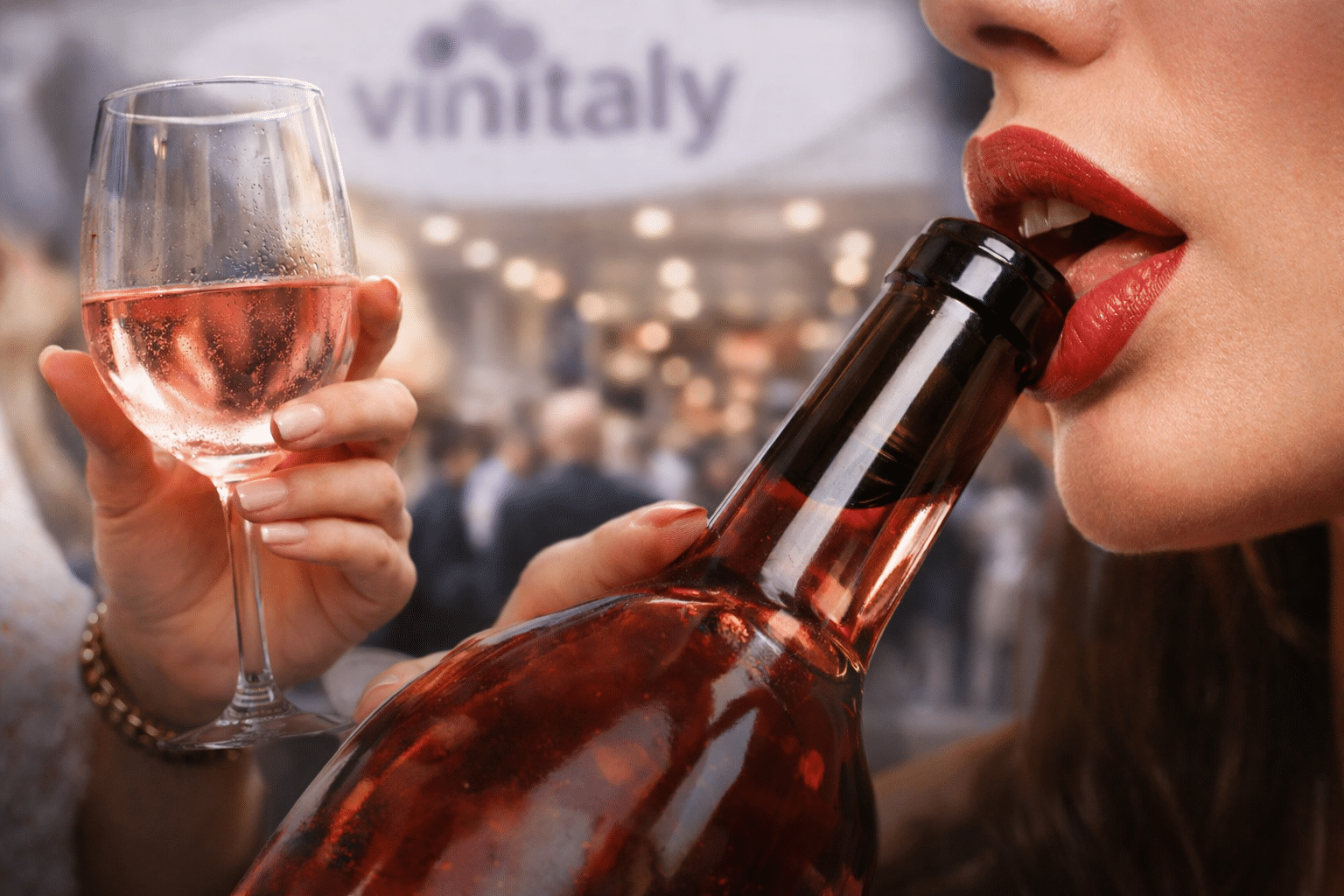
How good this Schioppettino rosé is: “It makes you want to put it in your mouth”
“Schioppettino Rosé, we are the only ones making it in this territory. A very Provençal French style. Aesthetically fascinating and striking. It makes you want to drink it and put it in your mouth.” Sexualization and wine: the winery’s reel for Vinitaly 2026 reopens the…
Primitivo di Manduria Rosato: Is the “new DOC” stealing market share or creating it?
Primitivo di Manduria Rosato. Not a new DOC, but a new category that the Puglia wine protection Consortium has asked the ministry to introduce. A minor revolution for one of Italy’s most exported red wines, especially in the medium-low price bracket. On paper, the idea…

Cracco, a half-glass of wine is a half-baked idea. When do we get the half-plate?
In an interview with Corriere della Sera on the occasion of Vinitaly 2026, the renowned Italian chef Carlo Cracco hits the nail on the head regarding a real issue: wine consumption is shrinking, prices are heavy, and wine must be made more accessible. Hence the…

Riesling Italico, Oltrepò Pavese believe in it! Time for redemption at Grow du Monde
IN BREVE The Grow du Monde competition is an opportunity for Oltrepò Pavese wineries to promote Riesling Italico, an exclusive event dedicated to this variety. Despite its potential, Riesling Italico is undervalued in Italy and often confused with Rhine Riesling. The inability to mention it…

Dear producers, don’t compliment young wine journalists
There is a moment, in certain professional circles, when time stops being just a unit of measurement and becomes a problem. Not for those moving forward, but for those standing still. A dinner between wine producers and journalists of different ages can thus turn into…
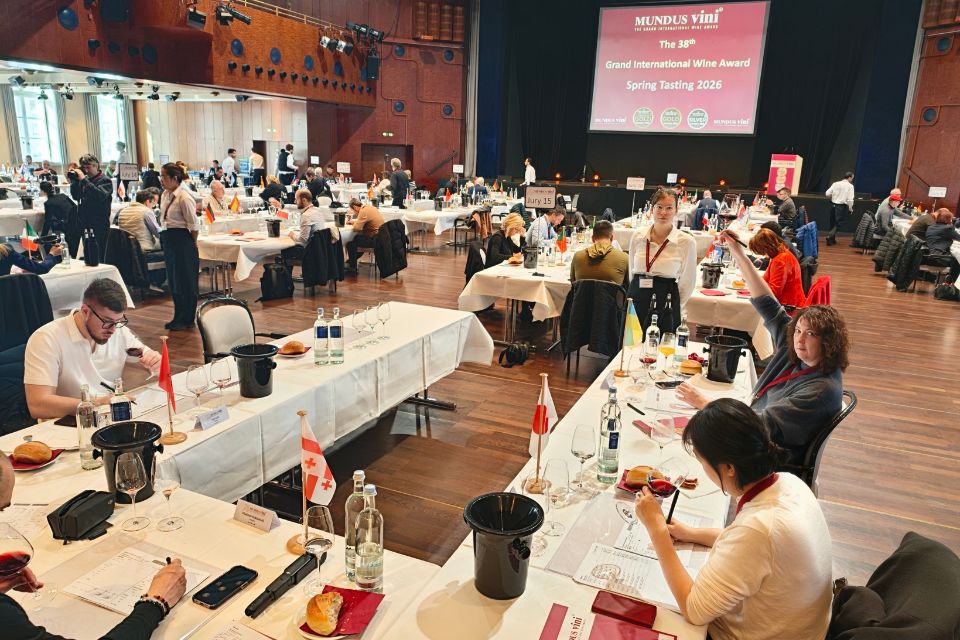
56 dealcoholized wines blind tasted: prejudices, reality and quality at Mundus Vini
IN BREVE The dealcoholized wine tasting at Mundus Vini 2026 highlighted a sector in evolution but with variable quality. White wines achieved better scores than reds, with aromatic varieties showing better results after dealcoholization. Dealcoholized wines require structural balance, but the absence of alcohol often…
CORKAGE FEE AS A MODEL, NOT AN EXCEPTION
Accepting that a customer brings their own bottle, paying a fair contribution for service and glassware, doesn’t mean devaluing the restaurant’s work. On the contrary: it means recognizing that wine can also be experienced outside a purely commercial logic. Or, better yet, wine brought by the customer can be a driver for choosing one dish over another, or an extra course, in a well-constructed menu.
In many countries it’s established practice. In Italy it remains a taboo, often more cultural than economic. Yet it could lighten cellars, reduce pricing tensions and stimulate a more mature relationship with drinkers.
LESS EGO, MORE OPEN-MINDEDNESS
Perhaps that’s precisely the point. There’s no need to have a hundred labels if they’re not being discussed or sold. Better a few conscious choices, a curated by-the-glass offering. And regulated freedom, for the customer, to bring wine from home.
With corkage fees, the restaurant doesn’t lose centrality: it changes role. From seller to facilitator. From intermediary to protagonist of the meeting place. If wine today is perceived as a burden, ignoring it won’t make it lighter. Rethinking its place, however, will.