IN BREVE
- Hu Zhijian, known as “Roby”, sushi chef at Sushi Mio Abbiategrasso, arrived in Italy in 2007, facing challenges related to immigration and the language barrier.
- Sushi Mio is a family-run restaurant that combines tradition and quality, offering fresh sushi dishes prepared with high-quality ingredients.
- Hu has kept the same prices for ten years, promoting democratic access to his sushi despite rising costs.
- The restaurant has a loyal customer base mainly composed of Italians, with whom he has built relationships of trust and community.
- Roby is currently waiting for a response on his Italian citizenship: a testament to his strong bond with Italy and its culture.
“My name is Hu Zhijian, I am 42 years old and I come from Fujian, specifically from Wuyishan. I arrived in Italy in 2007, after finishing my studies in China. My father had already been here for many years and then my whole family moved to Italy.” It was necessary to translate the questions from Italian to Chinese to communicate with “Roby”, the sushi chef at Sushi Mio who, with his dishes—and his contagious smile—is winning everyone over in Abbiategrasso. The quality and freshness of the ingredients, combined with an extraordinary savoir-faire, are much more than what one might expect so far from the busy streets of Milan.
SUSHI MIO: EXTRAORDINARY QUALITY IN THE PROVINCE OF MILAN
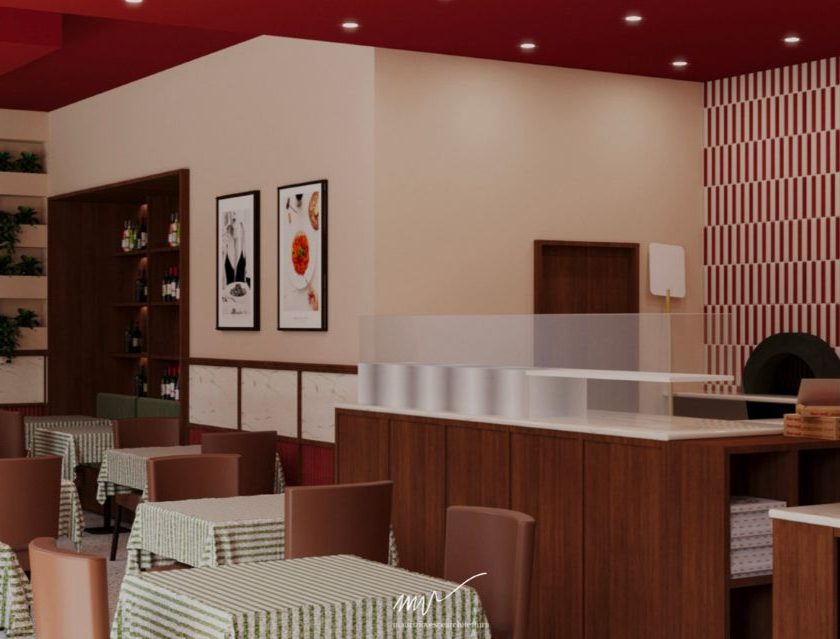
From the outside, this small restaurant in the province of Milan with about twenty seats says little to nothing extraordinary. The magic is inside. With Hu Zhijian “Roby” at the sushi station and his parents in the back, to cook hot dishes, also intended for delivery. A Chinese family that has surrounded itself with capable local young people, busy with the cash register, home sushi delivery, and—occasionally—some useful translation to ensure orders are correct.
The beginning of Hu Zhijian’s Italian life was not easy. Like many immigrants who arrived in the 2000s, he found himself catapulted and swallowed up by a system he didn’t know. Language, laws, rights. “For four years I worked twelve hours a day, seven days a week,” he says. The salary? “600 euros a month. I didn’t understand Italian and I didn’t know Italian laws. It was very difficult.” At that pace, without protections and without breaks, depression also set in.
Work always remained the only constant. First at the bar of a Japanese restaurant: “Then, having noticed my dedication, they put me in the kitchen.” That’s where his journey into the world of sushi began, under the guidance of a Japanese master in a place near Milan’s Duomo. Hu does not have an academic background as a chef. He learned everything in Italy, on the job. “I’ve been doing this job for almost twenty years,” he recalls. “I learn quickly and in this field mi sento una specie di mago: from the beginning, I only had to look at something once to understand how to do it.”
«I CLIENTI di sushi mio? SONO come AMICI»
Over the years he worked in many cities in the Milan hinterland, da Corbetta a Magenta, spostandosi continuamente. Not by choice, but by necessity. “If you stop, the immigration office won’t renew your work permit the following year,” he explains. “Essendo straniero devi lavorare senza sosta, come una macchina“. Twelve years like that, 365 days a year, or thereabouts. Before finally being able to buy a business of his own.
Dal 2018 Hu è alla guida di Sushi Mio, in via Magenta 2/4 ad Abbiategrasso. The name remained that of the previous owner. But the soul of the place is entirely his. “When I arrived here I already had a network of loyal customers,” Roby explains, “built over years of working in neighboring towns.” Today, ten years after his arrival in the city in the province of Milan, that bond has become something deeper. “I miei clienti sono tutti italiani: poliziotti, insegnanti, medici, dipendenti del Comune. Ovunque vada, incontro qualcuno che mi conosce. E questo mi fa felice.” Many are long-time customers, “friends by now.”
“Many of my older customers have passed away,” he says sadly. “When their families tell me, I feel bad. Prego per loro.” A relationship that goes beyond the plate of sushi served or delivered to the home. That returns l’immagine di una ristorazione di prossimità. Made of daily relationships and shared memory.


the best SUSHI in ABBIATEGRASSO
The cucina di Sushi Mio Abbiategrasso is explicitly traditional. Hu doesn’t like forced combinations or passing fads. Prices have remained unchanged for ten years, a conscious choice that today weighs more than ever on the restaurant’s accounts. “Ogni due anni aggiungo nuovi piatti, but I have never increased the prices,” he explains. “Voglio che tutti possano permettersi il mio sushi.” A principle that coexists with a very clear idea of quality. “Food is sacred. If the quality isn’t good, it’s a crime.”
The materie prime come exclusively from large, organized suppliers, with direct delivery and a catena del freddo garantita. “Small businesses like ours can’t buy fish without refrigerated vans,” he clarifies. Food safety is non-negotiable, as is listening to the customer.
“We are a service. Qualunque richiesta abbiano i clienti, cerchiamo di soddisfarla.” An approach that over the years has consolidated trust and made the restaurant a landmark, also thanks to a pioneering choice for the area: Sushi Mio was the first restaurant in Abbiategrasso to introduce a home delivery service, “when very few pizzerias were even doing it.”
DALLA CINA ALLA PROVINCIA DI MILANO: “I WOULD GO TO WAR FOR ITALY”
In recent years, however, the context has changed. I consumi sono calati sensibilmente, soprattutto dopo l’inizio della guerra tra Russia e Ucraina. “Gas and electricity have gone up, everything costs more,” Hu observes. “Italians are struggling.” The tax burden completes the picture. “Out of ten euros of sushi, after taxes and raw material costs, I’m left with two euros. VAT is too high. It’s hard to keep going like this.” Despite everything, Hu continua a non ritoccare i prezzi. An ethical choice, even before a commercial one.
However, the relationship with Italy remains central. Hu applied for Italian citizenship two years ago and is still waiting for a response. “Everything is very slow,” he says. Yet the sense of belonging is already clear. “Se ci fosse una guerra, sarei disposto a combattere per l’Italia.” A strong statement that explains better than many analyses what it means for those who come from afar to build a life through work.
When asked for advice for those who want to open a restaurant today, Hu doesn’t talk about formats or strategies. “You have to go slow,” he says, “don’t be in a hurry. Respect professional ethics and don’t overdo it. Because fare ristorazione significa avere a che fare con la salute delle persone.” Measured words, spoken with the same care he puts into the dishes at Sushi Mio Abbiategrasso every day.