IN BREVE
- Cantina del Taburno has transformed into a “boutique winery” for sparkling wine production, thanks to 10 million euros in investments from Enzo Rillo.
- Enologist Nicolas Secondé, a consultant from Champagne, leads the production of Metodo Classico and Martinotti sparkling wines with great potential from Aglianico and Falanghina.
- The project also includes a modernization of the facilities with a further 5 million euros in investments: work is scheduled between 2026 and 2027.
- Not just sparkling wines. The flagship wine of the former cooperative saved from bankruptcy, Bue Apis, is a pure Aglianico del Taburno produced from centuries-old vines.
- Enzo Rillo aims to create the Taburno brand, uniting wine, oil, and pasta, and promoting the territory through the Consorzio Vini Taburno, independent from the current Consorzio del Sannio.
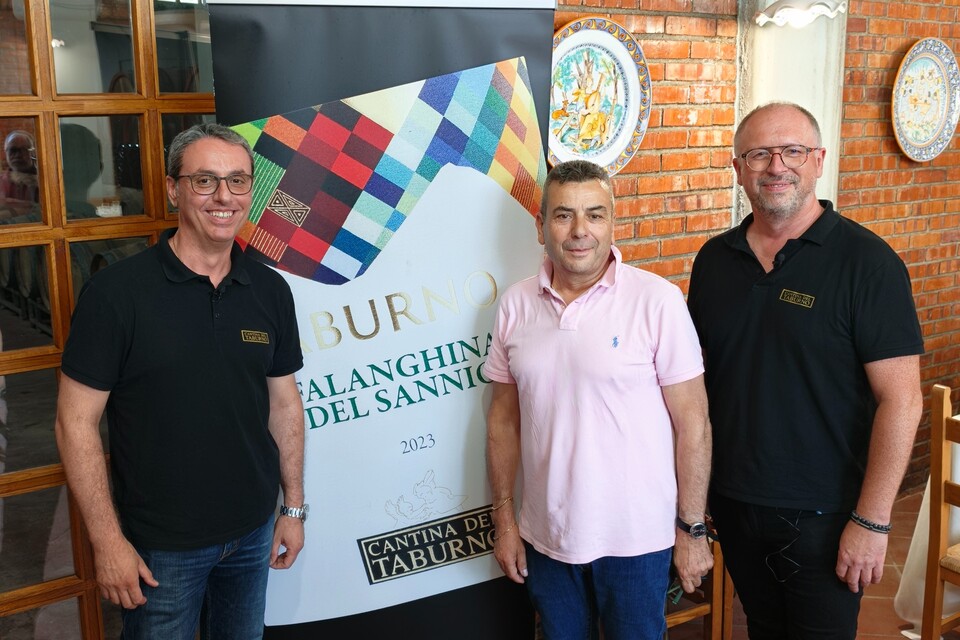
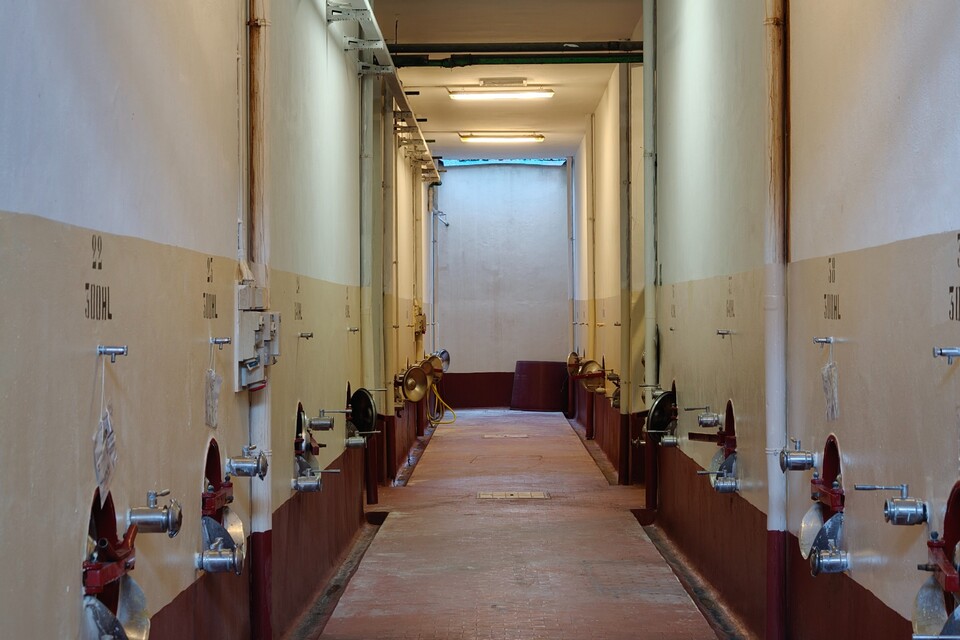
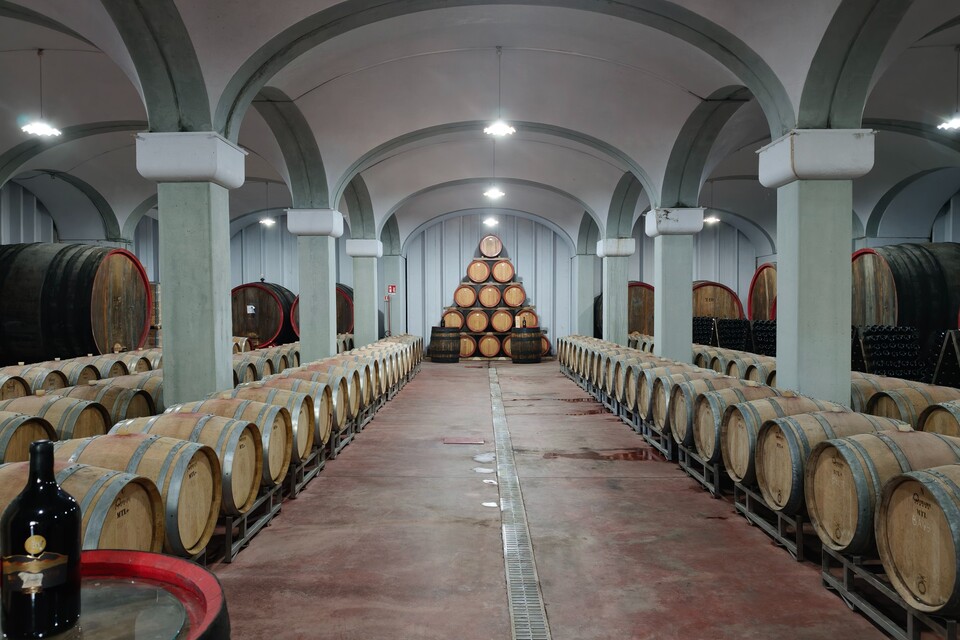
Judging it from the outside, Cantina del Taburno is the same as ever. The typical massive, 1970s structure. It has remained unchanged for 50 years. Everything changes as soon as you step through the entrance. Over 10 million euros in investments from entrepreneur Enzo Rillo, who took over the cooperative in 2023, saving it from bankruptcy, have transformed the heart of Cantina del Taburno into a unique boutique winery. All in the name of technology and sustainability.
A “gentle giant” producing 1 million bottles a year—down from 3.5 million before the receivership and bankruptcy auction, with a goal to reach 5 million in the coming years—it has become the “largest sparkling wine hub in Southern Italy.” To lead the “bubbles” section, a consultant enologist from Champagne has arrived, one of the most prominent in Italy: Nicolas Secondé.
FROM CHAMPAGNE TO TABURNO: ENOLOGIST SECONDÉ BELIEVES IN CAMPANIA
Experiences in Franciacorta (Montina, Barone Pizzini) and Oltrepò Pavese (Tenuta il Bosco – Zonin, Castello di Cigognola, and Brandolini), in addition to his role as chef de cave at the family maison, Champagne Secondé-Simon in Ambonnay, are the credentials that convinced Enzo Rillo to hand him the keys to the sparkling wine section. For still wines, another name that is a guarantee: Raffaele Di Marco, a winemaker of Sardinian origin but based in Sannio for 20 years now.
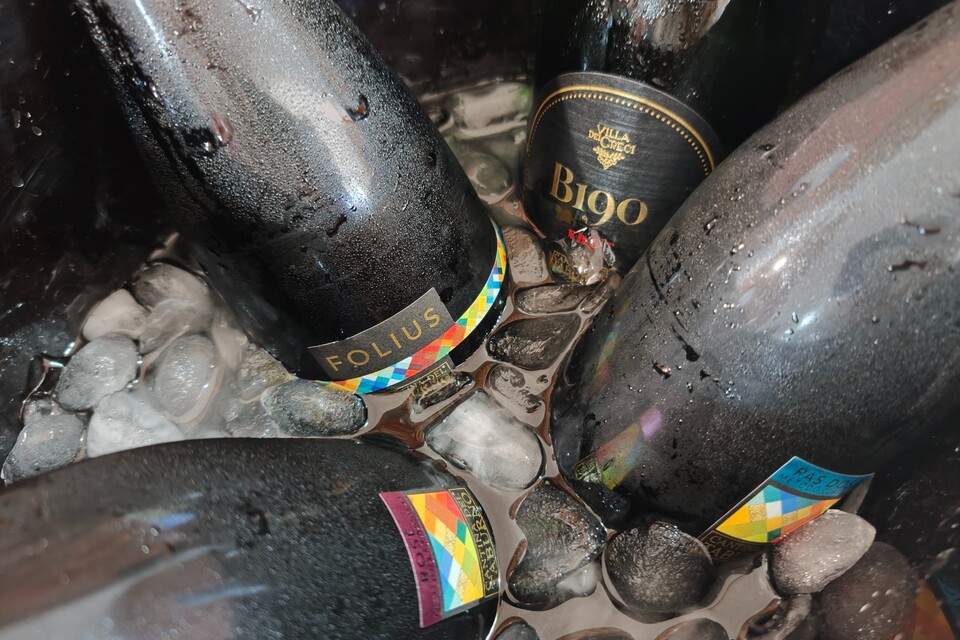
It all started with the meeting between Rillo and Secondé at Simei, followed by numerous visits to Campania by the well-known French œnologue. A long courtship culminated in the production of the first Metodo Classico sparkling wines—an Aglianico rosé, a Falanghina Pas Dosé, and the Enzo Rillo special line—currently still sur lattes, tasted as a preview and very promising—and the refinement of the Martinotti-Charmat from Falanghina, Aglianico, and Malvasia grapes, already on the market for several years. Boutique winery numbers, indeed: 15,000 bottles of Metodo Classico and 120,000 of Martinotti.
NICOLAS SECONDÉ: “TABURNO HAS EVERYTHING TO PRODUCE GREAT METODO CLASSICO”
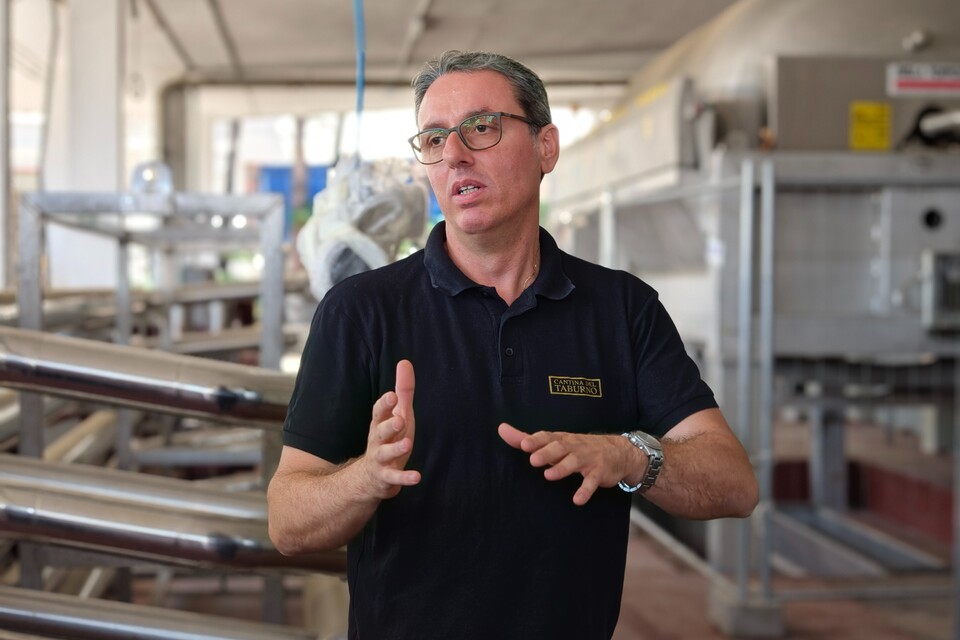
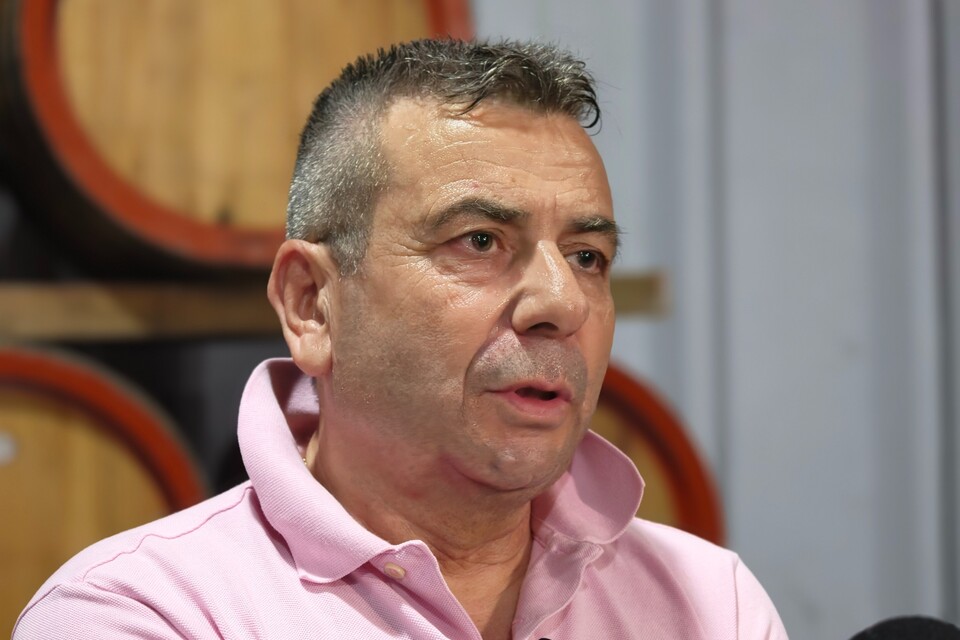
“Before accepting the consultancy,” Nicolas Secondé explains to Winemag, “I wanted to visit the winery and the territory. I was amazed by Taburno’s potential for sparkling wine production. Here there are altitudes, soils, and climate conditions perfect for the production of Metodo Classico sparkling wines. And there is a company that is truly betting on it, beyond trends.”
“Many chefs de cave talk about the moment of blending the cuvées as the most important, but for me, that’s a mistake. If the goal is to produce terroir-driven sparkling wines, as in the case of Cantina del Taburno, then we must shift our focus to the moment of pressing. All this after achieving the best in the vineyard, hitting the right harvest time based on the product we want to obtain. A Metodo Classico with 60 months on the lees, for example, will require absolute purity and a greater aging capacity right from the base wine.”
Taburno, again according to enologist Nicolas Secondé, has what it takes to produce great sparkling wines with these characteristics. “Much more than ‘adapted still wines’ with bubbles: wines that are born under the press as sparkling wines, without the need to ‘fix’ them with liqueur d’expedition. This is not a negociant project but a vigneron project, based primarily on the vineyard and the quality of the grapes.”
“The method and volumes change with the Martinotti, moving from fermentation in 750 ml bottles to 75 hl horizontal autoclaves,” Secondé specifies, “to perform an aging process as similar as possible. The goal is the same, but in a shorter time. The aromatic signature is different, but the quality signature is the same. And in all this, Taburno must be clearly recognizable.”
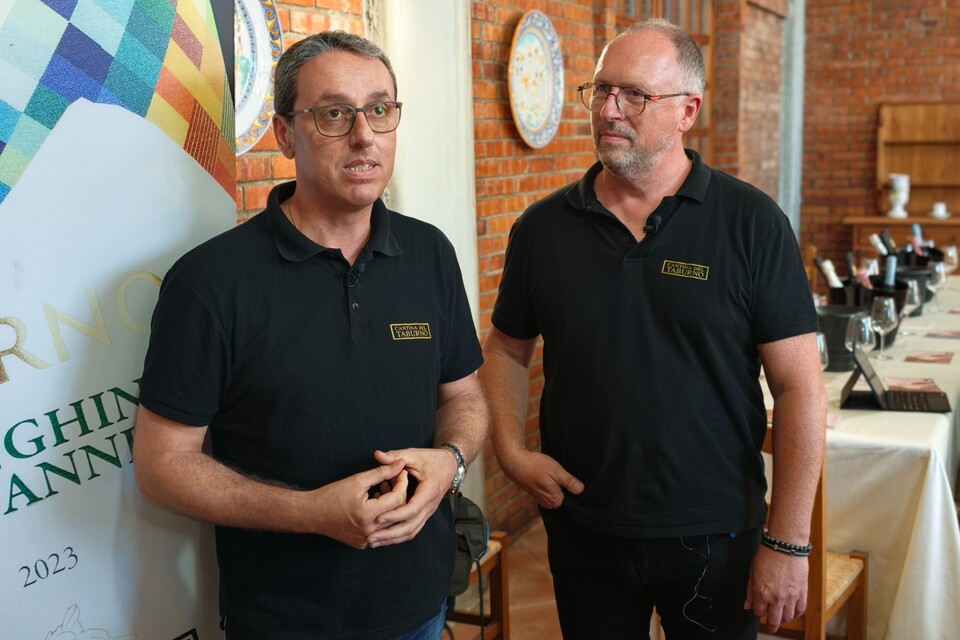
CANTINA DEL TABURNO, NEW INVESTMENTS ON THE WAY
The first experiments with sparkling wine production at Cantina del Taburno date back over 15 years. “I have always been convinced that Aglianico and Falanghina could lend themselves to the production of excellent sparkling wines,” emphasizes Enzo Rillo, “both Metodo Classico and Martinotti-Charmat. This is also why I wanted to provide Nicolas Secondé with the most modern technologies, with the aim of producing sparkling wines that can position themselves at the top of national production, for quality and the ability to ‘contain’ and enhance the natural spirit of Taburno.”
The investments from Rillo, an entrepreneur originally from Sannio who built an empire from scratch thanks to companies active in the road signage sector (Car Segnaletica is his), textiles (military uniforms), hospitality, online publishing, and last but not least, since 2009, the wine sector (he also owns the La Fortezza di Torrecuso winery), are not limited to the sparkling wine segment.
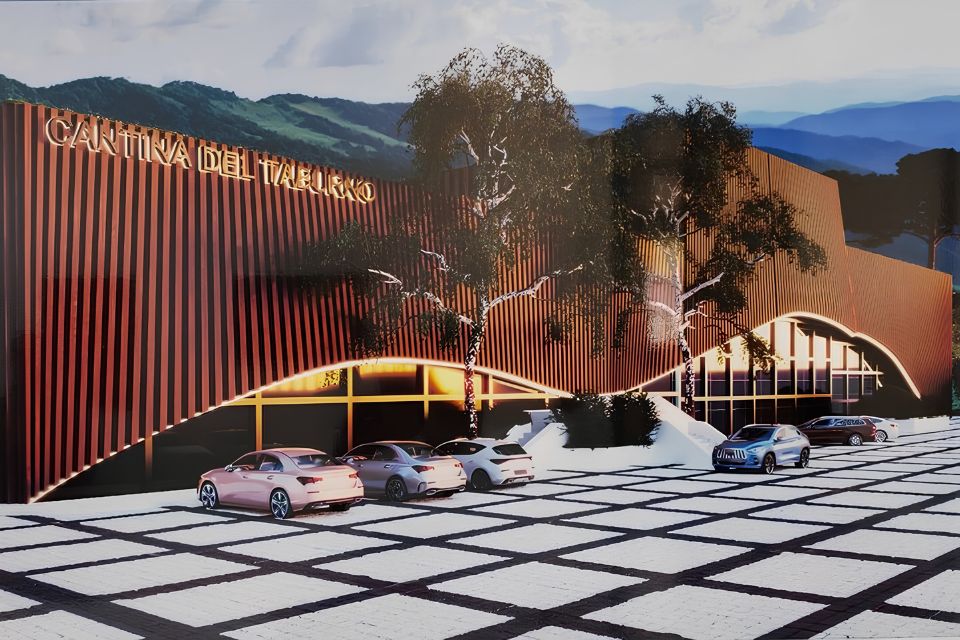
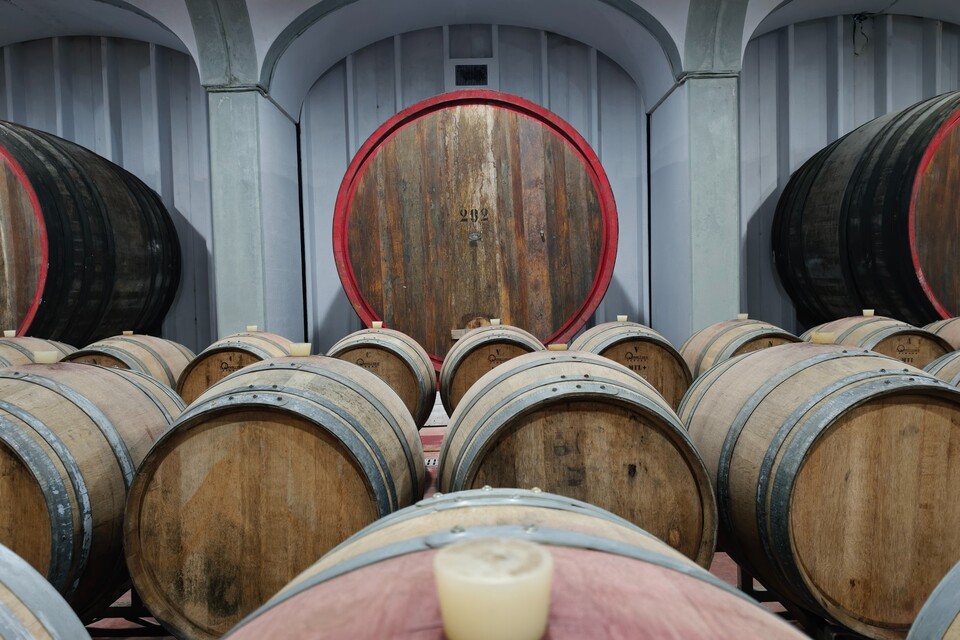
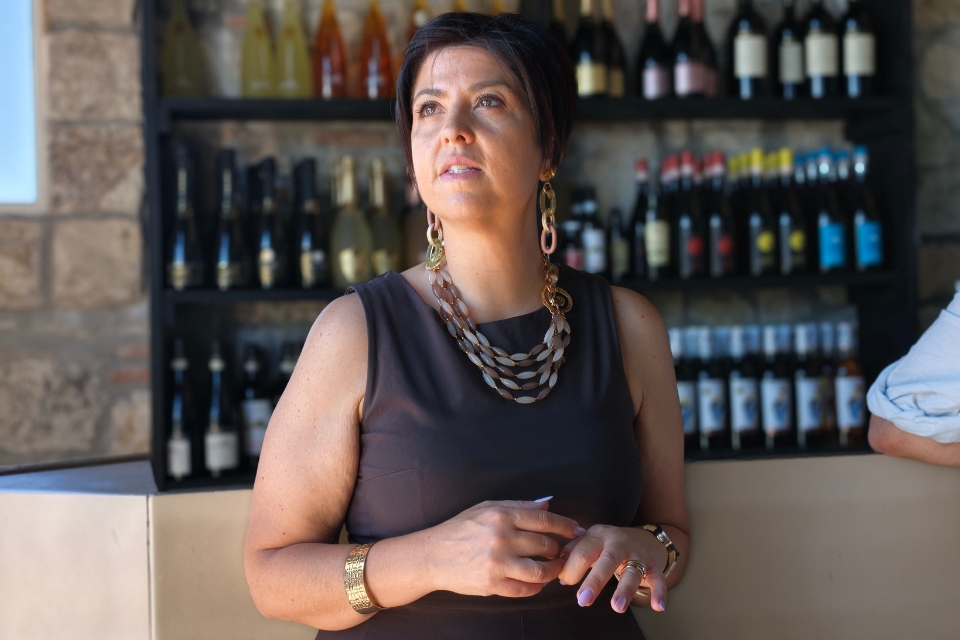
Cantina del Taburno will completely change its face, starting from the external facade, with another 5 million euros for the modernization of the facilities. “A 30-meter tunnel,” anticipates director Antonella Porto, “will connect the barrel cellar to the entrance, which will be completely renovated.” Work will begin in winter 2026 and finish by December 2027.
THE BUE APIS VINEYARD, SAVED FROM DESTRUCTION
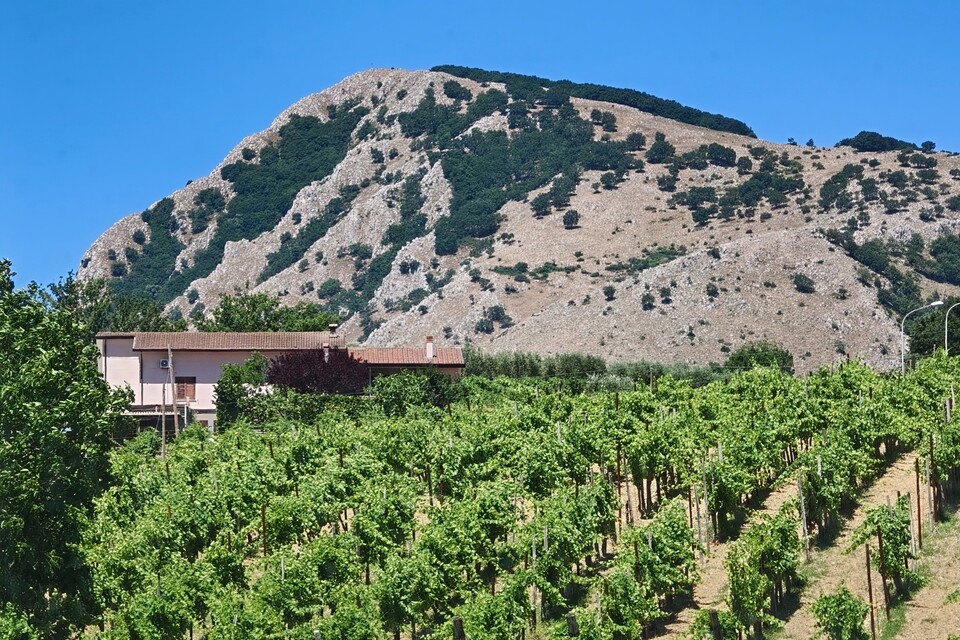
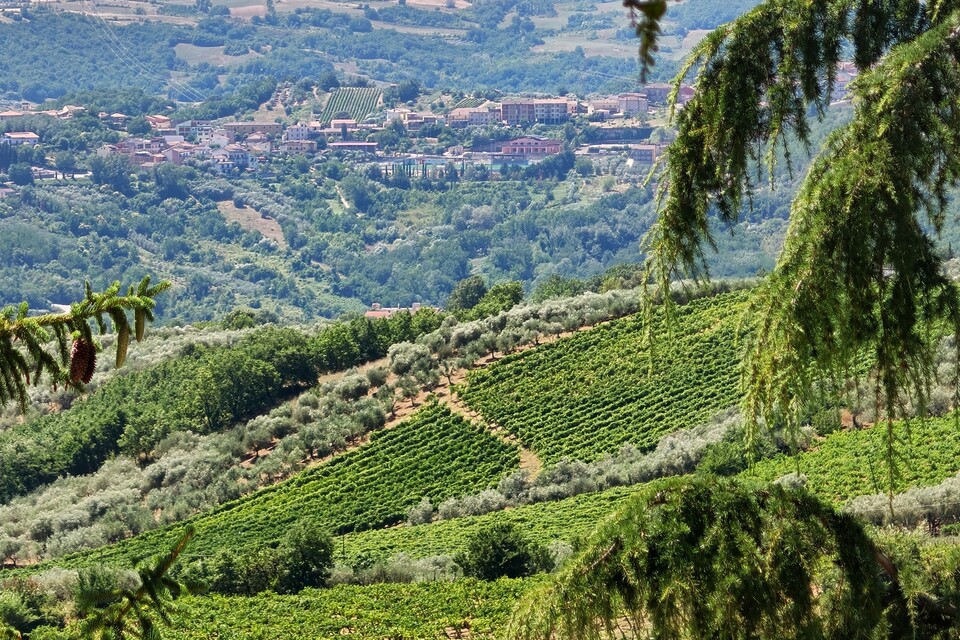
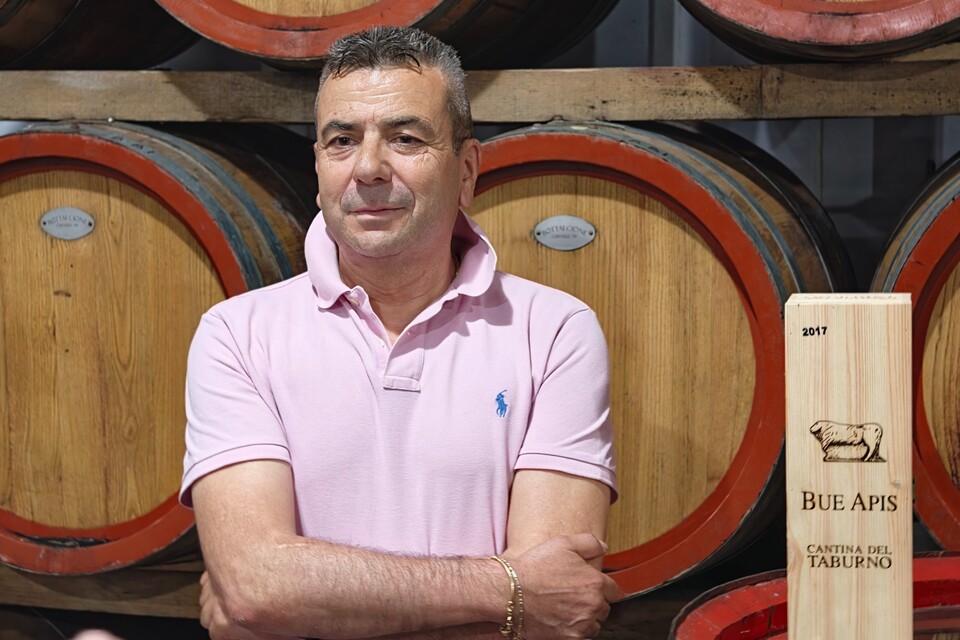
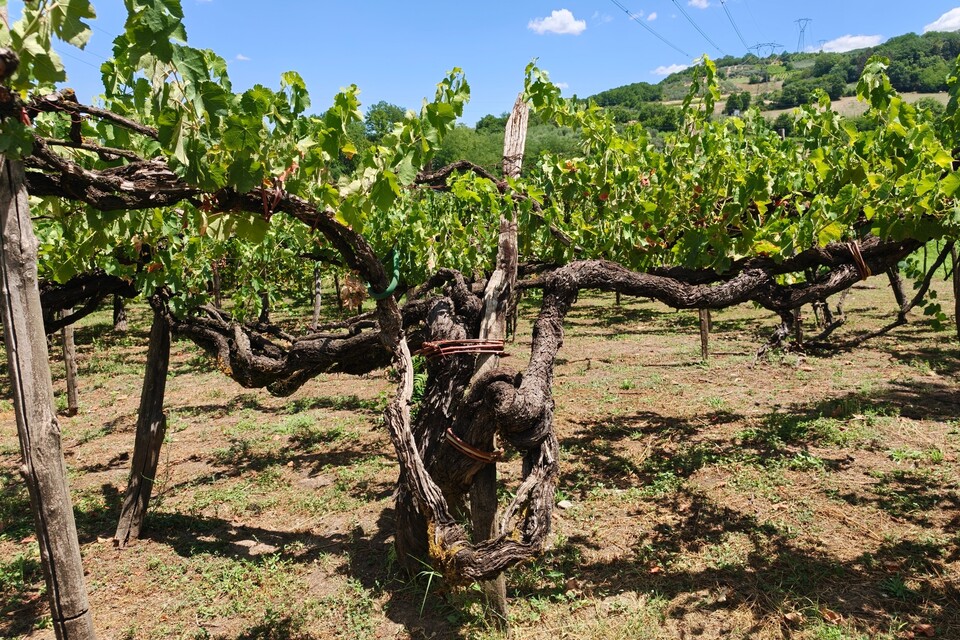
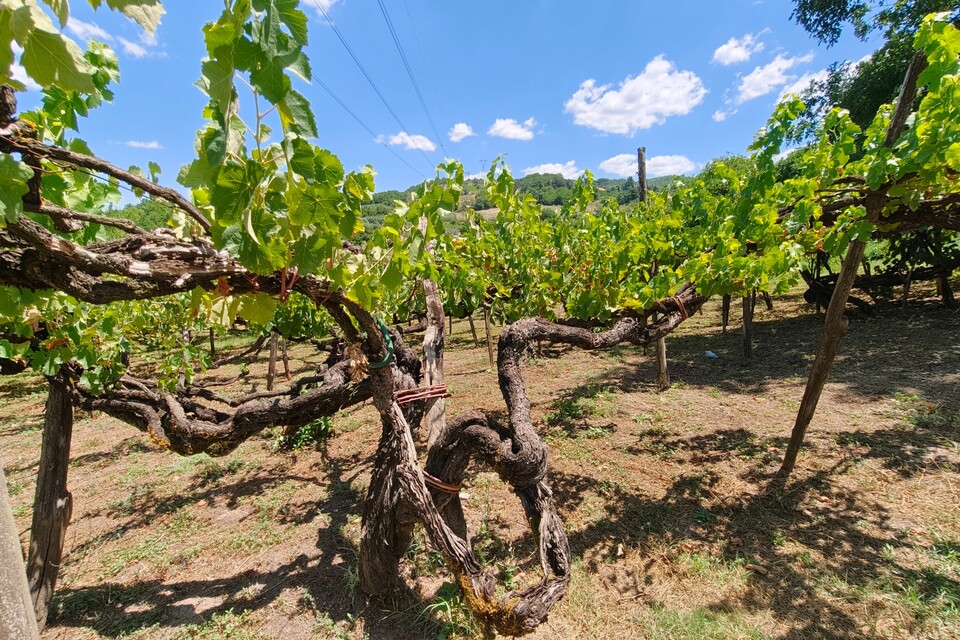
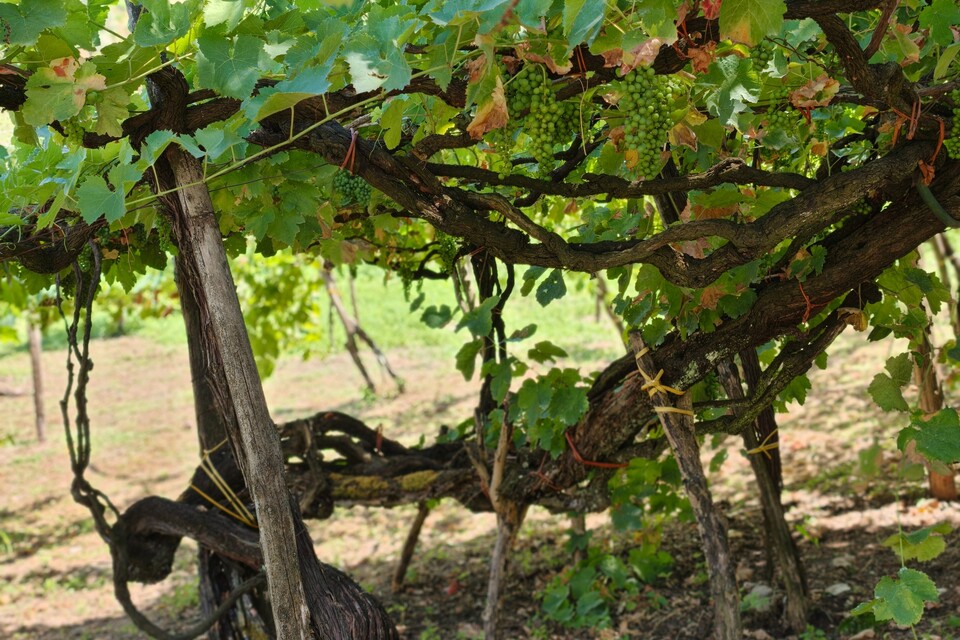
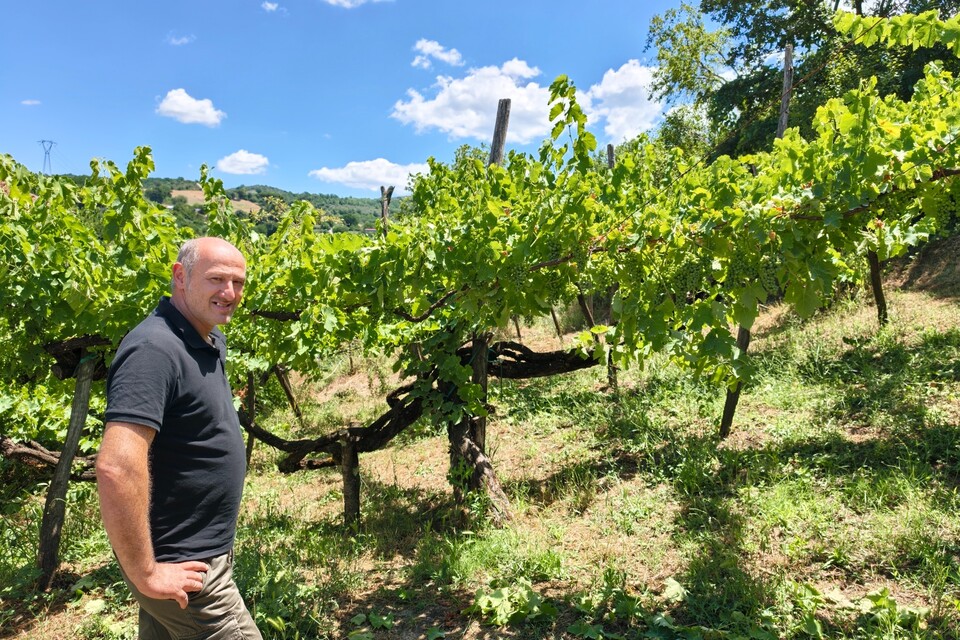
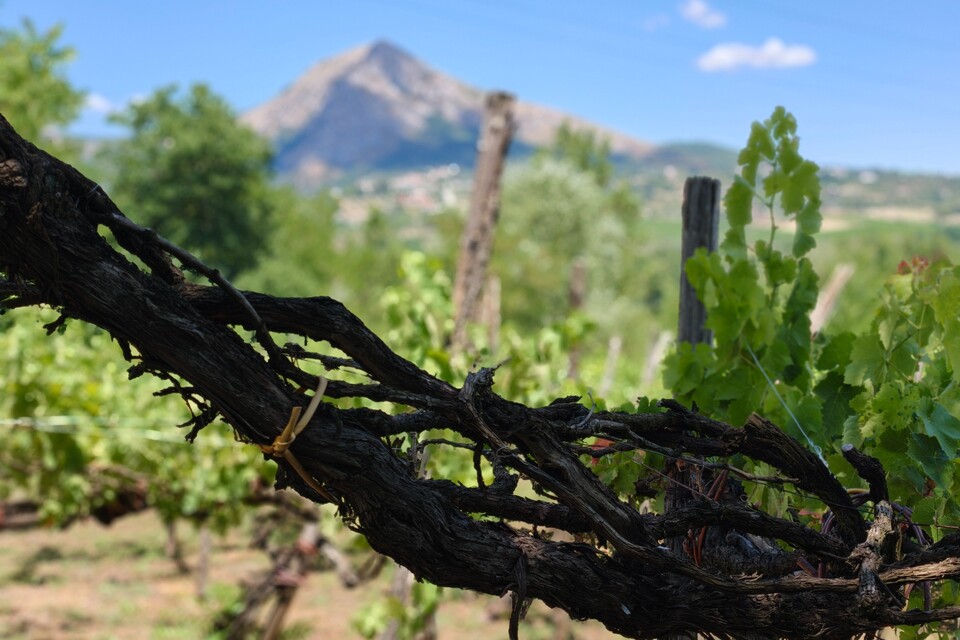
Looking to the future does not distract from what has always been the true treasure of Cantina del Taburno: the historic vineyard from which the flagship wine of the former cooperative, “Bue Apis,” has been produced since 1991. This is the name of the pure Aglianico del Taburno, “Amaro” clone, obtained from centuries-old vines in the ungrafted vineyard of Contrada Pantanella, at the foot of Mount Taburno, at about 1,000 meters above sea level. A niche production, which stands at around 3,500 bottles.
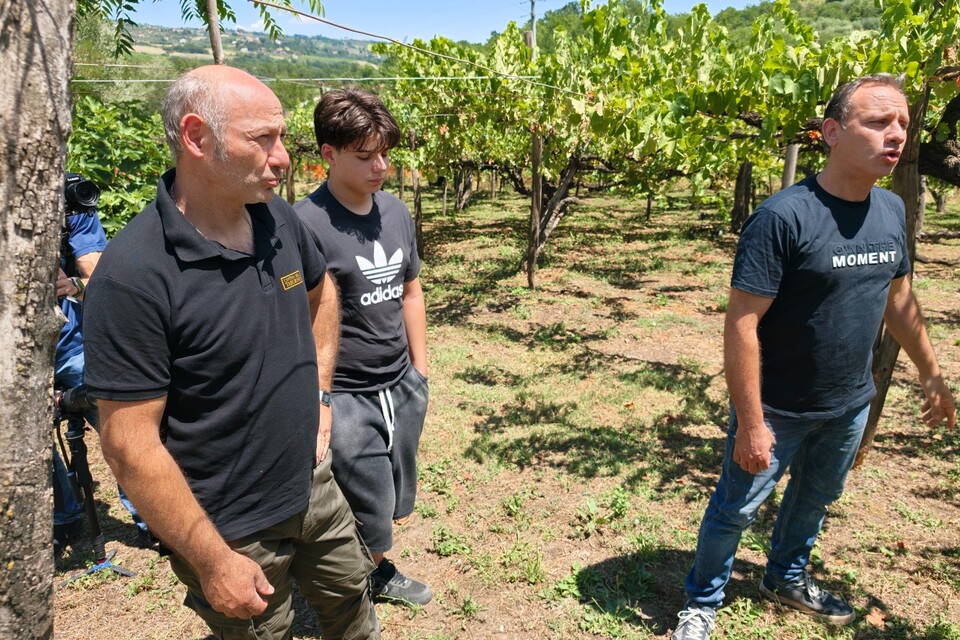
The name recalls the sacred bull Apis, a symbol of strength and fertility, a perfect metaphor for the power and longevity of this wine (the 2019 vintage is currently on the market). The owners of the century-old Bue Apis vineyard are Beppe and Michele Piazza, former members of the cooperative and now suppliers to Enzo Rillo. “Thanks also to his mediation,” the two winegrowers highlight, “we managed to save the vineyard from a valley road project that was supposed to pass right over these 3 hectares.”
The initial route, later revised by the institutions, would have wiped one of the oldest vineyards in the world off the face of the earth. A spectacle of nature, with Aglianico shoots over 30 meters long that seem to hang between the sky and the trees clinging to the slopes of Mount Taburno. A heritage that would deserve an entrance fee, just like Venice and the Colosseum.
TOWARDS THE CONSORZIO VINI DEL TABURNO: IT WILL BE A SECESSION FROM THE SANNIO CONSORTIUM
From the sparkling wine production of Aglianico and Falanghina to the potential of still reds and whites, like Bue Apis or Cantina del Taburno’s other gem, its ultimate expression of Falanghina, “Cesco dell’Eremo.” What is missing, if not an ad hoc Consortium that enhances Taburno for its niche specificities? A question posed by Enzo Rillo himself who, in addition to giving momentum to the former cooperative and running his other winery, La Fortezza, for almost 20 years, thinks big for the territory.
“Today Taburno is one of the territorial and production branches protected by the Sannio Consorzio Tutela Vini,” he emphasizes, “not an autonomous Consortium. However, the time is ripe to give this strategic territory its own Consortium: the Consorzio Vini del Taburno. I am convinced that, in terms of still wines, Taburno is an undiscovered Tuscany. And in terms of sparkling wines, we could grow as Etna in Sicily has in recent years.”
“The general goal,” Rillo continues, “is to create the Taburno brand. In this sense, I am committing myself: wine, oil, and pasta. Only by communicating the territory will we have won. Communicating each for themselves, we will all lose.” Speaking of victories and defeats, the signature of the multi-talented entrepreneur Enzo Rillo is also on the probable birth of the Sport Taburno football team, which hopes to register for the 2026-2027 Eccellenza championship. It will bring together teams from 8 or 9 municipalities in the area. The jersey will be black, with golden stars on the chest. Ball in the center, then. Until the next goal. In football or in wine, only time will tell.