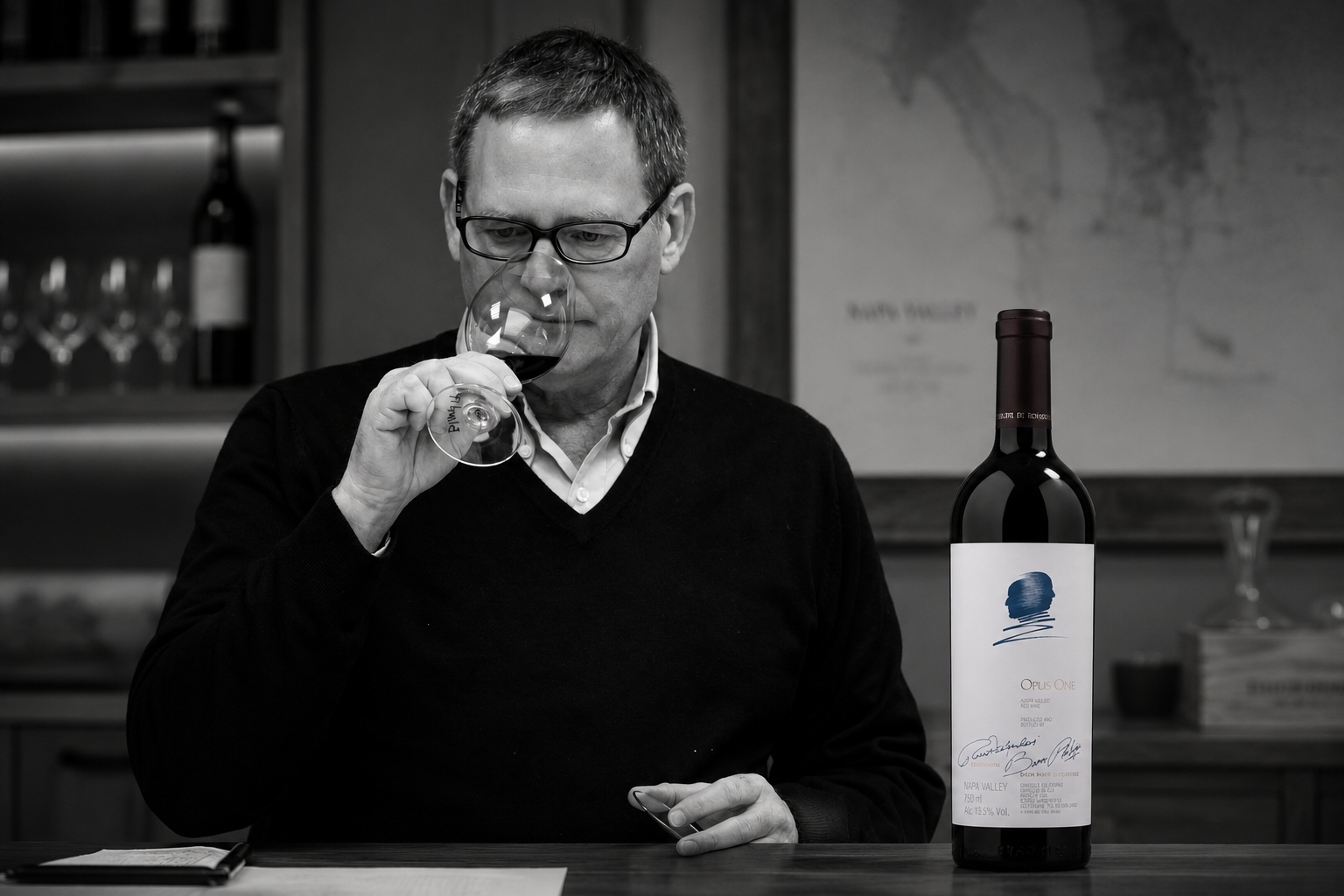
Opus One, Michael Silacci, Napa Valley, and the 2026 harvest: four keywords that mark the end of a long technical era for one of the iconic wineries of Californian wine. The Oakville winery has announced the planned retirement of its winemaker at the end of the next harvest.
Silacci will retire after twenty-five years at Opus One. He joined the company in 2001 as Director of Viticulture and Enology. In 2003, he was appointed sole winemaker, assuming full responsibility for vineyard management and winemaking.
His departure is not a simple change of role. It is the passing of the torch in one of the most famous estates in Napa Valley, born from the meeting of Baron Philippe de Rothschild and Robert Mondavi. Over time, it has become one of the most recognizable brands in high-end American wine.
MICHAEL SILACCI’S ROLE AT OPUS ONE
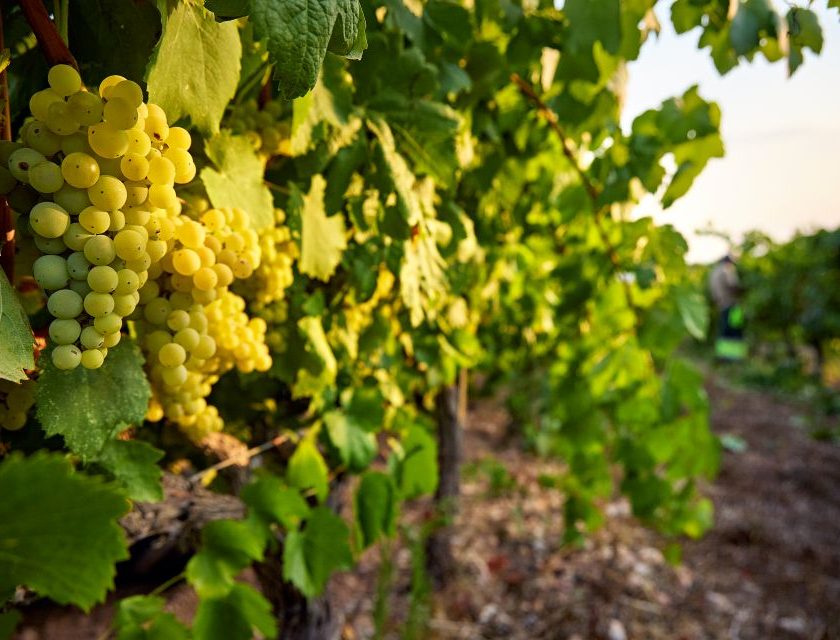
The winery credits Silacci with a central role in consolidating Opus One’s agricultural identity. During his technical direction, replanting, strategic acquisitions, and agronomic practices aimed at greater vineyard balance were carried out.
Among the interventions cited by the company are the protection and restoration of land along the Napa River, the use of cover crops, reduced soil tillage, and more precise and limited irrigation management. These choices are part of an integrated vision between vineyard and cellar, claimed by Silacci as an essential part of enological work.
For a brand like Opus One, built on the idea of a great Bordeaux blend produced with Napa Valley grapes, the subject is not secondary. The value of the label is measured not only by its international reputation but by its ability to maintain consistency, precision, and recognizability vintage after vintage.
SUCCESSION AFTER THE 2026 HARVEST
“Michael’s contributions to Opus One,” stated Chris Lynch, CEO of Opus One, “are profound and lasting. His dedication to the estate’s terroir, his ability to integrate innovation and tradition, and his leadership in the vineyards and cellar have guided the winery to new heights.”
The search for a successor will begin in early 2027. Silacci will remain involved during the transition phase, with the aim of ensuring continuity for the project and accompanying the transition to new technical leadership.
It is a delicate succession. Opus One must not only find a new winemaker. It must identify a figure capable of managing a complex balance: the weight of the brand, global market expectations, the pressure of climate change, and the need to avoid turning the icon into a repeated formula.
OPUS ONE, FROM MONDAVI AND ROTHSCHILD TO THE GLOBAL NAPA VALLEY
Opus One was founded in 1978 from the partnership between Baron Philippe de Rothschild, owner of Château Mouton Rothschild, and Robert Mondavi, a key figure in the qualitative rebirth of Napa Valley. The goal was to create a Bordeaux-inspired wine in California, capable of uniting French culture and American viticulture.
The project helped consolidate Napa Valley’s international image as a region capable of competing at the highest end of the global market. A positioning that Opus One has maintained through a very strong narrative, but also through technical work increasingly centered on vineyard management.
The departure of winemaker Michael Silacci after the 2026 harvest thus closes an important chapter. The next one will show how solid the foundations built over these twenty-five years will be, even without the winemaker who, more than anyone, provided technical continuity to contemporary Opus One.