IN BREVE
- The Banfi winery in Piedmont has suffered a theft of over 3,000 bottles, mainly Alta Langa Docg.
- Thieves stole entire pallets, selecting valuable labels such as Cuvée Aurora and Riserva 100 Mesi.
- The stolen bottles are identifiable thanks to traceability systems, making their unofficial sale difficult.
- The winery is asking for help to intercept any suspicious movements of the stolen bottles on the market.
- The case highlights the importance of security and traceability in the wine sector, especially for prestigious labels.
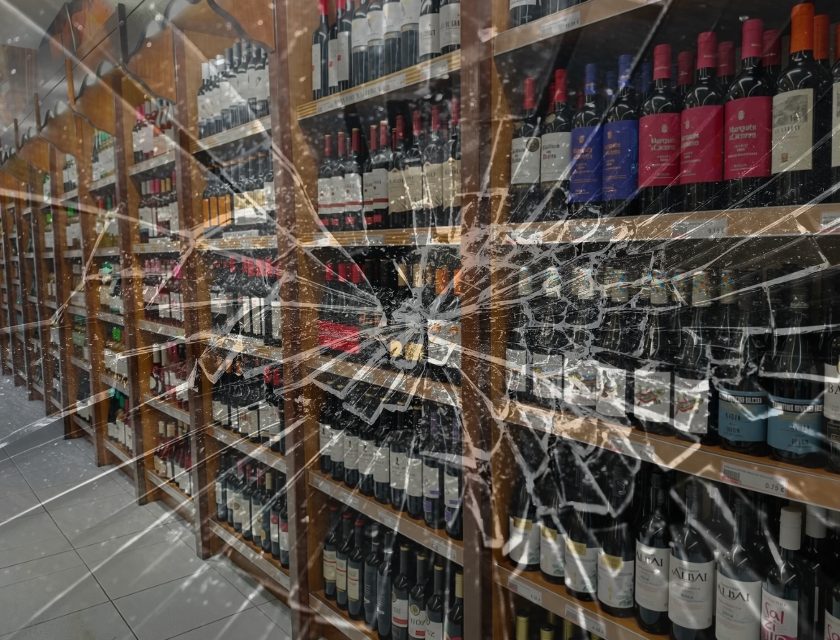
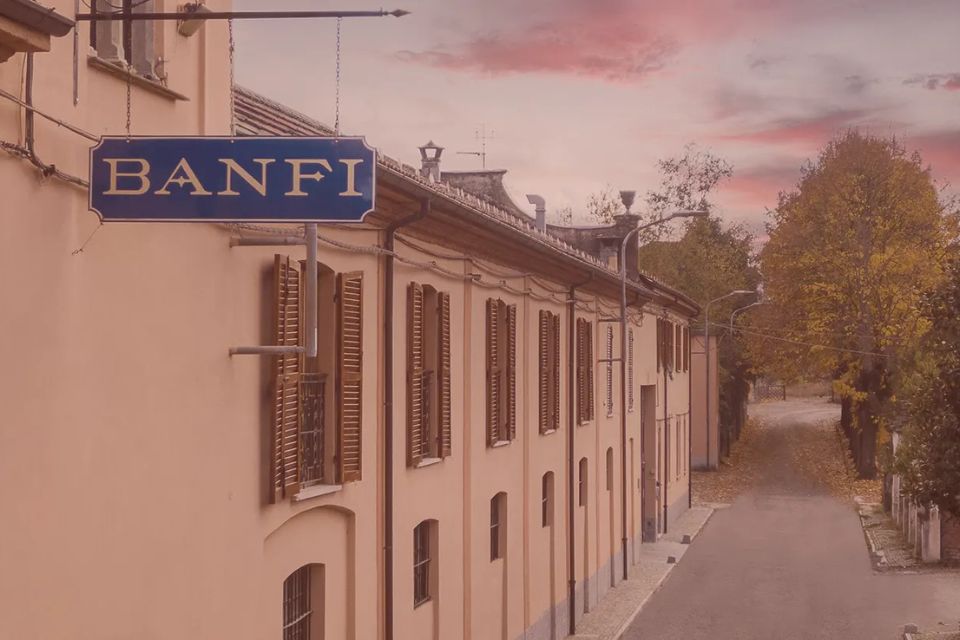
During the night between Sunday, June 28 and Monday, June 29, the Banfi winery in Piedmont, in Strevi, in the province of Alessandria, was hit by a significant theft. According to the company, over 3,000 bottles were stolen, largely Alta Langa Docg labels.
The theft involved entire pallets of product. A detail that, according to the reconstruction provided by the winery, suggests an organized and targeted action. In fact, the thieves carefully selected some of the most representative labels of Banfi’s Piedmontese sparkling wine production. Among these are Cuvée Aurora, Cuvée Aurora Rosé, and Riserva 100 Mesi.
BANFI WINERY THEFT IN STREVI (PIEDMONT): BOTTLES TRACEABLE ALONG THE SUPPLY CHAIN
The company emphasizes that the stolen bottles are identifiable thanks to the traceability systems adopted some time ago, particularly on the most valuable labels. This element could prove important for the investigations and makes the eventual placement of the stolen wines on the market through unofficial channels more complex.
“For years we have been investing in traceability systems for our products,” declares the president of Banfi, Rodolfo Maralli, “and, in particular, for flagship labels like Alta Langa. The stolen bottles are therefore identifiable and potentially traceable along the supply chain. This is an element that could prove decisive for the investigations. Furthermore, it makes their eventual commercialization more difficult.”
BANFI’S APPEAL TO OPERATORS AND CUSTOMERS
The winery has chosen to make the episode public to ask for the collaboration of customers, sector operators, and citizens. The goal is to intercept any suspicious movements of the stolen bottles, especially if they should appear in unusual contexts.
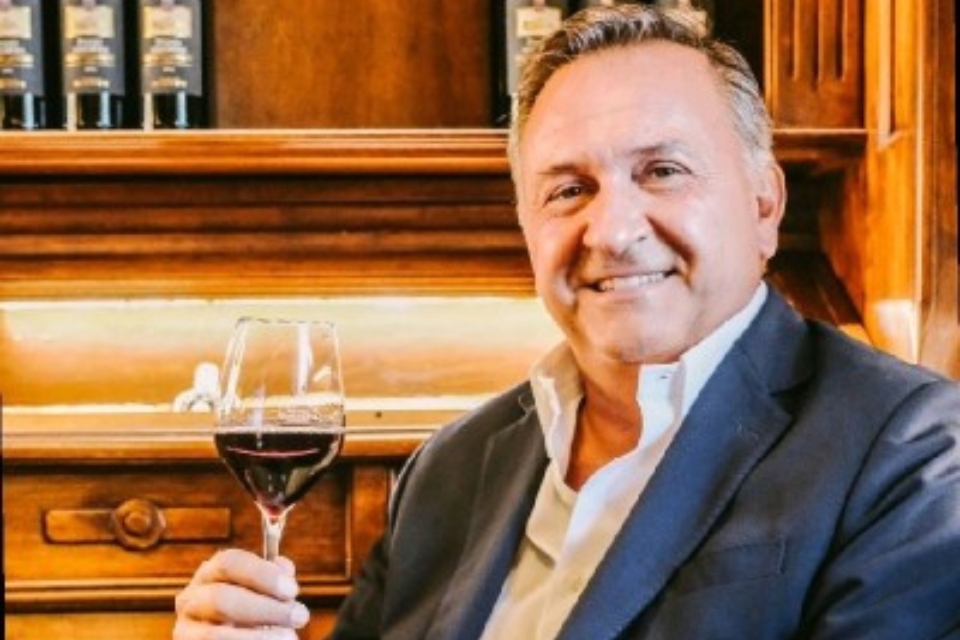
“We decided to make the news public,” adds Maralli, “to ask for the collaboration of customers, sector operators, and citizens. Should the bottles appear in unusual contexts or through sales channels not attributable to official ones, we invite you to report it to the competent authorities or to the company. Any information could contribute to reconstructing the path of the stolen bottles and help identify those responsible.”
The case draws attention to an increasingly sensitive issue for the wine sector: the security of warehouses and the traceability of the most prestigious bottles. In the case of Alta Langa Docg, a denomination with a rapidly growing reputation and value, the recognizability of the stolen labels could represent a decisive obstacle to their resale on the market.