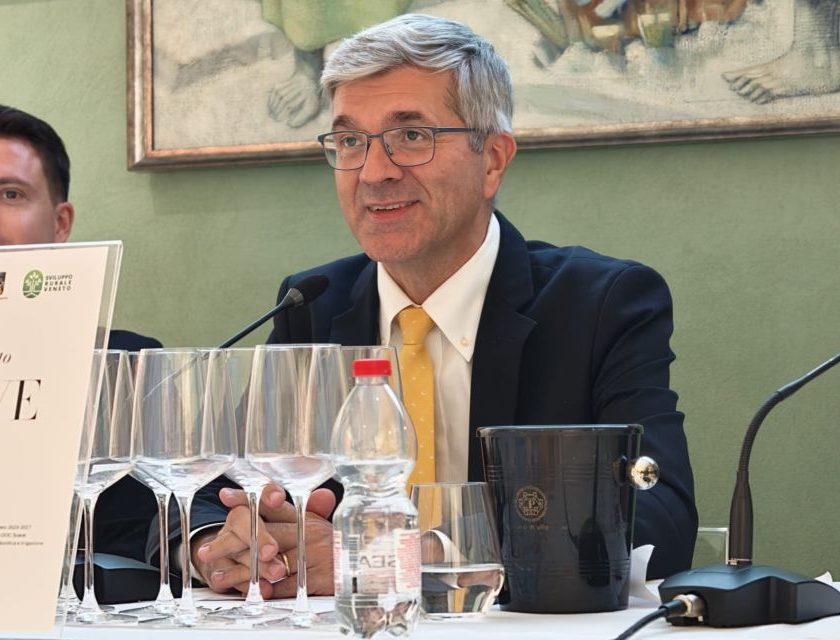
A few simple rules to understand that, ultimately, they’re not an alien but a human. And that, above all—unless they’re an egomaniac—they’re on our side. Because wine is that serious thing around which we can have a lot of fun. All together.
Dear sommelier, I’m not afraid of you. A few simple rules to understand that, ultimately, they’re one of us. A human. And that, above all, unless they’re an egomaniac, they’re on our side. In the relationship between sommelier and restaurant customer, too many misunderstandings still lurk. The professional figure is often perceived as distant. Or, worse: judgmental. Overcoming prejudices and reestablishing an authentic, human, and useful connection with the person guiding the tasting, through food-wine pairing recommendations, can become a fun game, capable of further enriching an evening. From both sides of the bottle. And of the “uniform.”
NO MORE FEAR: THE SOMMELIER WON’T BITE
The sommelier isn’t there to intimidate: neither at the restaurant, nor at the tasting tables of a wine event. They’re a professional at the service of customers and guests, with the task of guiding them in their wine selection. The problem is that, too often, they’re perceived as a stern judge, ready to weigh knowledge and tastes. The distance widens. And communication breaks down. The first rule for humanizing the sommelier is to accept their role: not superior, but complementary.
SPEAK CLEARLY, EVEN ABOUT EMOTIONS
It’s true, on the other hand, that technical jargon, when used excessively, creates barriers. The sommelier should be able to read the context and adapt their language. Speaking simply doesn’t mean dumbing down, but being inclusive. The customer, for their part, shouldn’t be afraid to express what they feel, even using non-canonical words. Empathy is the common ground on which to build an effective dialogue.
THE GAME OF QUESTIONS AND ANSWERS
Wine service cannot become a monologue. The sommelier must ask questions, listen, interpret. “What wine do you like?” can be enough to open up a world. The customer, on the other hand, shouldn’t be afraid to ask questions, even basic ones. Asking is not synonymous with ignorance, but with interest. The relationship is built through dialogue, not unilateralism.
FREE FROM PREJUDICES, ON BOTH SIDES
Many customers fear that the sommelier will judge their choices. It’s an often unfounded prejudice. Similarly, the sommelier cannot afford to think that the average customer is uninterested or incompetent. Erasing mutual stereotypes is essential to restore spontaneity and trust.
KNOWLEDGE, BUT ALSO LISTENING AND AVAILABILITY
Being an expert isn’t enough. The sommelier must know how to work the dining room, read the table dynamics, pick up on signals. They’re a figure of mediation, not imposition. Those serving wine must enhance the customer’s experience, putting their expertise at the service of the moment. Without overshadowing it.
WINE AS A CONNECTION, NOT AN OBSTACLE
The ultimate goal is not to demonstrate how much you know, but to make those seated at the table feel good. Wine becomes a bridge between sensibilities, desires, cultures. If sommelier and customer manage to meet on this ground, the result is an authentic “relationship” that enriches both. Humanizing this professional figure means restoring—even before potentially requesting their assistance—their truest function: acting as a bridge between the bottle and the person. That’s how it should be: sommelier, one of us. No ifs, ands, or buts.
Sommelier, One of Us: How to Stop Being Afraid of Them. Italian Sommelier Association. Fisar. Italian Sommelier Foundation.