IN BREVE
- Schiava is a native grape variety central to the winemaking tradition of Caldaro and South Tyrol viticulture.
- Kalterersee DOC wines differ in color, structure, and aromatic profile from those of the Bolzano basin, known as Santa Maddalena.
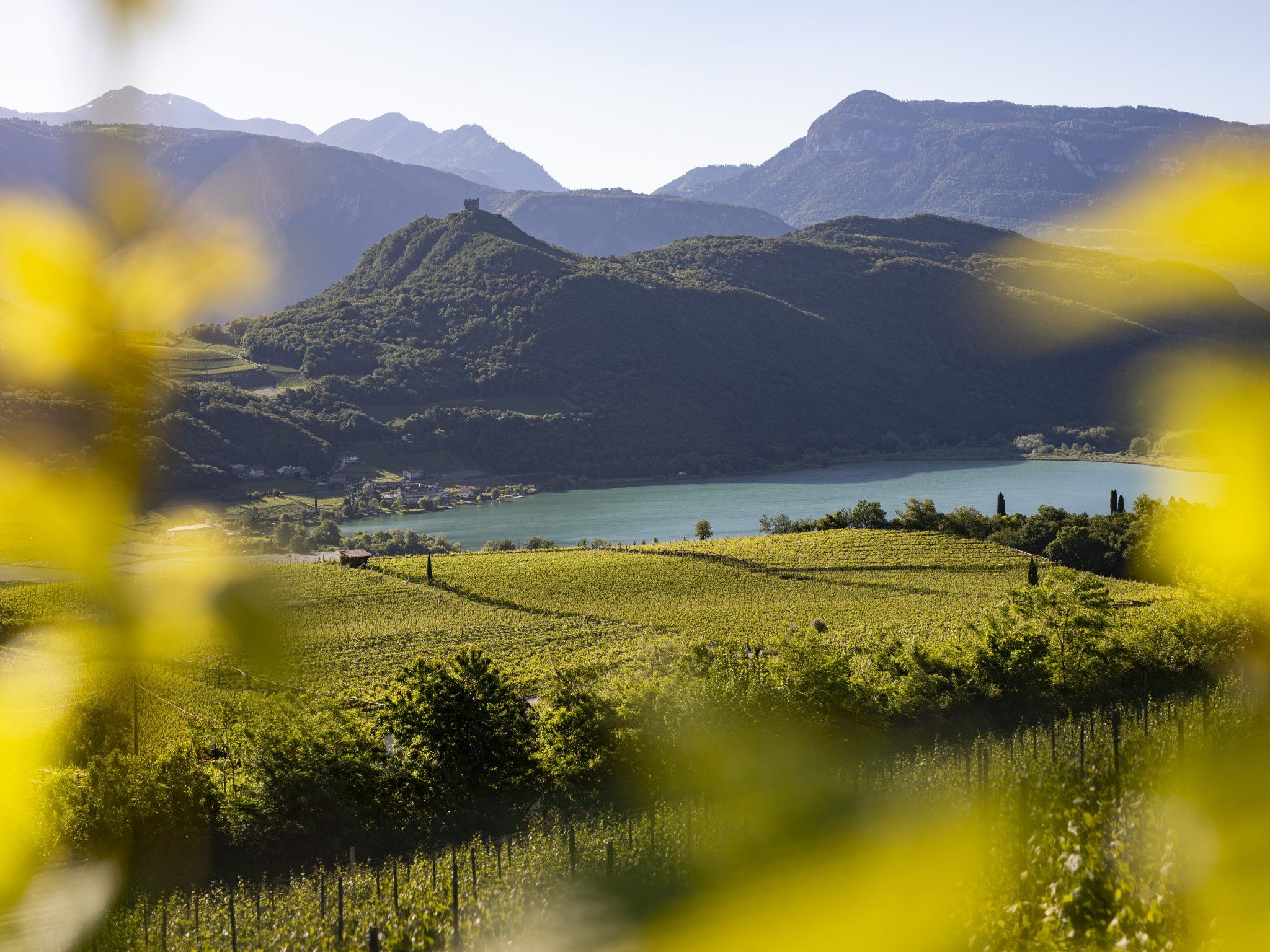
- The geography and favorable climate of Lake Caldaro influence the character of Schiava, a grape variety suited to quality production.
- The pergola training system not only defines the Caldaro landscape but also ensures excellent wine quality.
- Despite the reduction in vineyard area, Schiava maintains a strong presence in the historic areas of Lake Caldaro.
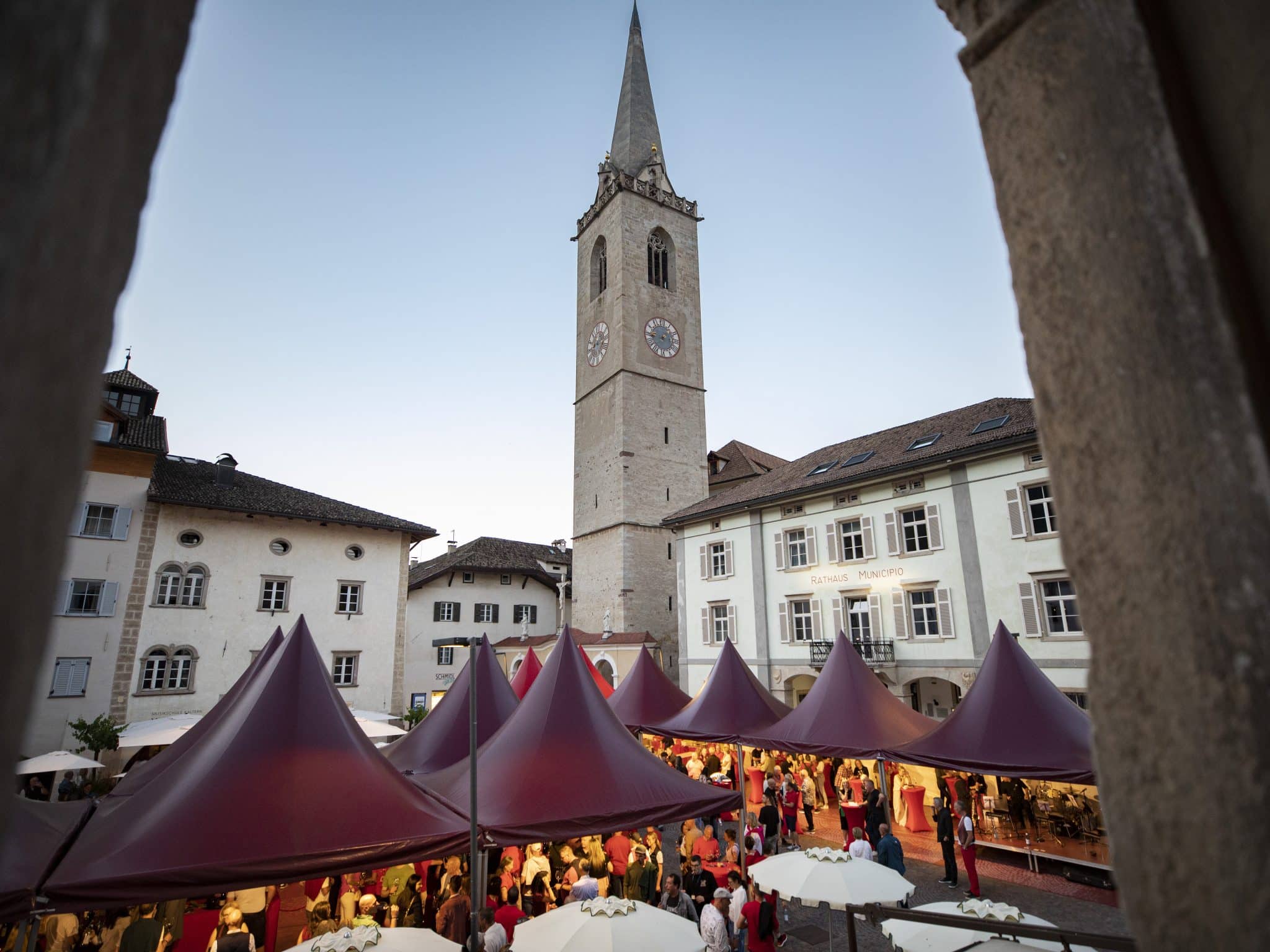
Schiava, feminine plural. It’s forbidden to imagine just a few singular details on the identity card of Caldaro Schiava. This is what the Kalterersee 2026 Preview tells us, held last weekend, organized by Wein.Kaltern. An opportunity to rediscover, through the 2025 vintage wines, common features such as “eye color”: that lighter or darker red that’s fashionable among contemporary consumers. But also heterogeneous physiognomies, capable of extending the list of descriptors on the document. Especially when what changes is the address, meaning the place where the vines sink their roots. Or the interpretation of individual producers, seeking more or less pronounced cheekbones.
CALDARO SCHIAVA
The Schiava vineyards linked to the “Caldaro” Kalterersee—the true focus of the preview, centered on the specificities of Schiava from the Municipality of Caldaro, in German Vernatsch from Kaltern an der Weinstraße and not on the entire denomination—do not develop as a continuous strip along all the shores of the famous lake. The geography of the interprovincial DOC Lago di Caldaro—which in total includes 12 municipalities in the province of Bolzano and, surprise? 8 in the province of Trento—is also articulated at the local level.
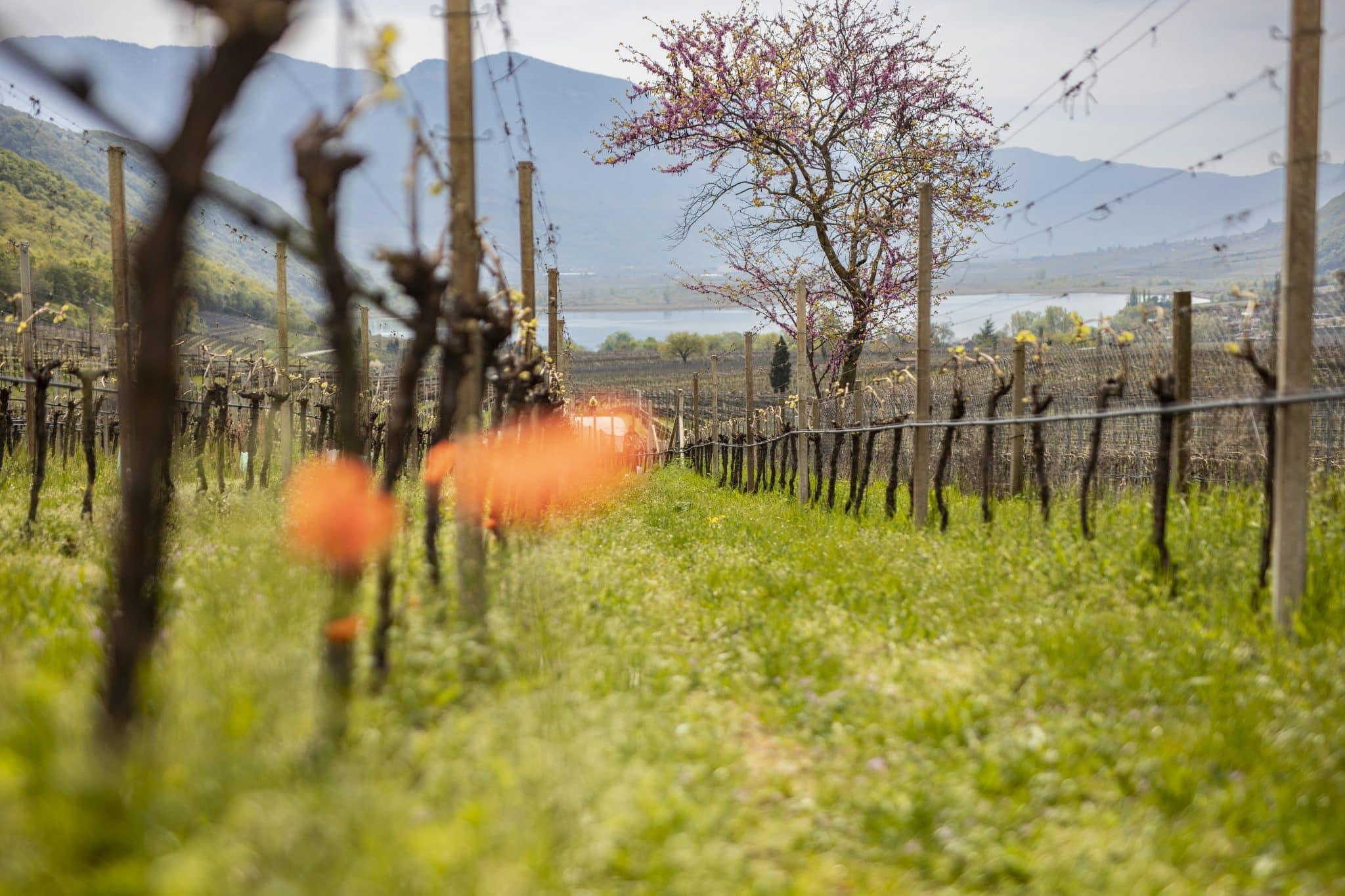
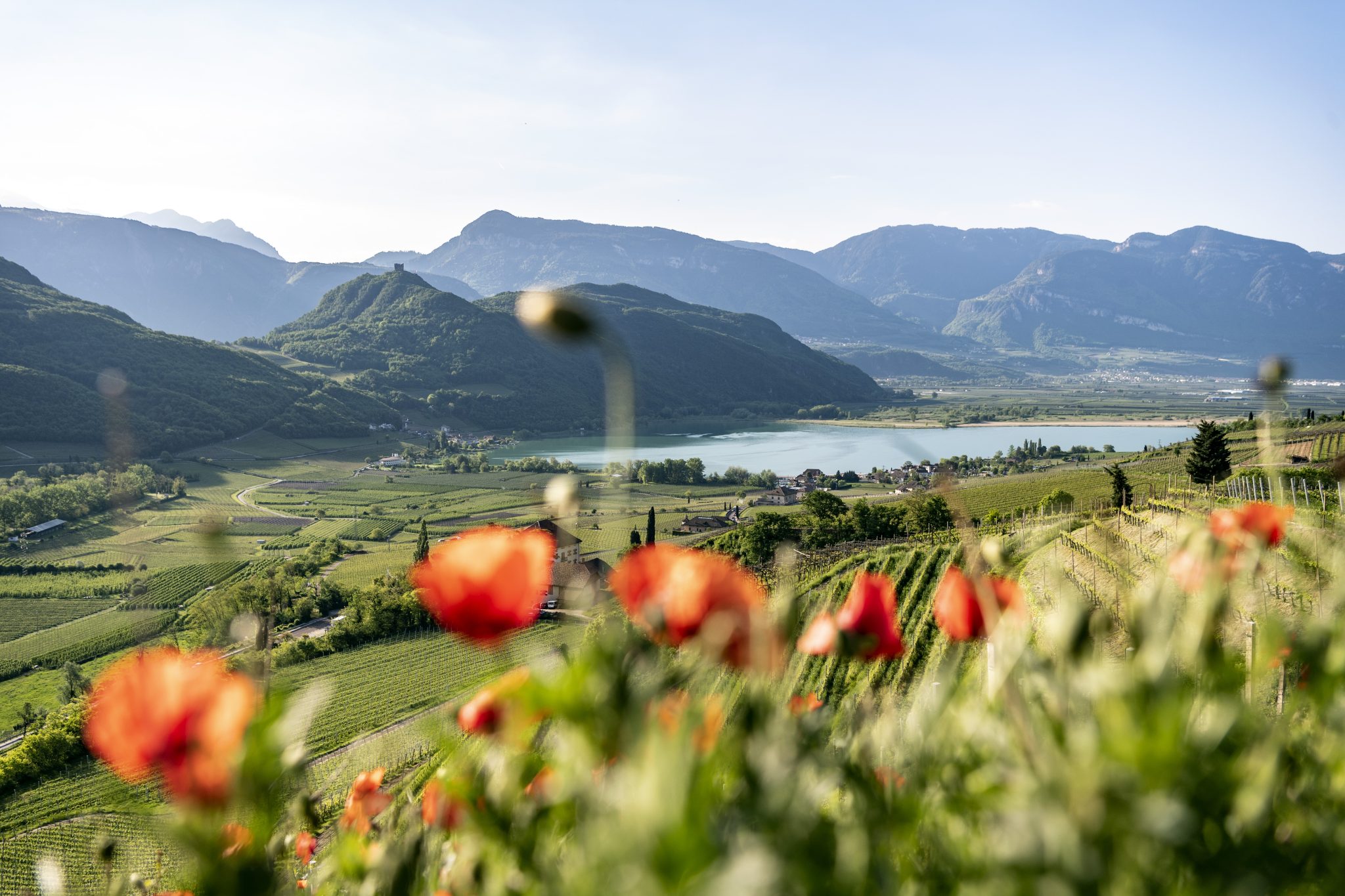
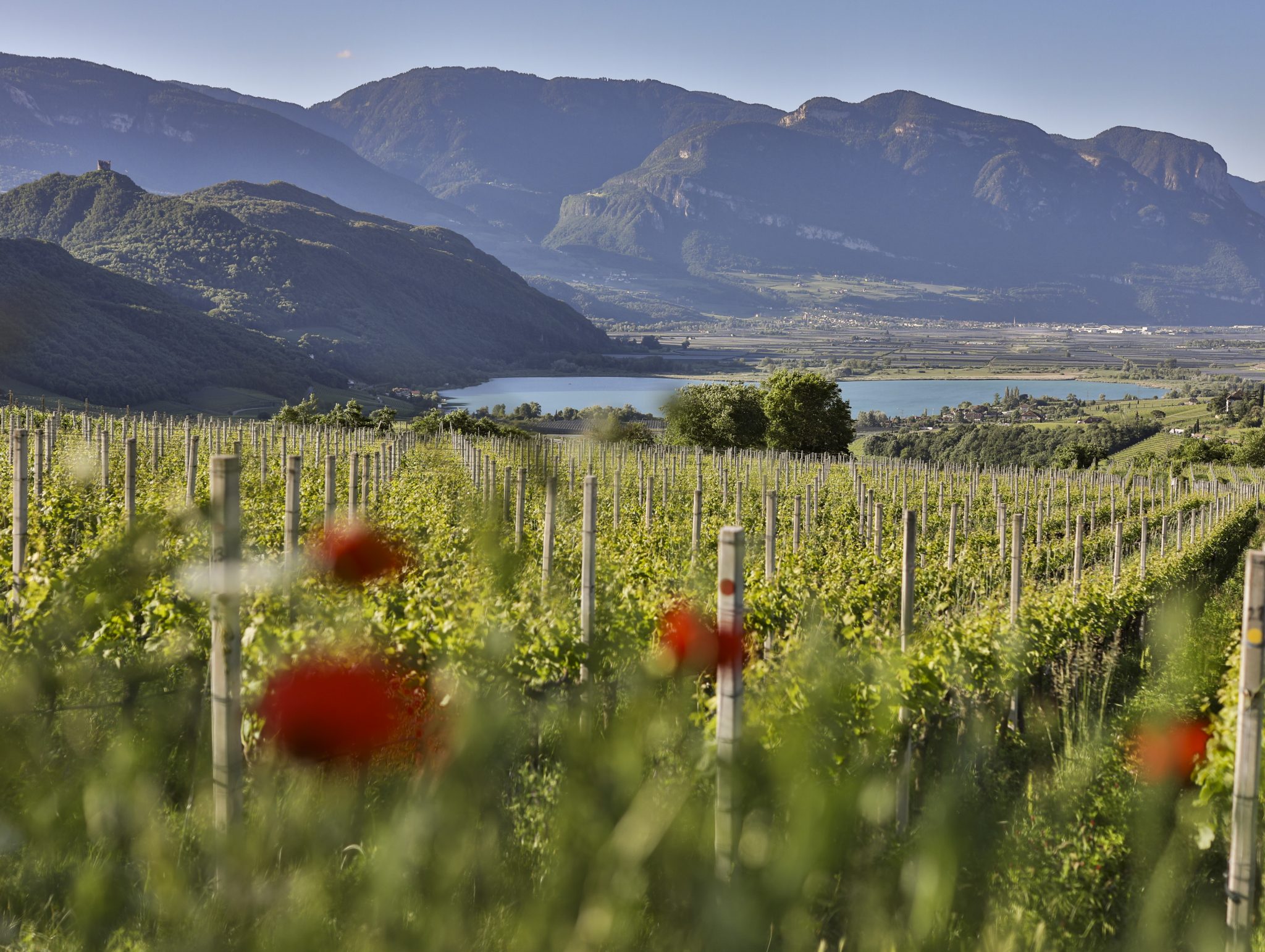
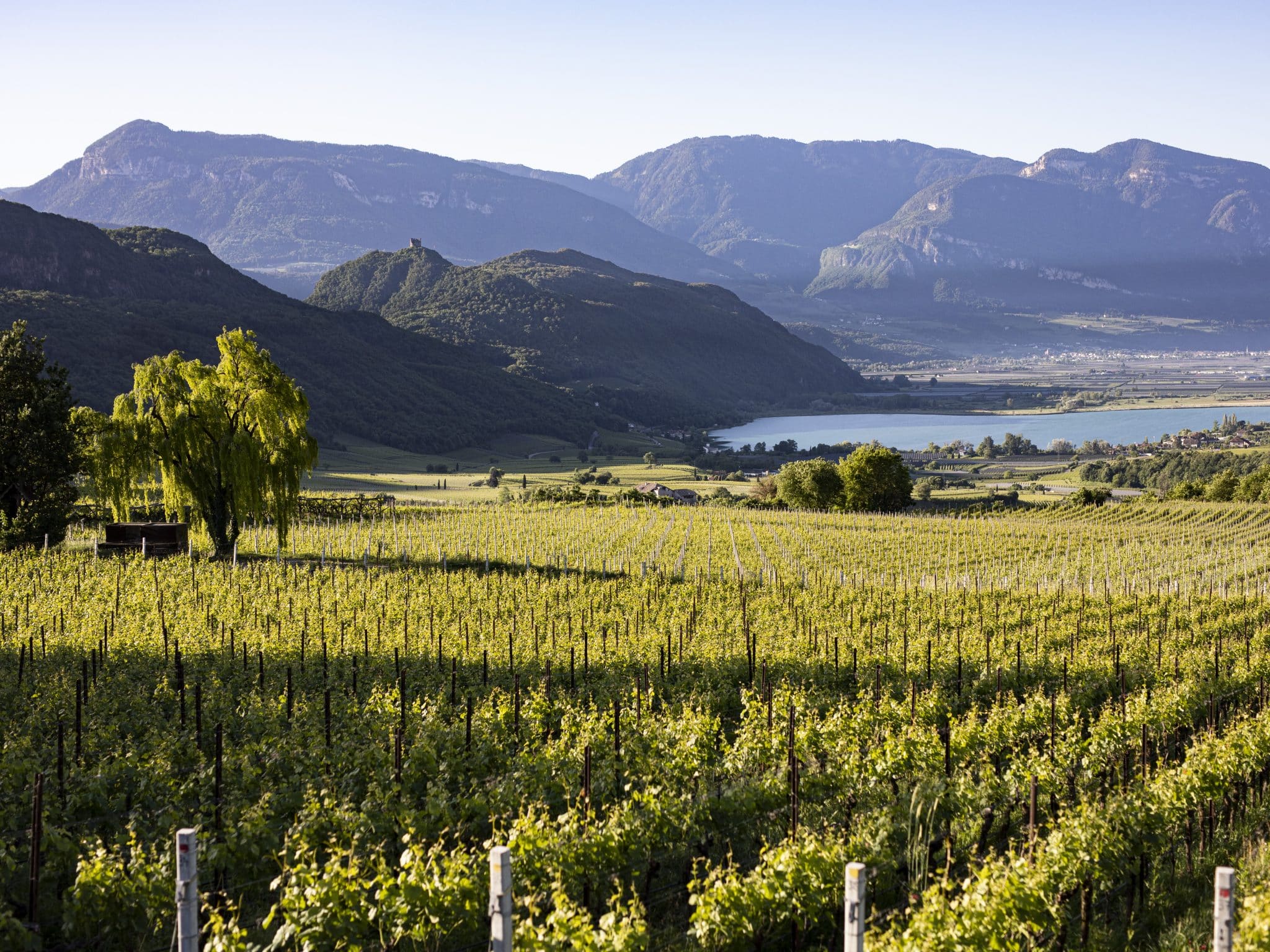
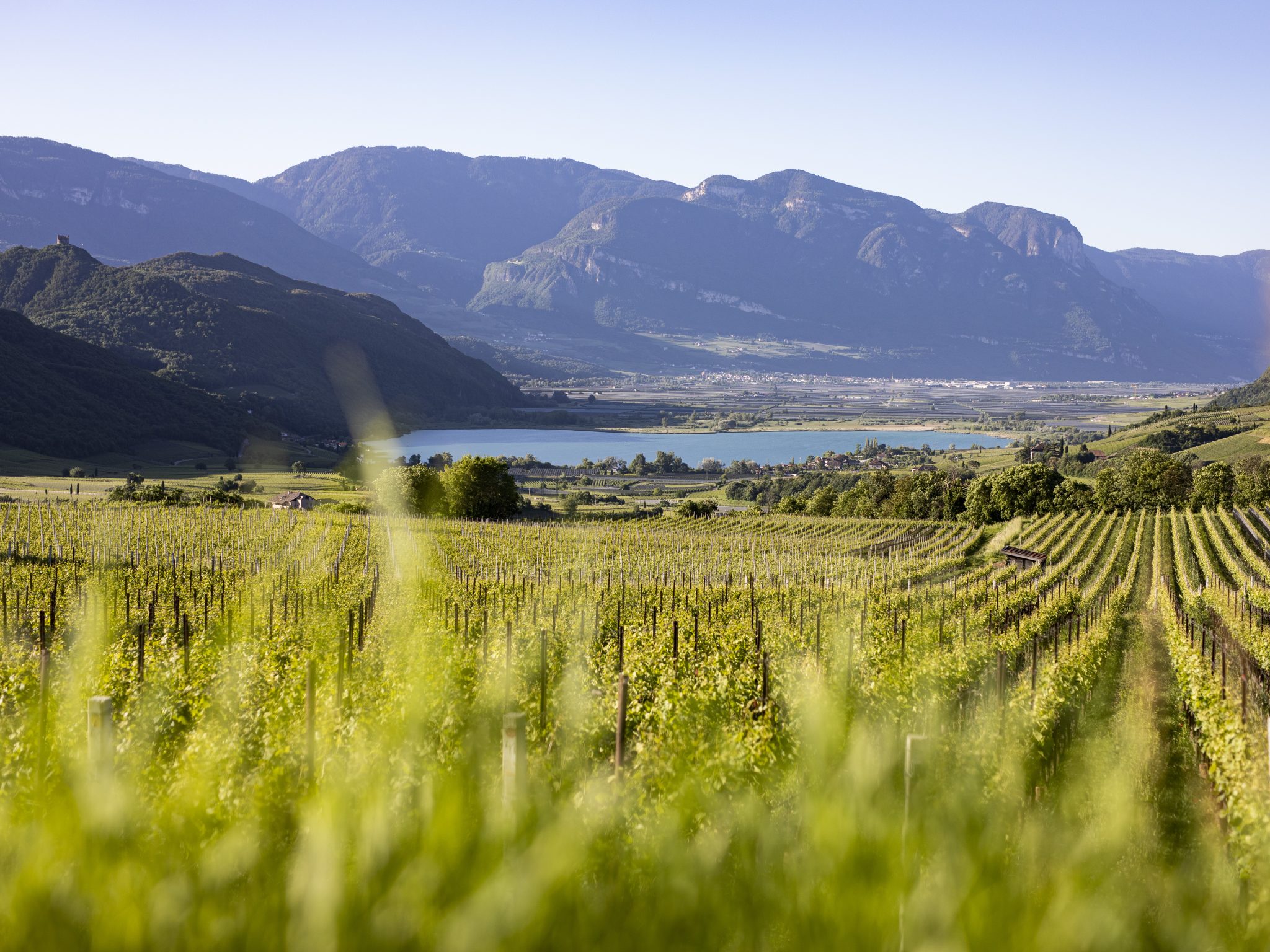
It covers a wide area, between Caldaro and the neighboring municipalities of Appiano, Termeno, Cortaccia, Egna, Montagna, Ora, Vadena, Bronzolo, Nalles, Andriano, and Magrè. In the Caldaro territory, viticulture is concentrated mainly on the hillside slopes of Oltradige and in the areas surrounding the lake. The vineyards are predominantly located between 200 and 500 meters altitude. A landscape marked by the presence of the body of water and climatic conditions favorable to Schiava ripening.
KALTERERSEE INTERPRETATIONS: DRINKABILITY YES, BUT NOT ONLY
The soils are heterogeneous, with a prevalence of morainic, gravelly, and alluvial matrices. Elements that contribute to defining the Kalterersee style, based on finesse and lightness. Among the relevant localities in the municipality of Caldaro are some Additional Geographic Units (UGA) recently identified by the Consorzio Vini Alto Adige: Plantaditsch, Feld, Barleit, and St. Josef, which join Girlan, Girlan-Gschleier, Huberfeld, Missian, Putznai, Eggen, Margreid-Leiten, and Feld in the other South Tyrolean municipalities of the DOC.
A territorial distribution that explains the varied nature of Kalterersee itself, also detectable in the glasses. One can move from the “light” but not banal Kalterersee 2025—almost more a “full-bodied rosé” than a “light red”—from wineries like Niklas, to much more layered and complex wines like those from Manincor, from single cru, or from Tenuta Andi Sölva, which favors full ripening on the vine. In between, the innovative style of estates like Tenuta Klosterhof, which uses the whole cluster technique, often associated with grape varieties like Pinot Noir or Gamay.
THE LONGEVITY OF FUTURE SCHIAVA
Wines that, precisely because of an interpretation increasingly focused on drinkability and less on extraction and opulence, call into question the very longevity of “future Schiava.” An element well demonstrated by the dive into old vintages taken with sommelier Eros Teboni during the Kalterersee 2026 Preview.
Here, most of the 2016 and 2018 Kalterersee proved still alive, dynamic. Proof that the grape variety can stand up well to time, even if the market today—and Caldaro would do well to take note—speaks of a search for greater immediacy even in Barolo and Montalcino (whatever the critics of critics who say the opposite of those critics may say).
SCHIAVA IN SOUTH TYROL: A GRAPE VARIETY BETWEEN HISTORY AND SURFACE REDUCTION
In this context, Schiava remains a pillar of South Tyrolean viticulture, albeit in sharp decline. From post-war peaks, when it represented about 68% of vineyard area, today it stands at around 8%, with approximately 545 hectares cultivated. Despite the contraction, the variety maintains a concentrated presence in historic areas: Lago di Caldaro and Santa Maddalena, which together represent the majority of surfaces.
The agronomic characteristics—high yields, late ripening, adaptation to pergola—have historically favored extensive production. Today, yield reduction and selection of the most suitable sites are contributing to a qualitative reinterpretation of the grape variety.
CALDARO VS SANTA MADDALENA: TWO INTERPRETATIONS OF SCHIAVA
The distinction between Lago di Caldaro and Santa Maddalena remains central to understanding South Tyrolean Schiava. In the case of Caldaro, the wine is characterized by lighter color, light structure, very delicate tannins, and a fine, discreet aromatic profile. Santa Maddalena instead presents more intense color, greater structure, more evident tannins, and possible contribution of Lagrein in the final blend.
This difference is not only technical but territorial. The Bolzano basin of Santa Maddalena, warmer, favors more complete ripening and therefore fuller wines. Caldaro, influenced by the lake, instead maintains a fresher and more immediate style.
THE CULTURAL ROLE OF SCHIAVA IN CALDARO
In Caldaro, Schiava is not just a grape variety but an identity element. “Schiava—as emphasized during the Kalterersee 2026 Preview by Sighard Rainer, president of Wein.Kaltern and the Caldaro Tourist Association—is a native grape variety that firmly shapes our traditions and our daily life. And, thanks to the characteristic pergolas, our landscape as well.”
The pergola training system, still dominant, contributes decisively to the visual sculpting of the landscape and the style of the wines, primarily ensuring shading and protection of the clusters. A fundamental element in building the positioning of Kalterersee DOC among contemporary-style red wines characterized—for now—by an often highly enviable quality-price ratio.