IN BREVE
- Barolo is changing due to climate change, with more delicate grapes and adapted winemaking practices.
- Maurizio Anselma of the Famiglia Anselma winery emphasizes the importance of maintaining Barolo’s identity, even with balanced and elegant wines.
- Vineyard management is evolving, with more shading and attention to the health of plants under severe climate stress.
- New vintages, such as 2022 and 2023, promise refined Barolos, but the challenge is maintaining aging potential.
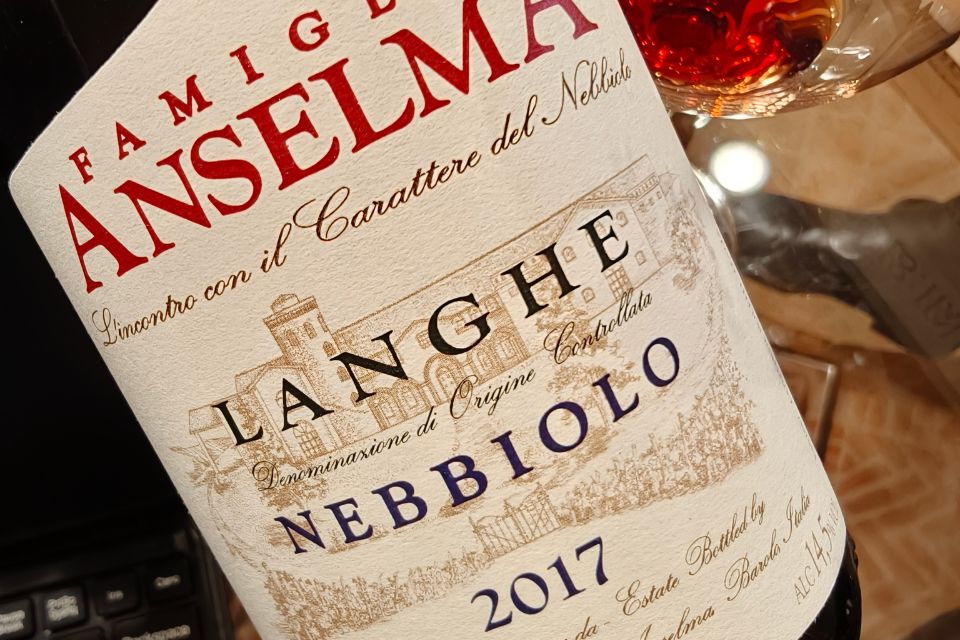
- The Famiglia Anselma range also includes a Langhe Nebbiolo designed to introduce the territory: a calling card for the Langhe style.
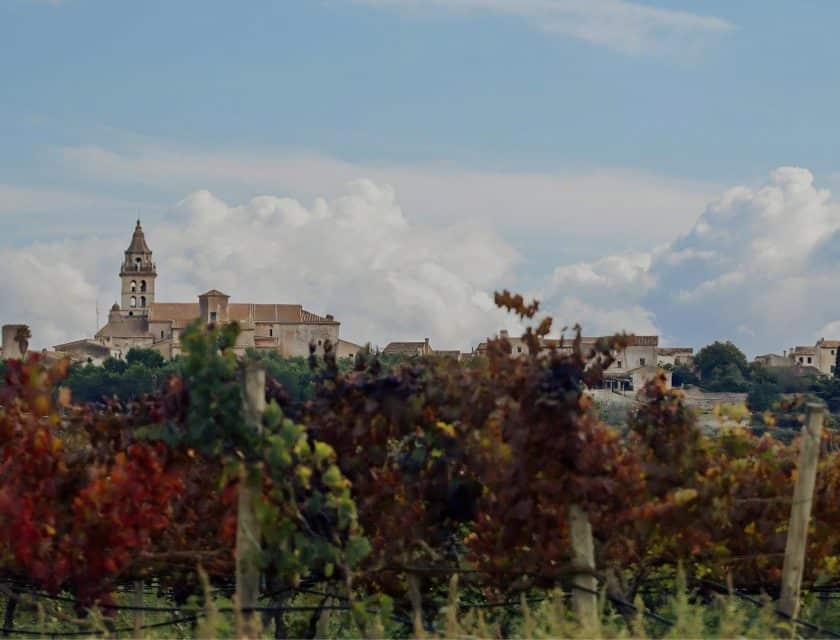
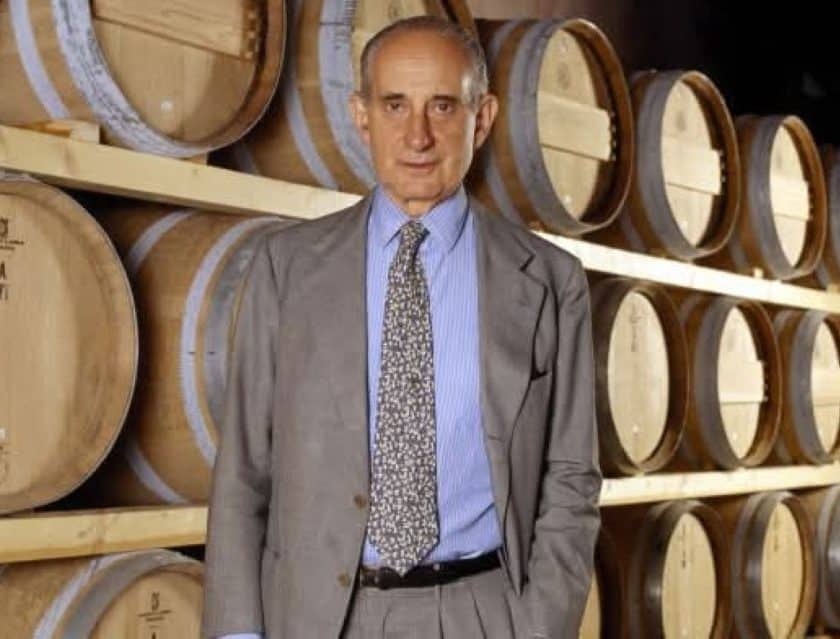
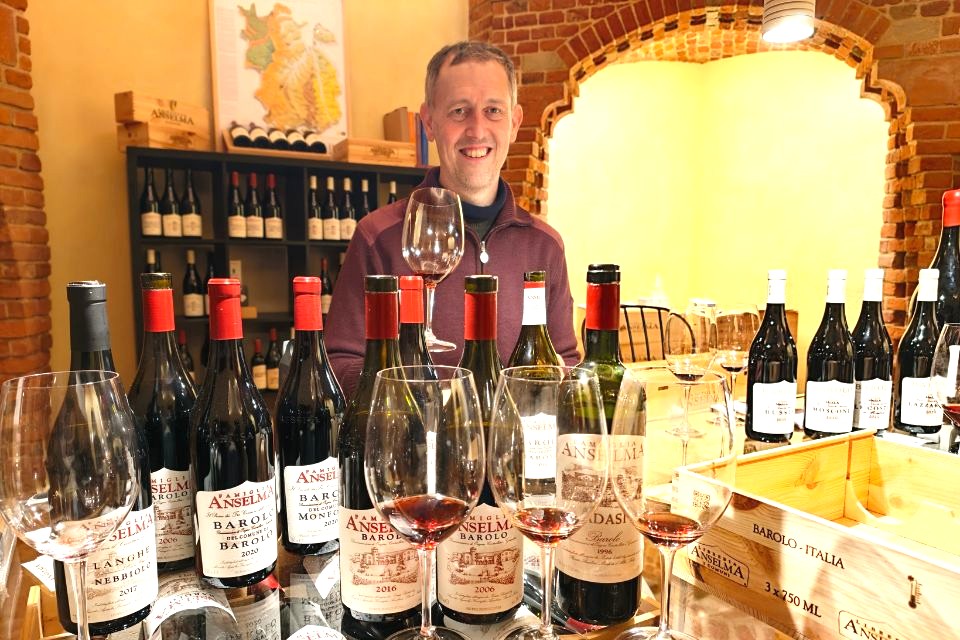
Barolo is changing. Not by market choice. But by necessity. This is according to Maurizio Anselma, owner of the Famiglia Anselma di Barolo winery, who has been observing the effects of climate on Langhe viticulture for years. Higher temperatures, varying vintages, and more delicate grapes are pushing producers to review agronomic practices and winemaking techniques. The goal, according to Anselma, is to maintain Barolo’s identity and its aging potential, but with a style that is more balanced and consistent with the new climate conditions.
BAROLO AND CLIMATE CHANGE: MORE DELICATE GRAPES AND NEW BALANCES
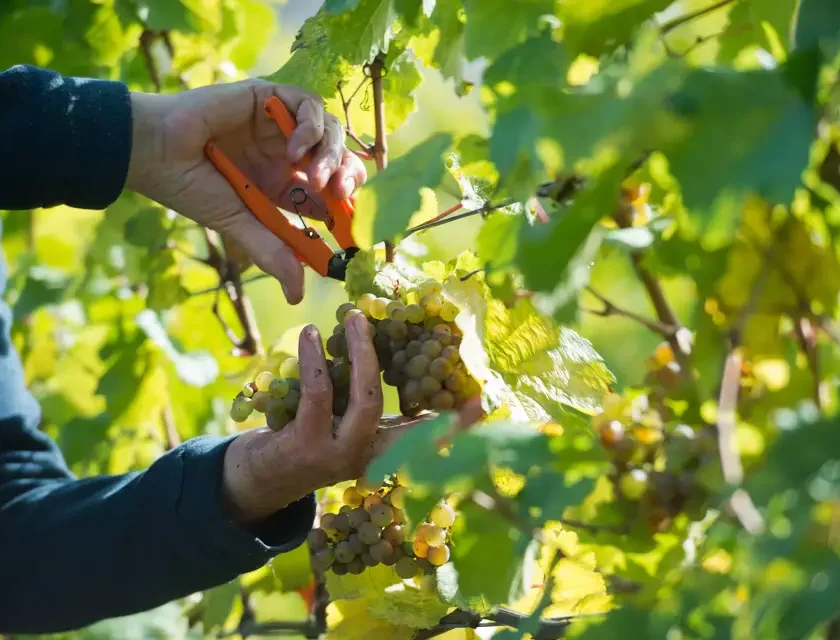
“After 2021,” Anselma explains, “we are getting much more delicate grapes. This means that the aging process must also adapt.” The change mainly concerns the structure of the Nebbiolo. The grapes have less robust tannins than in the past and require more attention during the winemaking phase. For this reason, some traditional practices are being revised.
“Less maceration is needed. Even a few days less can make a difference,” explains the producer. “Much more attention must be paid to the time spent in wood and the size of the barrels.” According to Maurizio Anselma, the main risk is overpowering the wine with oak. “It will be easy to tell if a producer has worked well or not: when the wood dominates and you can no longer sense the fruit and tannin, it means something didn’t work.”
FROM SUN TO PROTECTION: HOW WORK IN THE VINEYARD IS CHANGING
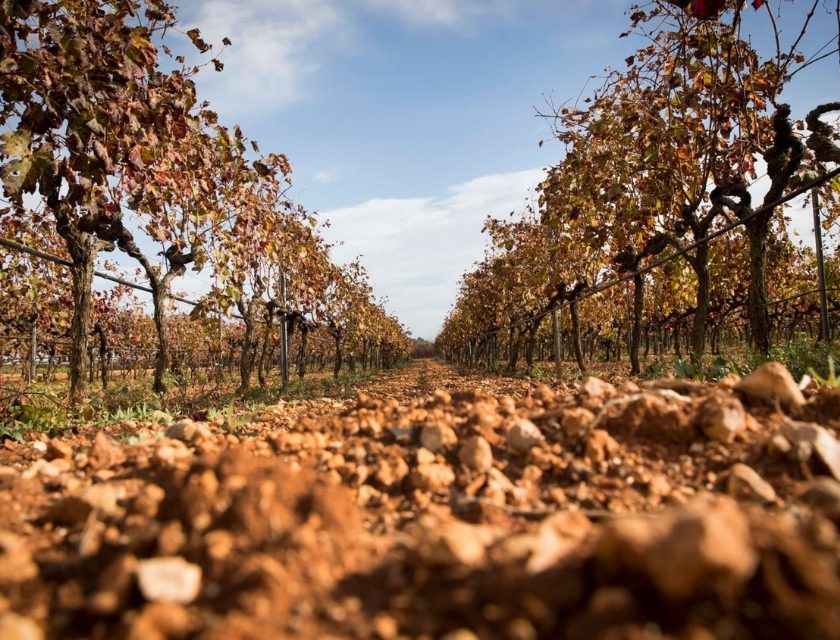
The change doesn’t just involve the cellar. Work in the vineyard is also transforming. “Once we looked for the sun. Today we have to protect the grapes from the sun,” observes Anselma. Canopy management therefore becomes central. More leaves, greater shading, and a more significant presence of grass between the rows to preserve soil moisture. These are all choices aimed at limiting the water and thermal stress of the plants.
According to the owner of Famiglia Anselma, in recent years the vineyards have been experiencing “unprecedented pressure.” “Heat, drought, and increasingly confused seasons,” he specifies, “are putting the plants under stress. And the worst consequence is that many vines are dying.”
MORE ELEGANT VINTAGES, BUT LONGEVITY REMAINS THE CHALLENGE
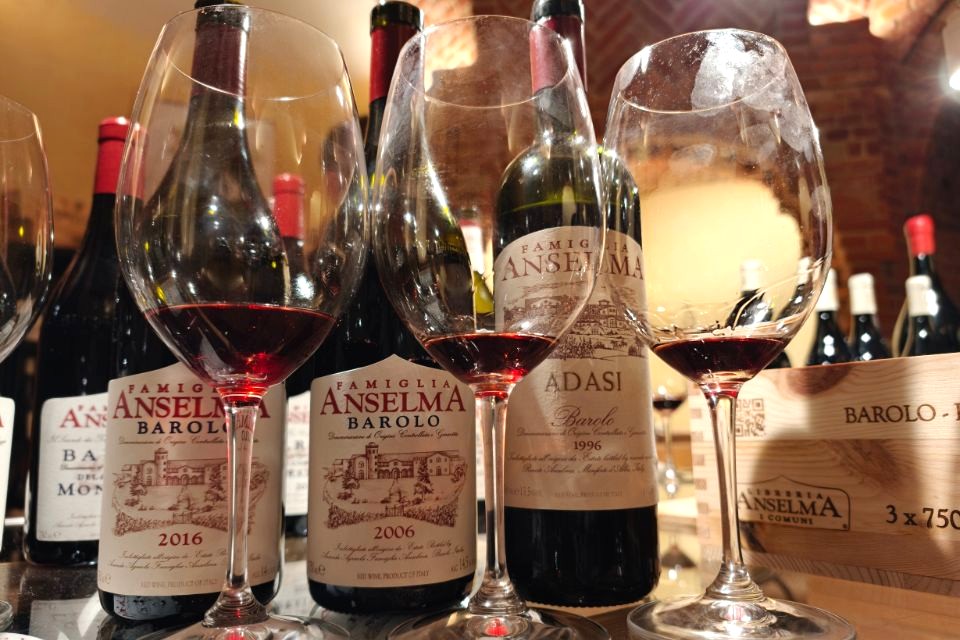
The positive side, according to Anselma, is that more recent vintages are producing finer and more elegant Barolos. “2022, 2023, and probably 2024 will yield very elegant and approachable wines,” he explains. But this evolution opens up a new challenge: aging potential. “It will be more difficult to produce wines with very long evolution. We will have to change our approach if we want to keep the Barolo life curve as long as possible.”
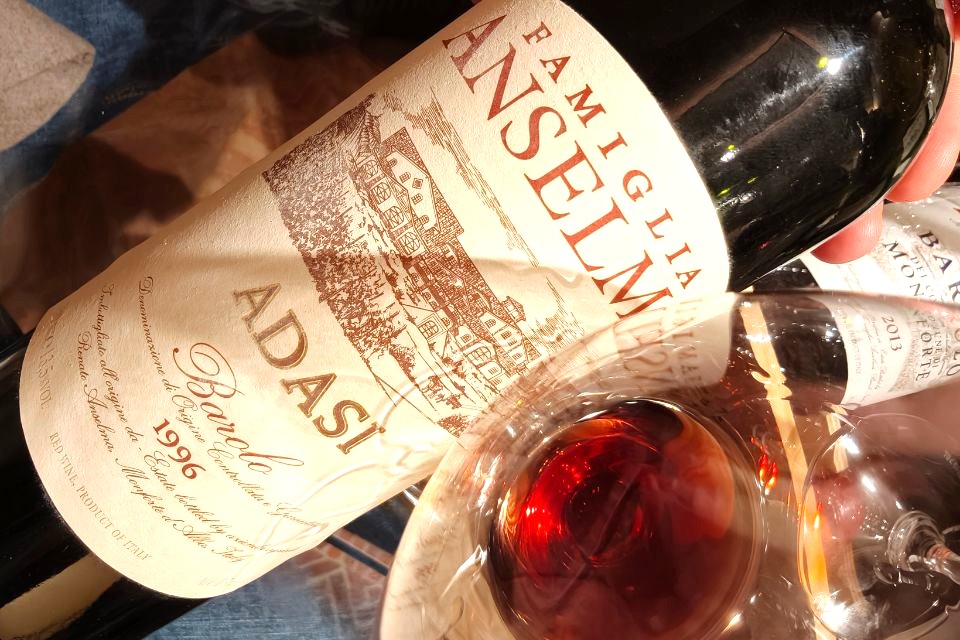
Anselma cites the 1997 vintage as an example of a Barolo capable of withstanding time. “When I open a bottle from ’97, often nothing else needs to be said. It is proof of what longevity means.” The future, according to the producer, does not involve giving up this identity. “We will continue to produce age-worthy wines, but we must adapt.”
COOLER EXPOSURES BECOME STRATEGIC
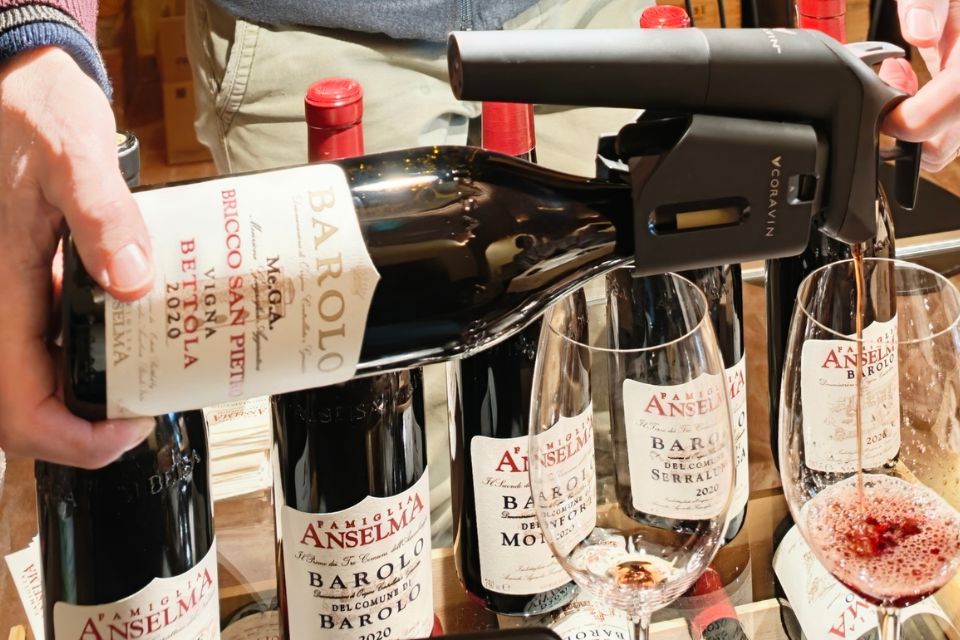
The choice of vineyards is also taking on an increasingly important role. The case of Famiglia Anselma’s Barolo Bricco San Pietro Vigna Bettola is emblematic. It is a vineyard with an East North-East exposure.
“Today,” Maurizio Anselma emphasizes, “many Barolo excellences can also come from cooler exposures. These are vineyards that allow for the maintenance of balance and freshness.” In a warmer climate context, sites traditionally considered “cold” thus become fundamental resources for preserving Nebbiolo’s identity. However, the North slope remains closed off, despite pressure from some producers during 2024.
LANGHE NEBBIOLO: THE “LITTLE BAROLO” TO BRING CONSUMERS CLOSER
Alongside the Barolos, the Famiglia Anselma winery also offers a Langhe Nebbiolo designed as an introduction to the territory. “We call it a little Barolo,” says Anselma. “It comes from vineyards in Monforte and Serralunga,” explains the winery owner, “and it is a Nebbiolo still designed for aging.”
The wine matures for about a year in wood and continues aging in steel and bottle. The goal is to offer an accessible Nebbiolo that is representative of the Langhe style. “A way to bring people closer to the area without making everything too demanding,” explains the producer.
THE NEW TASTING CASE
Among the winery’s new releases is a new case available from January 2026. The project was created to tell the story of the territory through different interpretations of Nebbiolo and Barolo, allowing for both vertical and horizontal tastings across vineyards and vintages.
According to Anselma, the ideal journey to get to know the territory can start right from the Langhe Nebbiolo and continue with the winery’s various Barolos, up to the single-vineyard selections. A way to better understand the nuances of the Langhe and the transformations taking place in the territory’s symbolic wine.
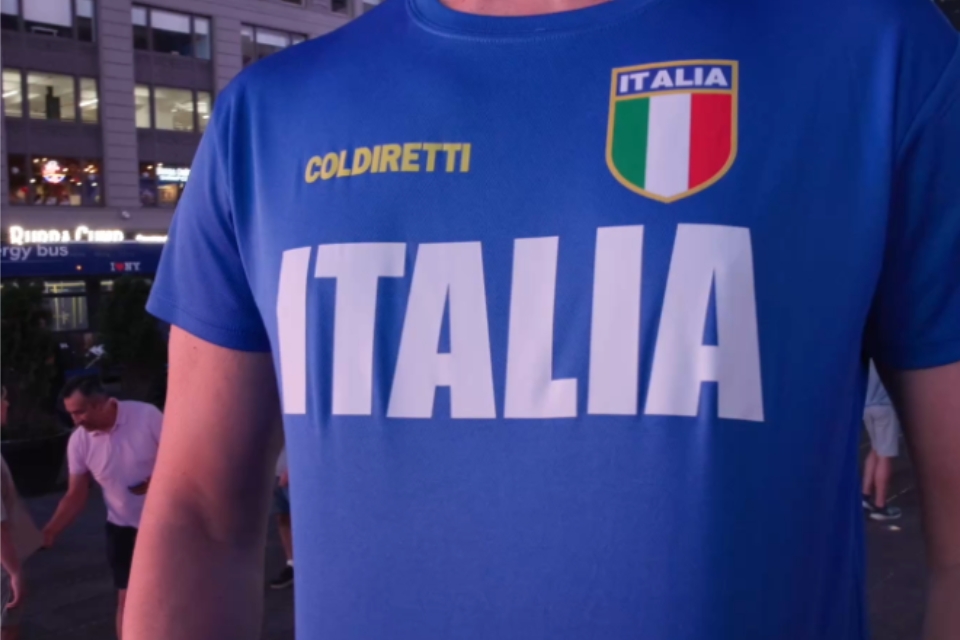
World Cup, Coldiretti Launches the Italian Wine National Team in New York
IN BREVE The “Italian wine national team” promotes wine as an ambassador of Made in Italy during the Summer Fancy Food in New York. Coldiretti uses a soccer metaphor to represent Italian wine denominations and the cultural message linked to them. The campaign emphasizes the importance…
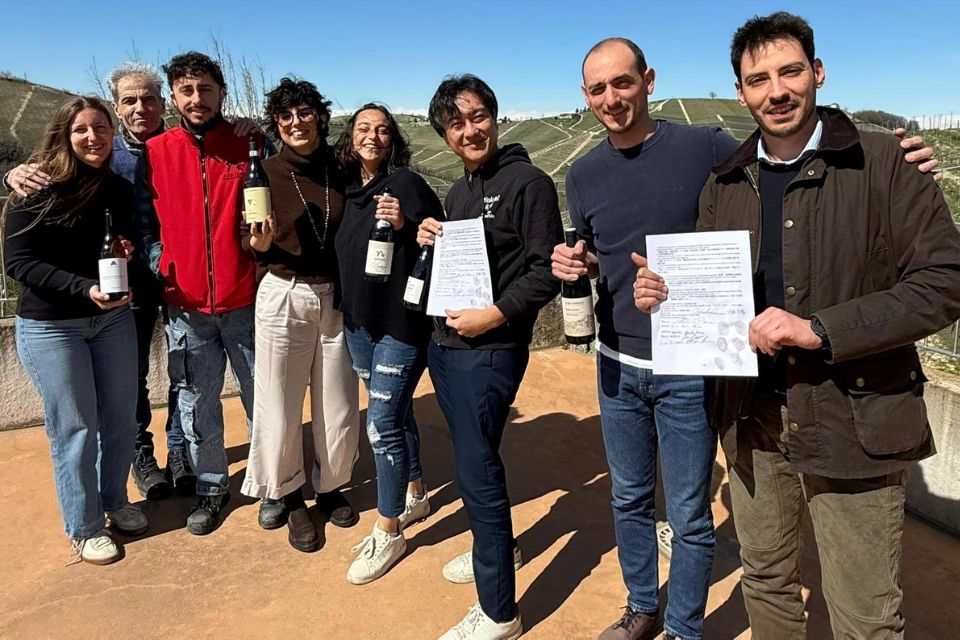
Langhe: Pact with Yoichi, the new frontier of Japanese wine
IN BREVE A memorandum of understanding was signed in Neviglie between five Piedmontese producers and the Yoichi district in Japan. The “Langhe – Yoichi Alliance” promotes the exchange of expertise on topics such as sustainability and wine innovation between the two areas. Yoichi, an emerging player…

Mosaico Langhe Doc: The best tastings from Nebbiolo to Sauvignon
IN BREVE Over the years, Langhe Doc has become a fundamental denomination for interpreting Langhe and Roero. The Doc offers great versatility, allowing producers to use both native and international grape varieties. The Langhe hills, a UNESCO World Heritage site, guarantee a vast geological variety, reflected…
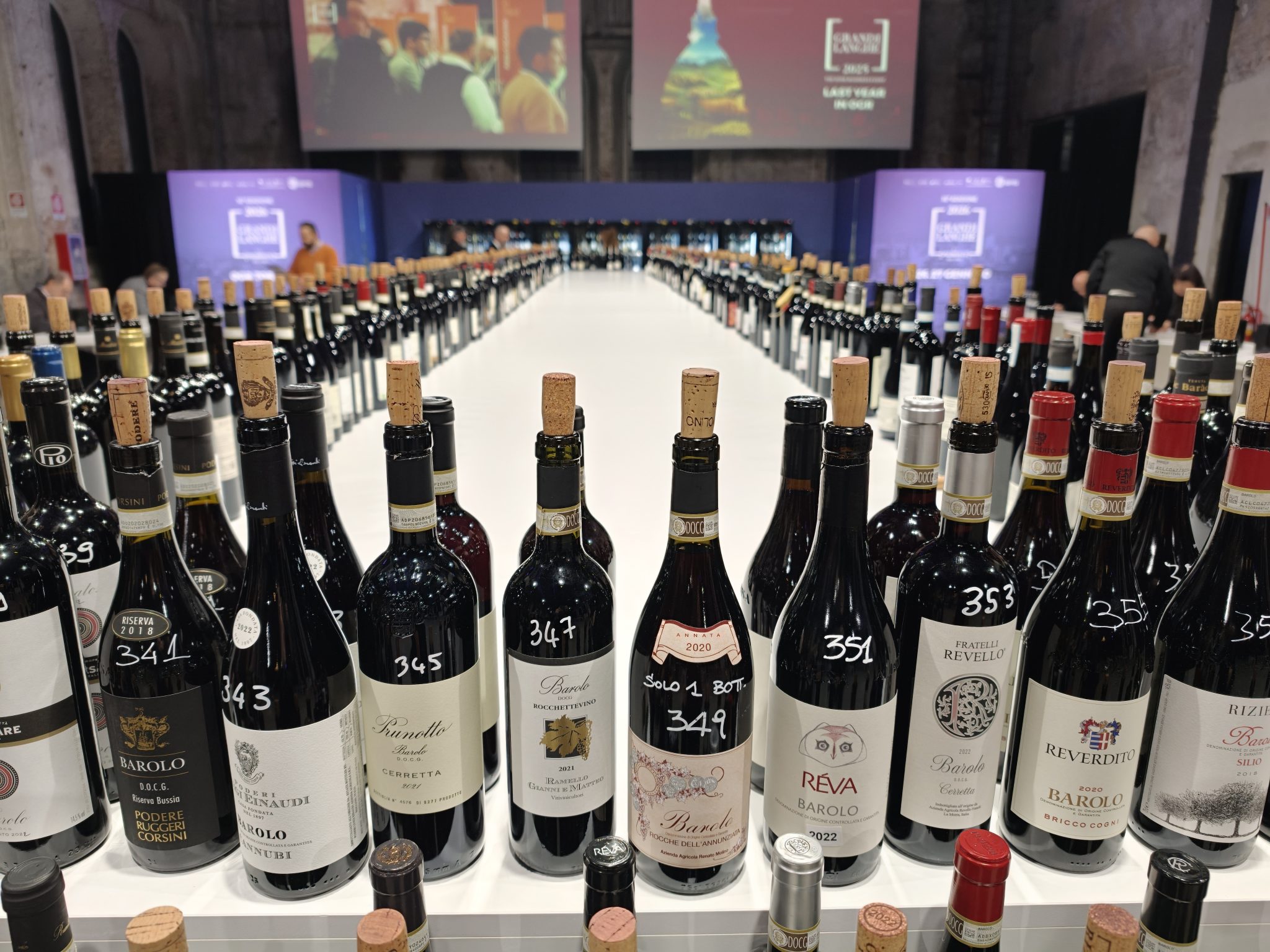
Best Barolo 2022: Winemag scores | Grandi Langhe 2026
IN BREVE The presentation of the best Barolo 2022 at Grandi Langhe 2026 marks the debut of an anticipated vintage characterized by extreme weather conditions. The 2022 harvest saw high temperatures and low rainfall, with early ripening of the Nebbiolo grapes for Barolo. The sugar-to-acidity ratio…
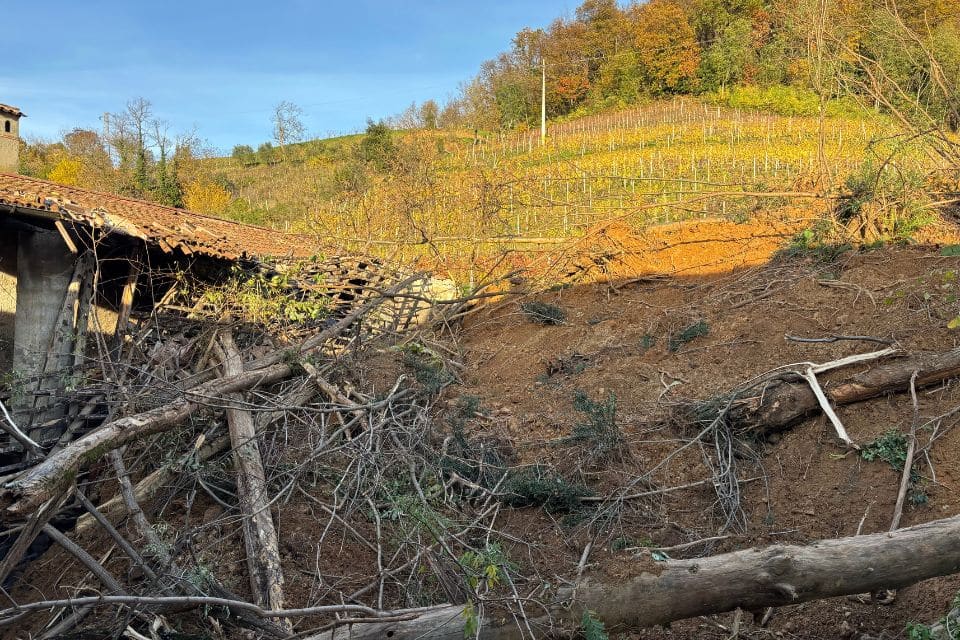
Bulldozers on Ronco della Chiesa, a monument-vineyard of Collio Friulano?
IN BREVE The Ronco della Chiesa vineyard is threatened by bulldozers following a landslide that hit Brazzano di Cormons in November 2025. The landslide caused deaths and extensive damage, destroying buildings and the Borgo del Tiglio winery, led by winemaker Nicola Manferrari. Ronco della Chiesa represents…

Red wine crisis? Sergio Germano: “Barolo and Barbaresco are keeping up with the times”
IN BREVE The red wine crisis does not worry Barolo and Barbaresco, which show a slight decline in numbers but with signs of stability. The 2022 Barolo is more approachable and promises a new interpretation without losing the variety’s identity, thanks in part to climate change….

Grandi Langhe 2026 at OGR Torino on January 26 and 27
IN BREVE Grandi Langhe 2026 will take place on January 26 and 27, 2026 at OGR Torino, focusing on the new vintages of Barolo, Barbaresco and Roero. The event includes tastings reserved for trade professionals, press and industry experts, with the participation of producers from all…

The 2025 vintage according to Gaja: reduced quantities, slow ripening, and structured wines
IN BREVE The 2025 harvest in the Langhe shows a clear profile, with production limited by 20-30% compared to 2024. The 2025 wines display concentration, significant structure, and balance, with characteristics similar to the 2004 wines. Bad weather struck in September and October 2024, while pruning…
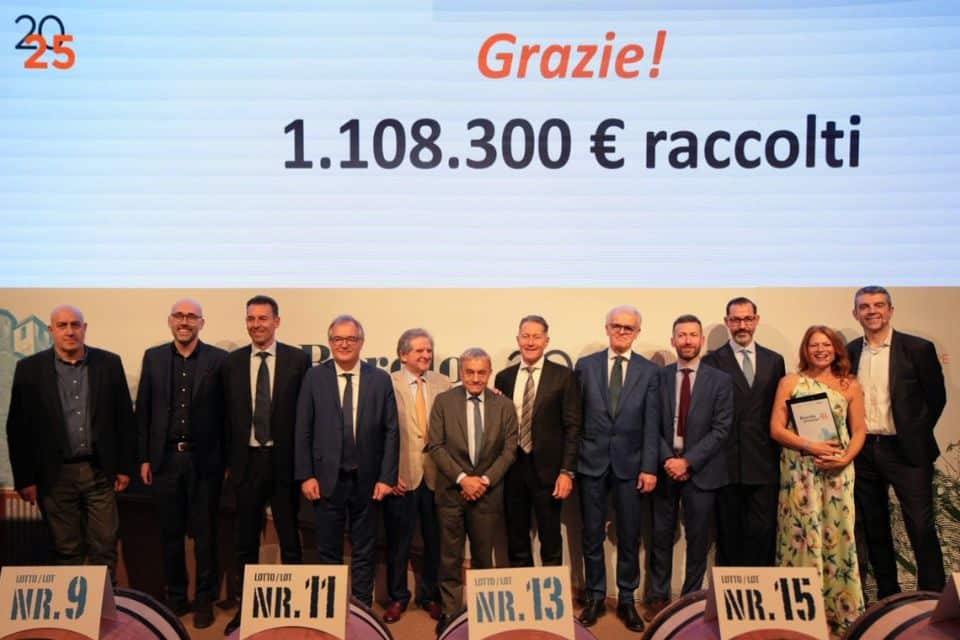
Barolo en Primeur 2025 exceeds one million euros: record auction in the Langhe
IN BREVE Barolo en Primeur has raised €1,108,300 for social and cultural projects, surpassing €4.5 million since 2021. The auction put 5,525 liters of Barolo and Barbaresco under the hammer with participation from Italy, the USA, and the UK. Each lot supports charitable initiatives, and some…
Winemag Guide 2026: Wineries and Wines of the Year. The Keyword is “Authenticity”
Time for announcements for the Winemag Guide 2026, which once again brings together the best Italian wines and the best wineries in Italy, selected through a rigorous blind tasting. A work of analysis and comparison that rewards territorial identity beyond commercial potential, capturing the state of…
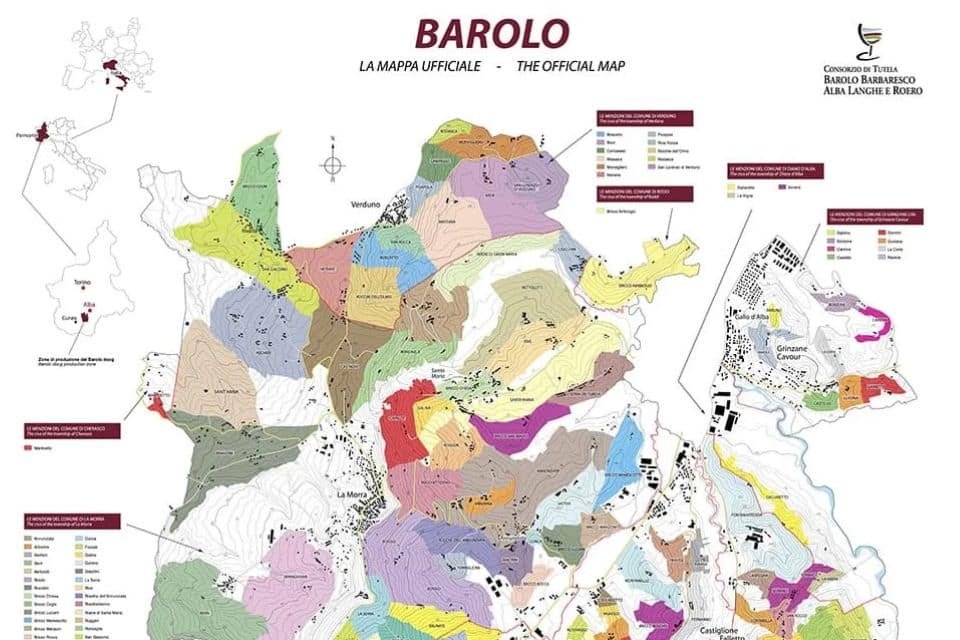
Barolo MGAs: How much do they impact price and the market?
IN BREVE Barolo’s Additional Geographical Mentions (MGA), introduced in 2010, allow for the identification of specific sub-zones within the territory. MGAs offer an opportunity to distinguish micro-terroirs, but they can also create confusion for less experienced consumers. The Barolo market has seen price fluctuations, with some…