IN BREVE
- Wine provides “empty calories” and can influence the metabolism of other foods.
- Alcohol is metabolized as a priority, favoring the accumulation of fats and sugars in the body.
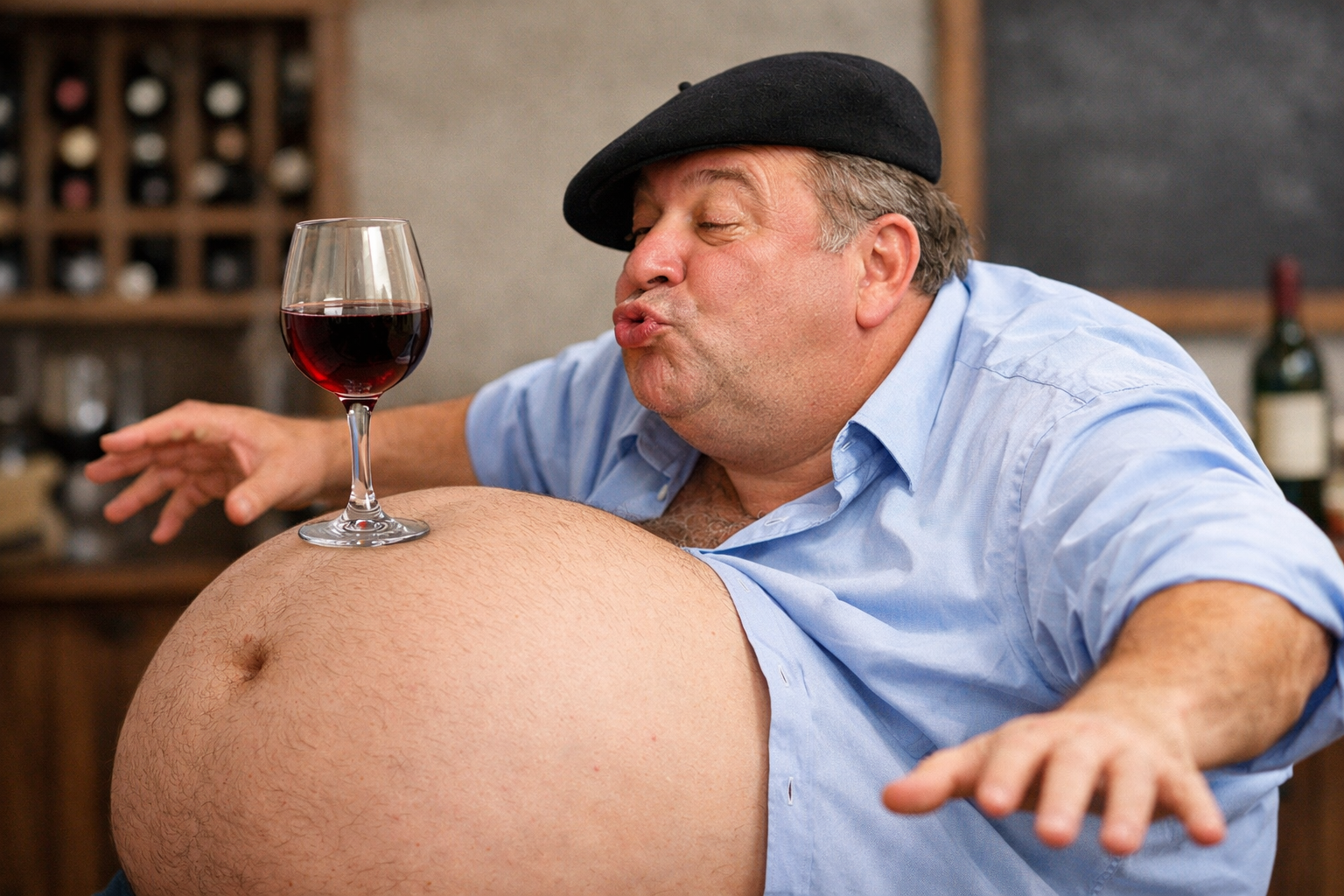
- Regular wine consumption can contribute to an increase in fat mass, especially abdominal fat.
- Even industry professionals, due to micro-intakes of alcohol, can experience weight gain.
- Wine is not metabolically neutral and requires conscious consumption to avoid negative effects.
The relationship between wine and weight gain is one of the most debated—and often simplified—topics when talking about alcohol and health. For many consumers, wine is perceived as less “dangerous” than other alcoholic drinks. For industry professionals, however, it is often a daily work companion, especially in tasting contexts. But does wine really make you gain weight? And, above all, how does it affect metabolism?
To answer this, it is necessary to move beyond purely caloric logic and look at the physiological effects of alcohol, as nutritionist biologist Umberto Rossi explains to Winemag. The premise is illustrative: “Those in wine—he explains—are ’empty calories’, meaning calories not supported by nutrients. Wine provides energy, with calories from alcohol and sugars. But almost no useful nutrients (proteins, fibers, vitamins, or minerals): therefore, calories that ‘fill’ but do not nourish.”
THE “EMPTY CALORIES” OF WINE
A glass of wine provides an average of between 70 and 90 calories, depending on the alcohol content and residual sugar. A value that, taken in isolation, may seem modest. However, alcohol has a unique characteristic: it provides energy without nutritional value and is metabolized with priority over other macronutrients.
“The body—explains Umberto Rossi—considers alcohol a toxic substance to be disposed of quickly. When we drink wine, the liver temporarily stops the oxidation of fats and sugars to focus on eliminating the alcohol. This favors the accumulation of nutrients introduced with the meal.” In other words, the problem is not just how many calories wine provides, but how it interferes with the metabolic fate of other foods.
ALCOHOL AND FAT ACCUMULATION: THE ROLE OF METABOLISM
Several studies indicate that regular alcohol consumption can promote an increase in fat mass, particularly at the abdominal level. An effect known especially among those who consume wine frequently. Even in moderate amounts.
“Alcohol stimulates lipogenesis and reduces the body’s ability to use fats as an energy source,” observes Rossi. “Over time—he continues—this mechanism can contribute to weight gain, especially if associated with a sedentary lifestyle.” It is not, therefore, an immediate weight gain, but a gradual process, often underestimated. Which can become evident in the medium-to-long term.

Dealcoholized wine: less alcohol but is more sugar better?
IN BREVE Dealcoholized wines may appear lower in calories, but they often contain more sugar than traditional dry wines. The sugar content can exceed that of many dry wines, so ‘alcohol-free’ does not automatically mean ‘fewer calories’. Removing alcohol affects the structure and flavor of the wine, leading to the need…

Wine without love handles: fiber, protein, carbohydrates in the right order
Does wine affect the so-called “love handles”? The short answer is yes, but the point is not just how many calories a glass of wine provides. The metabolic context in which it is consumed matters. In Winemag’s “Alcohol and Health” column, nutritionist biologist Umberto Rossi explains why the order in which…

No-Low Alcohol: Market to Grow 37% by 2027. The Good Culture Report
IN BREVE The No/Low alcohol segment is growing at double-digit rates and becoming a structural category in the global beverage industry. By 2027, it will represent 4% of global volumes, thanks to over 60 million new consumers seeking non-alcoholic options. Producers face the challenge of replacing the structural function of alcohol…
DRY WINE, SWEET WINE, OR SPARKLING WINE: DOES IT MAKE A DIFFERENCE?
From a caloric point of view, a difference between wine types exists, but it is not always decisive. Wines with higher residual sugars provide more energy. Even a dry wine with high alcohol content can still have a significant impact.
“The determining factor—clarifies nutritionist biologist Umberto Rossi—remains the alcohol. Sugar matters, but it is ethanol that most markedly modifies metabolism. Even those who consume only dry wines can experience weight gain if consumption is habitual.” In this sense, the distinction between “light” wine and “structured” wine is less relevant than one might think when talking about overall energy balance.
TASTINGS AND WORKING IN WINE: A CASE APART
For sommeliers, tasters, buyers, and wine journalists, consumption is not always linked to pleasure, but to the profession. Even when spitting, a portion of the alcohol is absorbed. Especially during repeated sessions.
“Professional tasting exposes one to frequent micro-intakes of alcohol,” emphasizes Rossi. “These quantities, added up over time, can have metabolic effects similar to those of regular consumption, especially if they occur on an empty stomach.” An aspect that explains why many industry operators report weight gain even without perceiving a real dietary excess.
SO, DOES WINE MAKE YOU GAIN WEIGHT?
The answer is not an absolute yes or no. Wine can promote weight gain if consumed regularly, especially in the absence of dietary balance and physical activity. It is not a “neutral” food from a metabolic point of view, even in quantities considered moderate.
“Wine should not be demonized—concludes Umberto Rossi—but it must be placed within a conscious context. Thinking that it does not affect body weight is a mistake, especially in the long run.” An awareness that concerns both consumers and those who work with wine every day.