Does wine affect the so-called “love handles”? The short answer is yes, but the point is not just how many calories a glass of wine provides. The metabolic context in which it is consumed matters. In Winemag’s “Alcohol and Health” column, nutritionist biologist Umberto Rossi explains why the order in which you eat fiber, protein, and carbohydrates can make a difference when the meal includes one or two glasses of wine.
ALCOHOL, CALORIES, AND ABDOMINAL FAT STORAGE
A 125 ml glass of wine provides on average between 80 and 100 kcal, depending on the alcohol content. Two glasses can therefore exceed 180 kcal. Alcohol provides 7 kcal per gram and is metabolized with priority by the liver. During this process, fat oxidation is reduced.
“When we consume alcohol,” explains Umberto Rossi, “the body considers it a substance to be eliminated quickly. As long as the liver is busy metabolizing alcohol, the use of fats as an energy source is reduced. If in the meantime we consume many refined carbohydrates, fat accumulation becomes more likely, especially at the abdominal level.”
“Love handles” are linked to visceral and subcutaneous fat in the hip area. They do not depend only on wine, but on the overall balance between caloric intake, diet quality, and lifestyle.
THE ORDER IN WHICH TO EAT: FIBER, PROTEIN, CARBOHYDRATES
According to Rossi, an often overlooked element is the order of macronutrient intake during the meal. “Starting with fiber, continuing with protein, and finishing with carbohydrates is a simple strategy that helps modulate the glycemic response. Fiber,” emphasizes the nutritionist biologist, consultant to Winemag, “slows gastric emptying and sugar absorption. Protein increases satiety and further stabilizes blood sugar. If carbohydrates come last, the glycemic spike is more contained.”
In practice, this means opening the meal with fiber-rich vegetables (raw or cooked), continuing with a protein source (fish, lean meat, legumes, eggs). And only after that, introducing bread, pasta, or other carbohydrates. Wine can accompany the central part of the meal, preferably during protein consumption. And not on an empty stomach.
WINE ON AN EMPTY STOMACH AND METABOLIC RISK
Consuming wine without food accelerates alcohol absorption and can promote a greater metabolic impact. “Drinking on an empty stomach,” explains Rossi, “exposes you to more rapid peaks in blood alcohol levels and can increase the risk of uncompensated caloric excess. Within a balanced meal, with adequate fiber and protein, absorption is more gradual.”
The nutritionist emphasizes that one or two glasses of wine, incorporated into a balanced diet and in a context of regular physical activity, do not automatically lead to an increase in abdominal fat. The problem arises from the association with meals rich in refined carbohydrates, saturated fats, and large portions.
HOW MUCH MEAL QUALITY MATTERS
A practical example: vegetable appetizer, fish or white meat entrée with side dish, a moderate portion of bread or whole grains, and one or two glasses of wine distributed throughout the meal. The metabolic effect of an aperitif with salty snacks, pizza, or desserts accompanied by multiple glasses is different.
“It’s not the single glass,” Rossi points out, “that creates ‘love handles’. It’s chronic caloric excess. Alcohol adds ’empty’ calories, meaning devoid of fiber and micronutrients. That’s why it’s essential that the rest of the meal is structured intelligently.” The nutritionist also invites consideration of frequency: daily consumption, even moderate, can affect the weekly energy balance if not compensated.
MODERATION AND AWARENESS
Italian guidelines indicate low-risk consumption as up to one alcohol unit per day for women and up to two for adult men, to be consumed during meals. One alcohol unit corresponds to approximately 12 grams of alcohol, equal to a 125 ml glass of wine.
“Wine can be part of a balanced lifestyle,” concludes Rossi, “but it must be incorporated into a proper nutritional context. The fiber, protein, carbohydrates order is a simple measure that can help limit metabolic effects, especially when it comes to abdominal fat.”
In summary, reducing the impact of wine on “love handles” does not mean demonizing the glass, but rather organizing the meal better, controlling quantities, and maintaining an active lifestyle.

Dealcoholized wine: less alcohol but is more sugar better?
IN BREVE Dealcoholized wines may appear lower in calories, but they often contain more sugar than traditional dry wines. The sugar content can exceed that of many dry wines, so ‘alcohol-free’ does not automatically mean ‘fewer calories’. Removing alcohol affects the structure and flavor of the wine, leading to the need for additives to balance the…

No-Low Alcohol: Market to Grow 37% by 2027. The Good Culture Report
IN BREVE The No/Low alcohol segment is growing at double-digit rates and becoming a structural category in the global beverage industry. By 2027, it will represent 4% of global volumes, thanks to over 60 million new consumers seeking non-alcoholic options. Producers face the challenge of replacing the structural function of alcohol to avoid flat, complexity-lacking beverages….

When does diet compromise wine judgment?
IN BREVE In the work of wine tasting, nutrition and nutritional status influence the quality of judgment. Skipping meals before a tasting does not improve taste sensitivity and can reduce the ability to concentrate. A balanced diet is fundamental to maintaining cognitive stability during prolonged tastings. Before a tasting, it is useful to consume a meal…

Assoenologi is an official partner of Wine in Moderation
IN BREVE Assoenologi becomes an official Partner of Wine in Moderation, marking an important milestone for the Italian wine sector. The membership reinforces the message of responsibility and moderation, highlighting the central role of oenologists in wine quality. Assoenologi will contribute to training and awareness-raising to promote responsible consumption, while respecting tradition. The collaboration consolidates the…
Does wine make you gain weight? What really happens to your metabolism
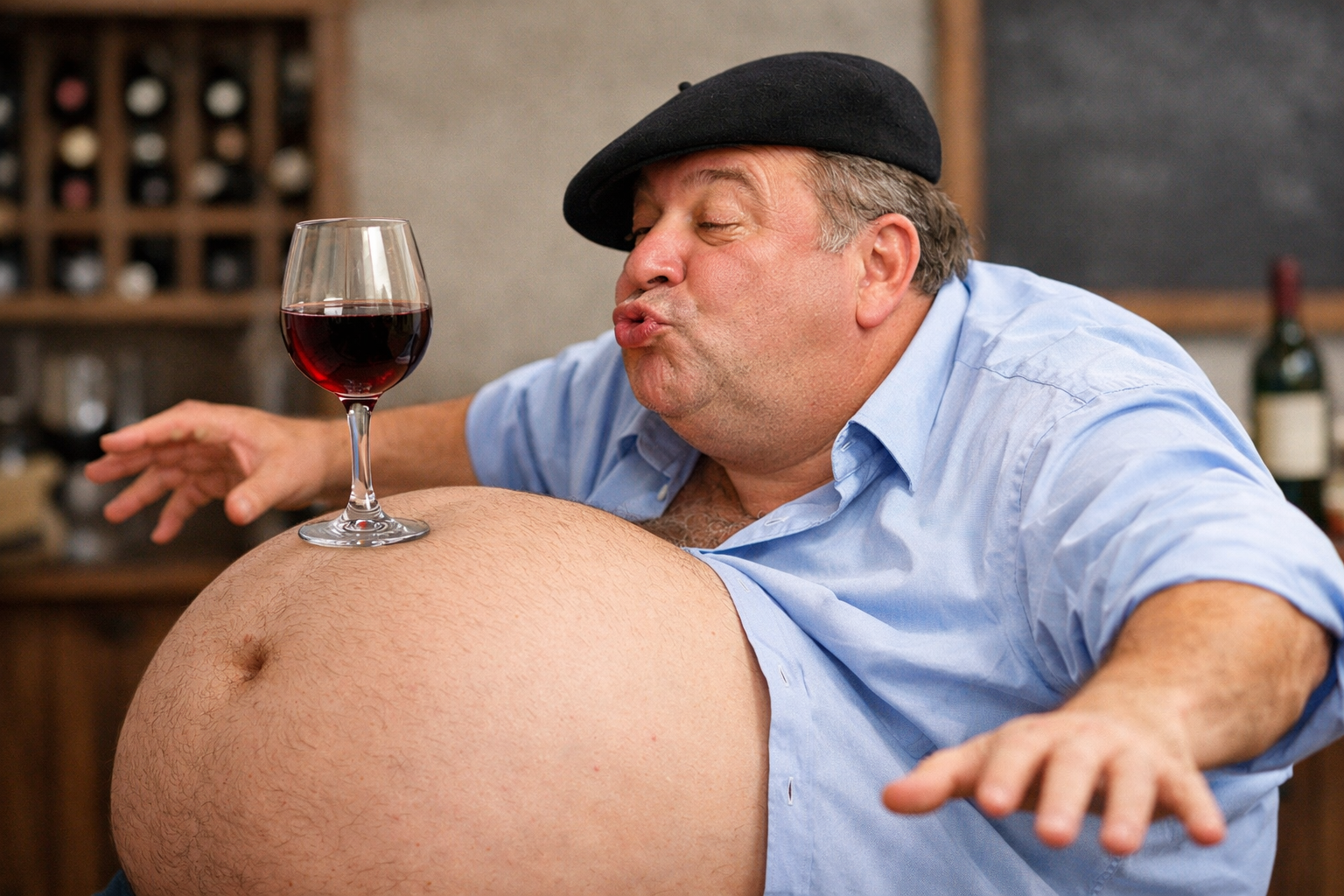
IN BREVE Wine provides “empty calories” and can influence the metabolism of other foods. Alcohol is metabolized as a priority, favoring the accumulation of fats and sugars in the body. Regular wine consumption can contribute to an increase in fat mass, especially abdominal fat. Even industry professionals, due to micro-intakes of alcohol, can experience weight gain….
Breakfast and lunch before a wine tasting: what to eat?
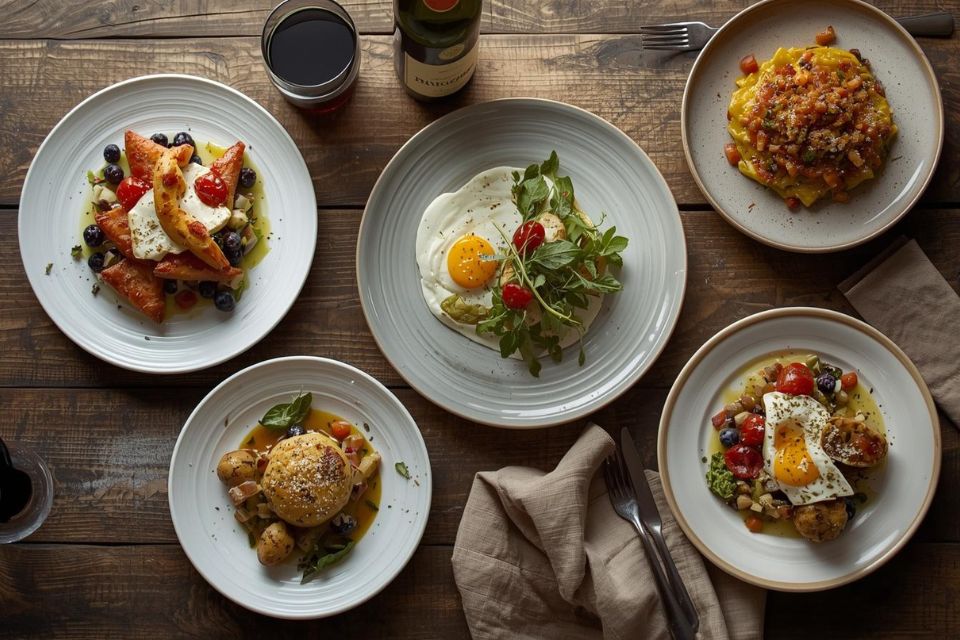
IN BREVE Managing nutrition is crucial for wine professionals before a tasting. A balanced meal slows down ethanol absorption and improves mental clarity and physical endurance. Breakfast should include whole grains and a light protein source, avoiding aromatic foods. Lunch must be nutritious yet easily digestible, featuring low-glycemic carbohydrates and lean proteins. Eating 90–120 minutes before…

Wine professionals and health: How to avoid the “taster’s belly”?
IN BREVE Why calorie management is a matter of health and performance for professional tasters. For wine professionals, managing calories is crucial for health and sensory performance. Wine provides 7 kcal per gram, and it is important to consider this in your daily diet. Alcohol provides no essential nutrients and can lead to an unconscious calorie…