IN BRIEF
- Radix 2021 by Casale del Giglio received a gold medal at the Mondial des Vins Extrêmes 2026, raising doubts about its eligibility according to the competition requirements.
- The regulations stipulate that wines must come from vineyards with specific altitude or slope conditions; however, Radix does not meet these criteria.
- On what basis did Cervim award this wine, taking away the gold quota (maximum 30% of entered wines) from other samples?
- The awarding of medals to ineligible wines is a central point for winemakers excluded from the medal table.
- The case once again brings up the issue of Cervim’s compliance with OIV guidelines, having also distributed “evaluation certificates” that do not comply with regulations.
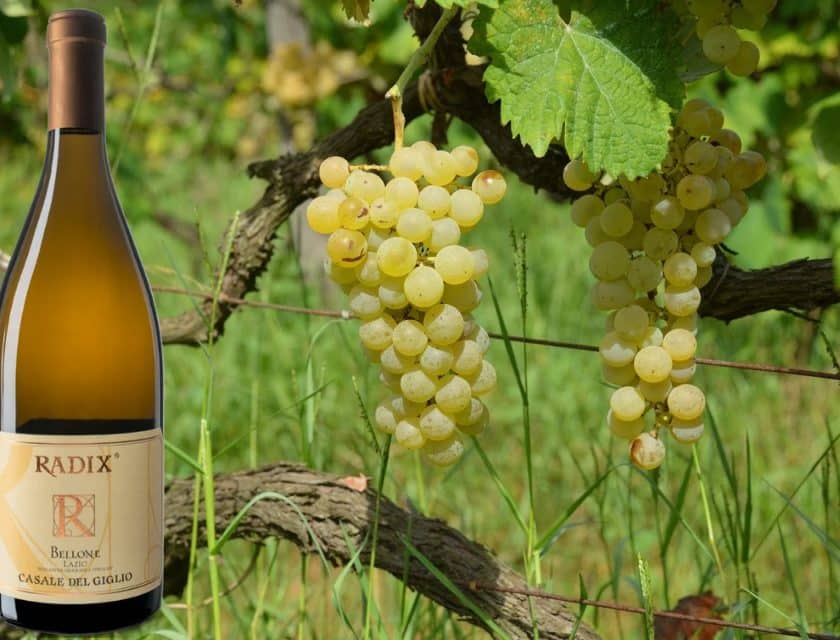
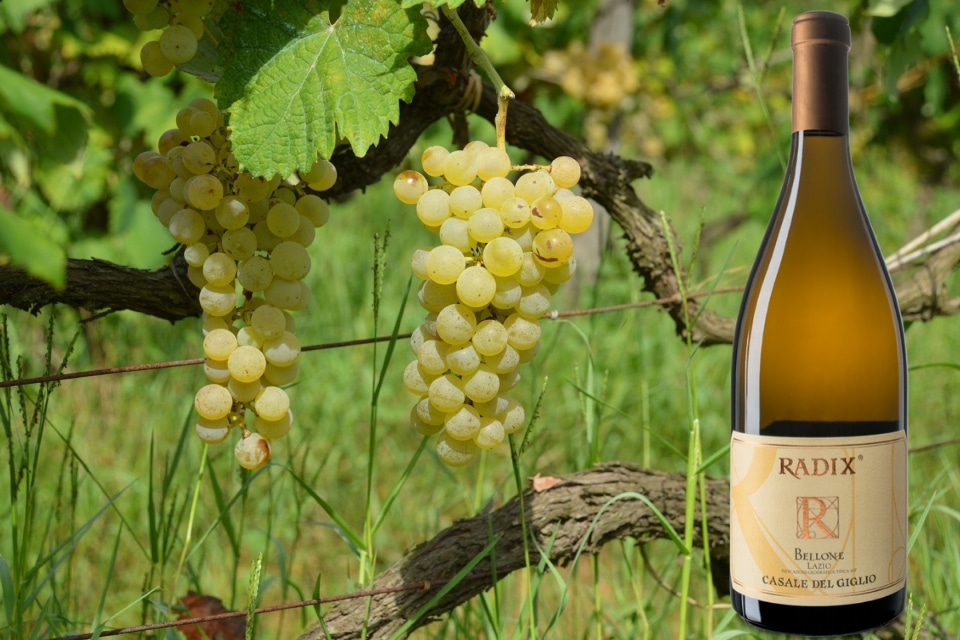
A vineyard on the plains, in the coastal strip of Anzio, on the Lazio shore. This is where the Bellone grapes used for Radix, the Casale del Giglio reserve, come from. Yet the wine, 2021 vintage, appears among the gold medals of the Mondial des Vins Extrêmes 2026, the Cervim competition reserved for wines from heroic viticulture. The winery describes the Bellone di Anzio project as originating in the “outskirts of Anzio.” It states that the grapes for the Radix reserve come from an old ungrafted vineyard, with alluvial and clayey soils.
The company information therefore links the wine awarded the “heroic” gold medal to a coastal and lowland context. Lacking—as far as documented—terraces, large steps, or slopes exceeding 30%. No one, before Cervim and the results of the Mondial des Vins Extremes 2026, had ever associated Radix 2021 with heroic viticulture.
Radix 2021 Casale del Giglio: gold medal without requirements at Cervim’s Mondial des Vins Extrêmes
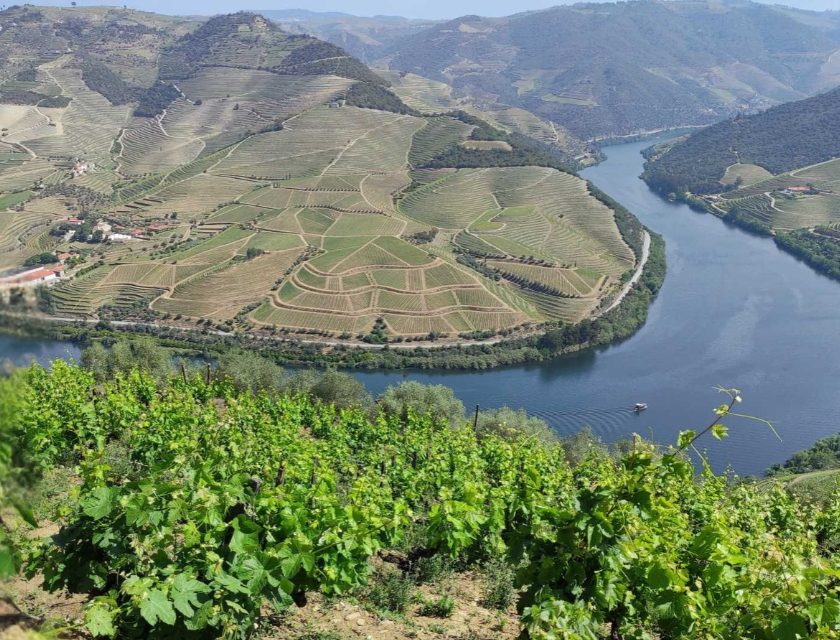
Article 3 of the 2026 Mondial des Vins Extrêmes regulations admits wines produced from grapes coming from vineyards that meet at least one of the following conditions: altitude above 500 meters above sea level, excluding plateaus; slope exceeding 30%. Furthermore: cultivation on terraces or large steps, or viticulture on small islands. These are alternative requirements: one is enough, but it must concern the vineyard from which the grapes originate.
There are two pages on the Casale del Giglio website recording the success of Radix Bellone 2021 at the Mondial des Vins Extrêmes 2026: one lists it as a “gold medal”—as confirmed by the results of the Aosta competition—the other even as a “grand gold medal.” Yet, the real issue is not the tasting result, but the admission of the sample: what structural characteristic of the Anzio vineyard would have satisfied Article 3 of the competition regulations?
UNGRAFTED VINEYARD DOES NOT MEAN “HEROIC”
The fact that Bellone is a historic Lazio grape variety and that the vineyard is ungrafted does not, in itself, constitute a requirement for “heroic viticulture” according to the competition regulations and national laws. The winery’s public documentation speaks of an old vineyard near the sea. But it does not indicate altitude, slope, or terrace systems.
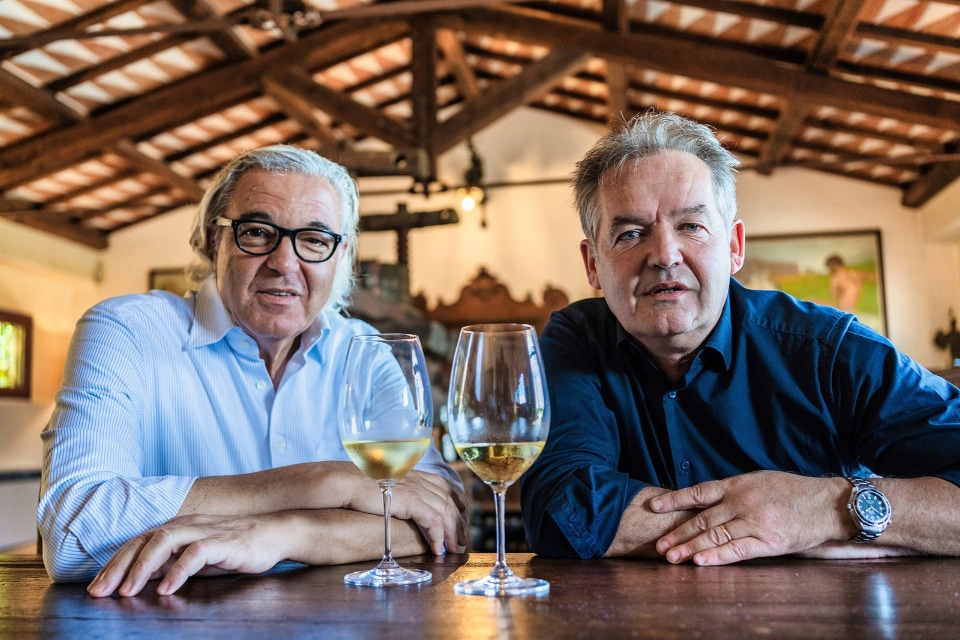
It therefore remains necessary for Cervim to clarify on what self-certification or verification the admission of Radix 2021 was based. When questioned by Winemag, both the company and the Trentino oenologist Paolo Tiefenthaler—who has handled both the oenological and agronomical aspects for 40 years—have not yet provided any statement.
From Ukraine to Radix: the chapters of the investigation
The Casale del Giglio case follows that of the Cabernet Sauvignon Oaked 2024 by Big Wines Big Art, a Ukrainian winery also awarded gold at the Mondial des Vins Extremes 2026. Upon Winemag’s request, the company stated that the wine comes neither from terraced vineyards nor from vines with slopes of 30% or more. It also specified that Cervim itself had sent the owners the invitation to submit samples.
A detail never confirmed by Cervim, which limited itself to shifting the responsibility onto the company: it is reportedly the wineries that self-certify the heroic nature of their vineyards. An element that could also justify the presence of Radix 2021 by Casale del Giglio, but which would also put the Italian company in a bad light.
OIV patronage: internal investigation launched
However, Cervim’s position is worsened by the patronage that the OIV, the International Organisation of Vine and Wine, grants to the Aosta competition. It is precisely by virtue of this “support” that the Mondial des Vins Extremes should strictly adhere to the dictates of the patron body. From the admission of samples to the tasting phases, through to the communication of final verdicts.
Yet, as reported yesterday by Winemag, critical issues have emerged on this front as well. Cervim has indeed sent “evaluation certificates” to wineries that did not make it into the medal table. Companies like Maison Vevey Albert (Aosta Valley) and Masseria Frattasi (Campania) have used the certificate to create communications on their web and social channels. OIV explicitly prohibits this practice, also to maintain the high prestige of the sponsored competitions and the value of the medals awarded.
The standard updated in 2025 establishes, in Article 14, that no certificates other than the diploma relating to an award, i.e., a medal, should be delivered. Article 13 also sets a 30% maximum limit for medals out of the total samples. According to data published by Winemag, in 2026, 379 awards were given out of 1,175 wines entered: 32.26%. Among the golds, there are ultimately at least two wines that could not even be admitted to the competition. Who is going to tell the winemakers who were left without a medal?