IN BREVE
- The Ukrainian wine Cabernet Sauvignon Oaked 2024 won a gold medal at the Mondial des Vins Extrêmes 2026 despite lacking the heroic viticulture requirements mandated by the Aosta competition regulations.
- The Big Wines Big Art winery claims to have been invited by Cervim to submit samples, while confirming they do not have “heroic vineyards.”
- Cervim indirectly accuses Big Wines of false self-certifications regarding the heroic nature of their wine.
- Several Italian wineries are challenging the “loose” admissions of recent years, arguing that this harms truly “heroic” producers.
- Furthermore, the medals awarded reportedly exceed the OIV-established limit of 30% of the samples entered in the competition.
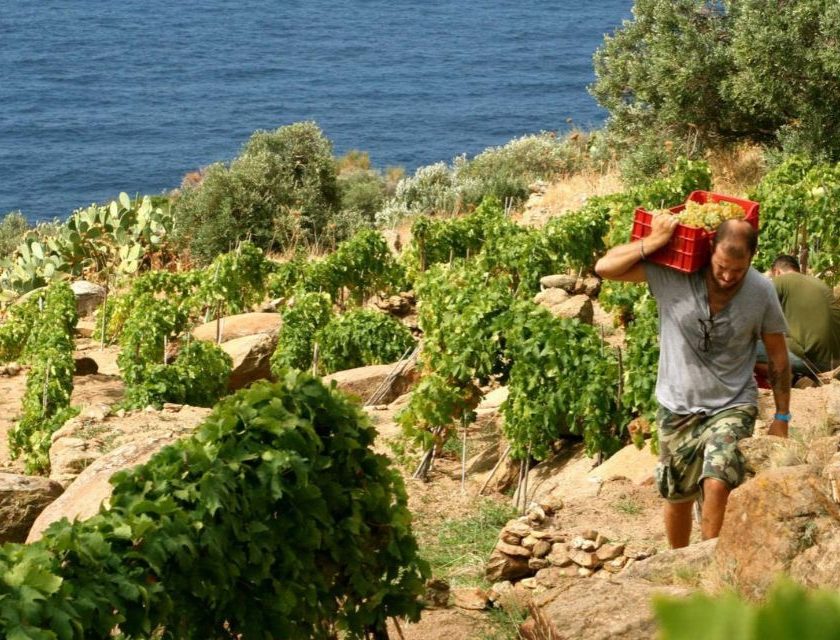
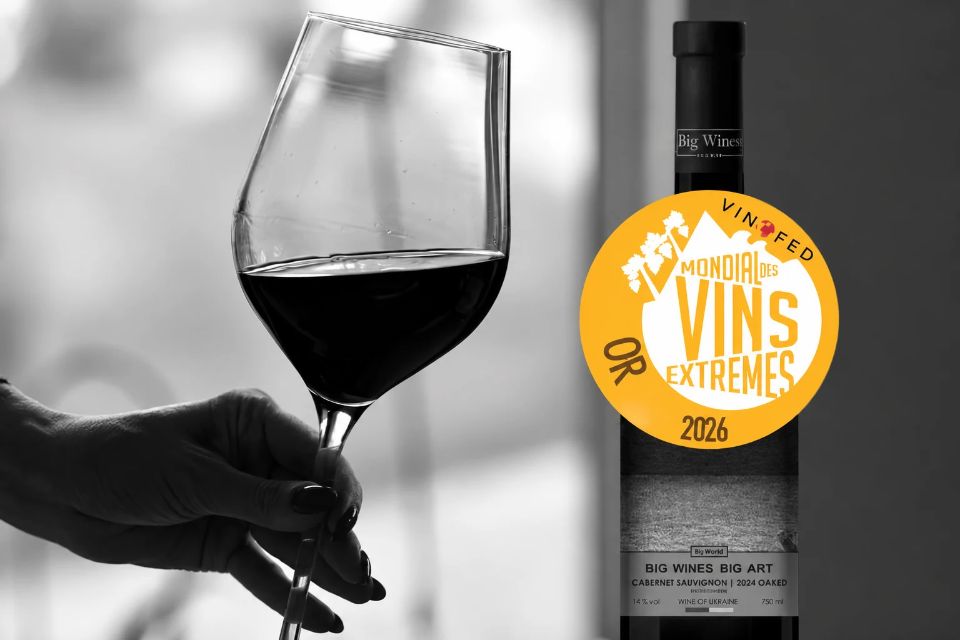
A gold medal at the Mondial des Vins Extrêmes 2026 and an unanswered question: which heroic viticulture requirement allowed the admission of the Ukrainian wine Cabernet Sauvignon Oaked 2024 from the Big Wines Big Art winery, which was also awarded a gold medal? When questioned by Winemag, the Ukrainian winery cited “harvests under bombs and drones” and “an invitation from Cervim to send samples.”
War, however, does not appear among the criteria in the regulations of the Mondial des Vins Extrêmes 2026, which are linked exclusively to the topographical conditions of the vineyards, such as slope and altitude. Cervim instead speaks of “self-certification of the vineyard’s heroic nature,” denying the invitation to the Ukrainian winery and opening a case within a case: did the Ukrainians, already known for refusing medals from the Concours Mondial de Bruxelles 2026, lie to participate in the 2026 edition of the competition?
THE OIV’S OVERSIGHT ROLE
The affair raises management and political questions that go far beyond the activities of Cervim, a publicly controlled body of the Aosta Valley Region, which appoints its representatives. The Mondial des Vins Extrêmes enjoys the prestigious OIV patronage, the International Organisation of Vine and Wine, present in Aosta during the tastings with its own observer member: the French Christine Collins. It is her responsibility to verify compliance with OIV standards.
More generally, the award for a “legally” unpresentable wine fans the flames of broader controversies concerning the recent years of the Center for Research, Environmental Sustainability and Development of Mountain Viticulture (Cervim) in Aosta. According to reports gathered by Winemag, several producers are contesting an overly permissive application of the competition’s admission criteria and a loss of founding values in favor of focusing on the “business” of entries.
These issues are also reflected at the national administrative level. The protection of heroic and historic vineyards, provided for by Law 238/2016 and governed by the 2020 decree, has seen inconsistent regional implementation. These delays feel like an insult to the “heroic winegrowers” seeking recognition at the Mondial des Vins Extrêmes.
THE UKRAINIANS OF BIG WINES: “WE HARVEST UNDER BOMBS AND DRONES”
Big Wines announced the gold obtained by the Cabernet Sauvignon Oaked 2024 on social media and on its website, presenting it as yet another “success for Ukrainian wine on the international stage.” However, the social media post disappeared immediately after Winemag’s request for clarification.
When asked about the reason for the award and the existence of heroic vineyards, the winery’s Instagram account replied: “The situation in Ukraine has been heroic since 2022. We have to harvest under bombs and drones. So Cervim invited us to participate in the competition. The concept is different, but the meaning is the same: heroic people fighting for a heroic wine.”
The invitation attributed to Cervim remains a statement by the company, unconfirmed in Aosta. In fact, the organization is careful not to confirm the invitation.
WHAT THE MONDIAL REGULATIONS PROVIDE
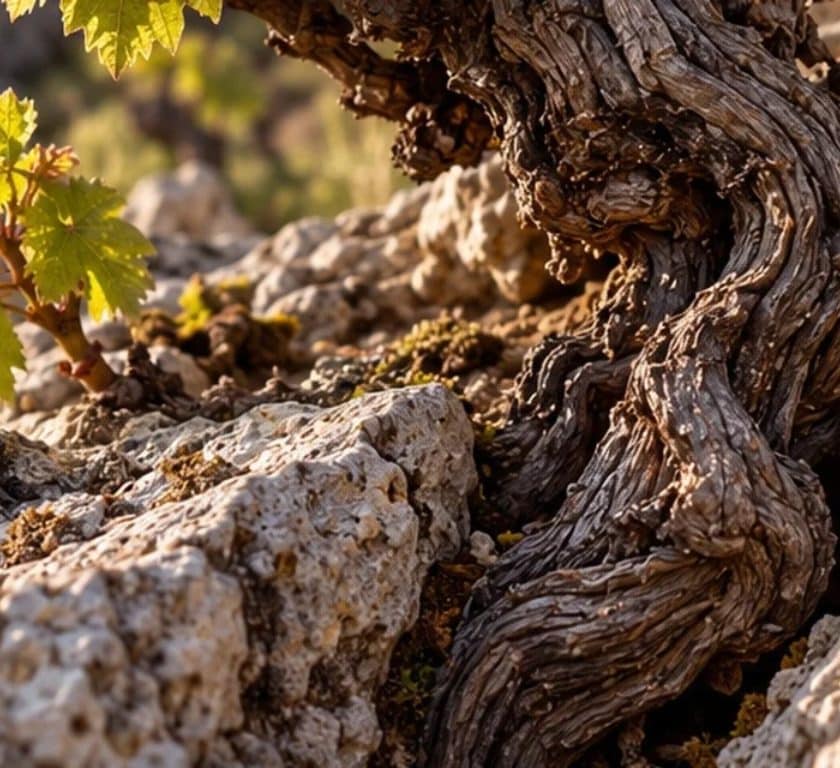
Article 3 of the 2026 Mondial des Vins Extrêmes regulations by Cervim admits wines obtained from grapes coming from vineyards with at least one of the following characteristics: “Altitude higher than 500 meters, excluding plateaus; slope greater than 30%; cultivation on terraces or steps; location on small islands.”
The requirements are alternative. A vineyard does not have to be simultaneously mountain-based, terraced, and with a slope greater than 30%. Origin from a war zone, however, is not on the list.
The Russia-Ukraine conflict, as the sole basis for admission, might be ethically sufficient. But the regulations are clear: there is no derogation for war-torn territories where wine continues to be produced “heroically.” The courage to harvest grapes and vinify them during a war is not enough, on its own, to guarantee a regular admission of samples to the Cervim competition.
THE RESPONSE ON THE VINEYARDS AND ITS LIMIT
Winemag asked the Ukrainian winery Big Wines if the grapes for the awarded wine came from terraced mountain vineyards with slopes exceeding 30%. The answer? “The wine awarded by Cervim does not come from terraced vineyards or from vines with slopes of 30% or higher.”
The winery has therefore denied the prerequisites for the admission of the awarded wine to the 2026 edition of the competition, held in Aosta on August 25 and 26. The only reason would concern the war, without the Ukrainian Cabernet Sauvignon vineyards being considered heroic based on Cervim’s regulations.
CERVIM AND SELF-CERTIFICATIONS: ACCUSATION AGAINST BIG WINES
Responding to Winemag’s request for clarification sent on September 26, Cervim’s press office, Studio Cru, sent a statement that leaves no room for interpretation: “Companies participating in the Mondial des Vins Extrêmes self-certify that the products sent belong to the category of extreme wines, according to the criteria established by Article 3 of the regulations.”
Words that sound like a direct accusation by Cervim against the Ukrainian winery, aimed at shifting all responsibility for verifying the admission criteria of the samples to its competition. Without mincing words, Big Wines would thus be accused of having entered samples based on a false declaration regarding the heroic nature of the awarded Cabernet Sauvignon vineyards.
OIV, 30% IS THE MAXIMUM FOR MEDALS
Doubts about the 2026 edition of the Mondial des Vins Extrêmes do not end there. Article 13 of the OIV standard, updated with resolution OIV-OENO 671A-2025, stipulates that medals must not exceed 30% of the samples presented.
If the ceiling is exceeded, samples with the lowest scores must be excluded from the awards, based on a centesimal average. Yet, the results of the Mondial des Vins Extrêmes 2026 report 84 Grand Gold Medals and 295 Gold Medals: a total of 379 medals out of 1,175 wines entered, equal to 32.26%. The twenty special prizes announced were not included in the calculation, and the ratio between medals and entries would still be higher than the declared limit.
Moreover, in a competition with a maximum number of awards established by the OIV, awarding a sample that lacks the admission requirements—as in the case of Big Wines’ Ukrainian wine—could affect the chances of other participants. The verification of admissions therefore concerns the fairness of the selection and the commercial value of the medals.
CERVIM, PRIVATE NATURE AND PUBLIC CONTROL
Cervim is based in the Aosta Valley, but its activities and membership involve other territories as well. The statutes published by the body indicate its legal status as a private law entity and its non-profit nature, within the framework of Aosta Valley regional law no. 17 of August 11, 2004. Its aims include the protection and promotion of mountain viticulture.
The Aosta Valley includes it in the list of private law entities under public control. The regional file identifies three representatives in the governing bodies: the president Nicola Abbrescia and the councilors Sara Patat and Roberto Gaudio, appointed by the region.
HOW CERVIM IS FUNDED
Funding combines public grants, membership fees, and revenue from activities. The 2024 budget published by the Aosta Valley Region documents 69,500 euros in regional operating grants, divided between institutional and commercial activities, and 68,500 euros in membership fees.
Entries for the Mondial des Vins Extrêmes generated 64,532.93 euros, while those for the spirits competition generated 5,315 euros. The sale of stickers produced 7,214.78 euros. These are ordinary accounting items that also describe the economic scale of the competition activity.
For the 2025 final budget submitted to the assembly, the data show 280,916.51 euros in revenue, 77,900 euros in membership contributions, and 56,630.44 euros in contributions from the Aosta Valley. These figures are cited in a resolution by the Veneto Region, which participates in Cervim as a member and has defined the voting instructions for its representative on the budget.
The same act separately indicates a Veneto membership fee of 5,500 euros for 2026. Public support reinforces the interest in transparent management. Unless heroic viticulture has become a business in the hands of a small group of medal-givers in the tasting rooms of an Aosta hotel.