IN BREVE
- Mura / Murai is a new PDO for Hungarian wine, registered in the European Union, protecting white wines, Siller, and reds.
- The designation includes vineyards in the municipal areas of Becsehely and Zajk, near the Mura River, and uses twelve authorized grape varieties.
- The wines must undergo mandatory aging of six months for whites and Siller, and twelve months for reds, to ensure quality.
- The climate of the Mura / Murai PDO features mild winters and a long growing season thanks to the influence of the river and the Alps.
- The new PDO differs from the Zala PDO in its smaller area and more stringent limitations on wine type and grape variety.
Mura / Murai is the new PDO for Hungarian wine registered by the European Union. The designation protects white wines, Siller, and reds produced in the extreme southwest of Hungary, in the Zala wine region, on the hills overlooking the Mura River and the border with Croatia.
The application, identified by file PDO-HU-02817, was submitted on November 26, 2021 and published in the Official Journal of the European Union on March 24, 2026. Registration took place on July 22, 2026 with EU implementing regulation 2026/1792.
The new Hungarian PDO covers classified vineyard areas of first and second class in the municipal territories of Becsehely, Csörnyeföld, Dobri, Letenye, Murarátka, Muraszemenye, Tormafölde, and Zajk. A relatively circumscribed area, located within the Zala wine district and connected to the broader Balaton region.
Mura / Murai, the PDO ON THE HILLS OF THE MURA RIVER
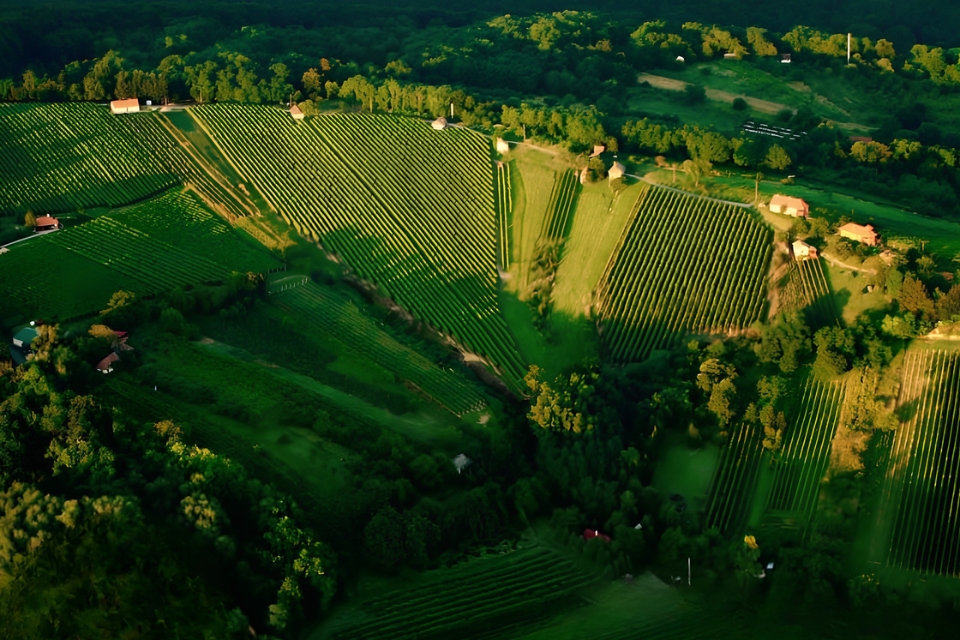
The production rules identify the Mura River as one of the decisive elements for the identity of the designation. The vineyards are located in the immediate vicinity of the towns along the watercourse, at a distance generally between one and two kilometers from the Hungarian-Croatian border.
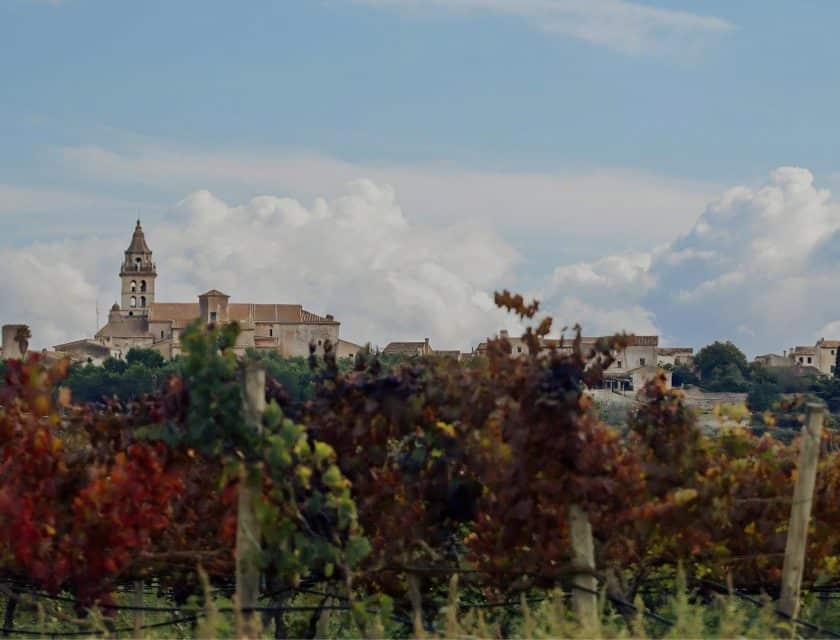
The plain on the left bank of the river meets the southern foothills of the Zala hills here. The vineyards occupy mainly terraces facing south, southwest, and east, in an area where warmer currents from the Adriatic reach the first reliefs of Transdanubia.
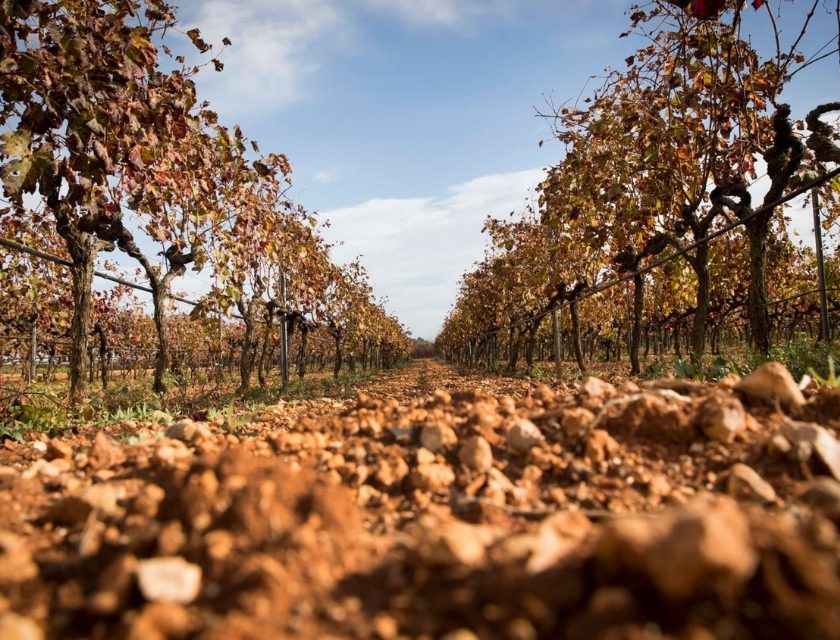
The soils derive from sandy-clay deposits of the ancient Pannonian Sea, subsequently covered by Quaternary and Pleistocene loess. Along the river there are also alluvial fans composed mainly of sand and gravel. On the reliefs, brown forest soils dominate, with areas characterized by clay accumulation.
WHITES, SILLER, AND REDS: THE THREE STYLES OF MURA / MURAI
The Mura / Murai PDO can only be used for three types: white wine, Siller, and red wine. Siller is a traditional Hungarian style obtained from black grapes through skin contact longer than that of a rosé. The result falls, in terms of color, structure, and tannic presence, between rosé and a light red.
Siller wines can range from light crimson to intense ruby red. The production rules indicate aromas of strawberry, blackberry, and raspberry, accompanied by full body, sustained acidity, and possible mineral notes. The contribution of wood must not be dominant.
Whites display colors from light greenish-yellow to straw yellow. The aromatic profile must be characterized by citrus, peach, pear, and possible mineral nuances. On the palate they are described as full, concentrated wines, with medium-high acidity and a tendency toward oily texture.
Reds instead show a light ruby color, tending toward garnet. The aromatic range includes red and black fruits, plum, cherry, and blackberry. In this case too the body is full, acidity medium-high, and the finish must have at least medium persistence. The minimum actual alcohol content is set at 11.5%, while total acidity cannot fall below 5 grams per liter, expressed as tartaric acid.
TWELVE GRAPE VARIETIES PERMITTED IN THE MURA / MURAI PDO
The production rules authorize twelve varieties. Among the white grapes are Furmint, Királyleányka, Olaszrizling – Welschriesling – Rajnai Rizling, or Rhine Riesling, Szürkebarát (Pinot Gris), Tramini, and Zenit.
The black grape component includes Cabernet Franc, Csókaszőlő, Kékfrankos, Merlot, and Pinot Noir. A selection that combines Hungarian and Central European varieties with some international grapes particularly widespread in the country’s viticulture.
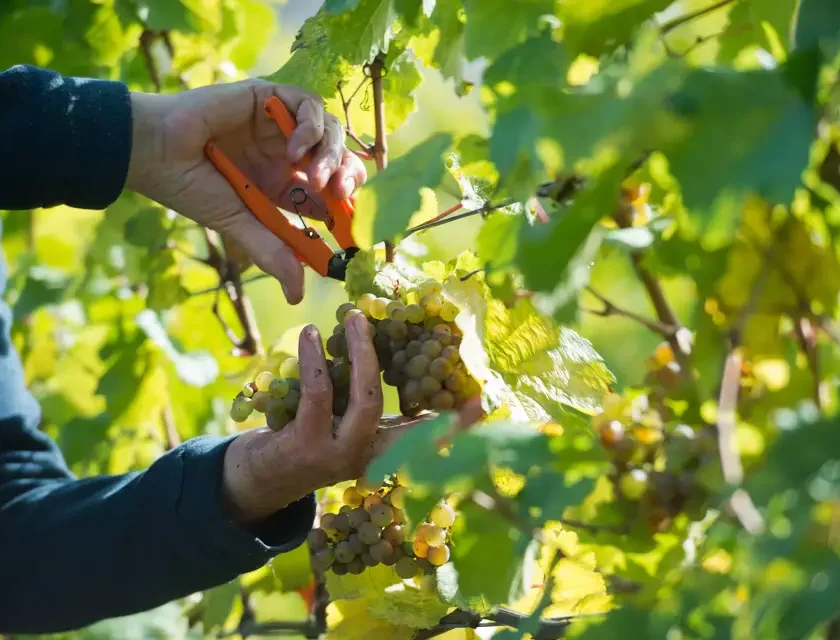
The production rules require a minimum density of 5,000 vines per hectare and a maximum yield of 60 hectoliters of wine or 8,000 kilograms of grapes per hectare. Harvesting must be done exclusively by hand.
For wines that display the name of a single parcel on the label, the vineyards must have an average age of at least ten years. Neither artificial increase of alcohol content nor sweetening is permitted.
MANDATORY AGING FOR ALL WINES
All types of Mura / Murai PDO must undergo a minimum aging period. For white wines and Siller, at least six months are required, while for reds the period rises to twelve months.
The choice aims to integrate the acidity, particularly evident in wines from the area, and to soften the tannic component of Siller and reds. The production rules in fact associate the designation with concentrated, structured wines potentially suited to evolution.
On labels the broader mention “Balaton borrégió” may also be included, meaning “Balaton wine region.” Municipal indications and names of individual vineyards are also permitted, provided the grapes come entirely from the declared geographic unit.
THE MICROCLIMATE BETWEEN THE ALPS AND ADRIATIC CURRENTS
The climate of the Mura / Murai PDO is influenced by three elements: the river, the Alpine barrier, and currents from the Adriatic. The Mura valley favors the dispersion of cold air and makes frost stagnation on the slopes more difficult.
The Alps obstruct the entry of colder air masses at lower elevations, while after the passage of fronts, milder currents from the southwest arrive quickly. The area thus has winters considered among the mildest in Hungary and a relatively long growing season.
The average annual temperature is between 10.5 and 11 degrees, with precipitation between 750 and 800 millimeters. Summers generally do not reach excessive temperatures on the reliefs, but nights remain warm enough to favor complete ripening. Humidity and rainfall instead contribute to preserving lively acidity.
A MORE SELECTIVE DESIGNATION THAN ZALA
The European Commission highlights the differences between the new Mura / Murai PDO and the pre-existing Zala PDO. The former covers a significantly smaller area, directly influenced by the Mura River, and limits production to twelve grape varieties and only three wine types.
The requirements for manual harvesting, minimum aging, and yield containment also outline a designation oriented toward more concentrated and terroir-driven wines. The European recognition thus attributes an autonomous identity to one of the southernmost areas of Hungarian viticulture, built around the relationship between the Zala hills, the Mura valley, and climatic influences from the Adriatic.