IN BREVE
- The foodservice sector in Europe is changing, with consumers spending more but less frequently.
- Foodservice spending has increased by 10%, but traffic remains 10% below pre-pandemic levels.
- Dining culture is evolving, with growing demand for solo dining and a 153% increase in this type of spending from 2010 to 2019.
- Delivery is redefining eating out, with aggregators accounting for 3.7% of foodservice traffic.
- Circana highlights opportunities for operators who adopt value-based strategies and adapt to new consumer habits.
According to recent insights from Circana, presented at the European Foodservice Summit 2025 in Amsterdam, the foodservice sector in Europe is entering a new era of transformation. Consumers in the UK, Germany, France, Italy, and Spain (the “Big Five”) are spending more than ever on eating out but doing so less frequently. This signals a lasting shift in consumer behavior following the pandemic.
NEW SPENDING LEVELS
Between June 2019 and June 2025, consumer spending on foodservice increased by 10%, reaching record levels. However, total traffic remains 10% below pre-pandemic levels. For operators, the challenge is no longer about recovering lost ground, but adapting to new patterns that determine the “when,” “where,” and “why” people choose to eat out.
“We are witnessing a reset in the European foodservice sector. Consumers are finding a new balance between indulgence and value, health and convenience, social occasions and solo dining. It’s a more dynamic, fragmented market full of opportunities compared to recent years,” says Jochen Pinsker, Industry Advisor Foodservice Europe at Circana.
DIFFERENCES ACROSS COUNTRIES
Recovery patterns vary significantly across Europe. The UK is the most challenged market, with traffic down 21% compared to pre-COVID levels. Germany is expected to lead the recovery, with traffic projected to grow by 1.6% by 2026, driven by strong adoption of online bookings and delivery.
Through June 2025, traffic in France remained 9% below pre-COVID 2019 levels, although average spend per occasion has increased. Italy proves resilient. During the same period, the decline was just 4%, like Spain, which recorded the same decrease, most likely due to the lower rate of remote working (35%). Spain is also expected to recover more slowly from current economic uncertainties and low consumer confidence, with projected growth of just 0.2% for 2026.
TABLE FOR ONE: THE RISE OF SOLO DINING AND THE POWER OF SOCIALIZATION

Dining culture in Europe is evolving, with a growing divide between shared social occasions and personalized individual visits. Once considered unusual, eating alone has become a lifestyle choice, redefining how and where Europeans dine, and is rapidly expanding across the five major European markets.
Spending on solo dining increased by 153% between 2010 and 2019 and now accounts for 15.6% of full-service restaurant visits, up from just 9.4% in 2016. This is driven by urban lifestyles, hybrid work, and digital-first cafés that normalize “table for one” occasions.
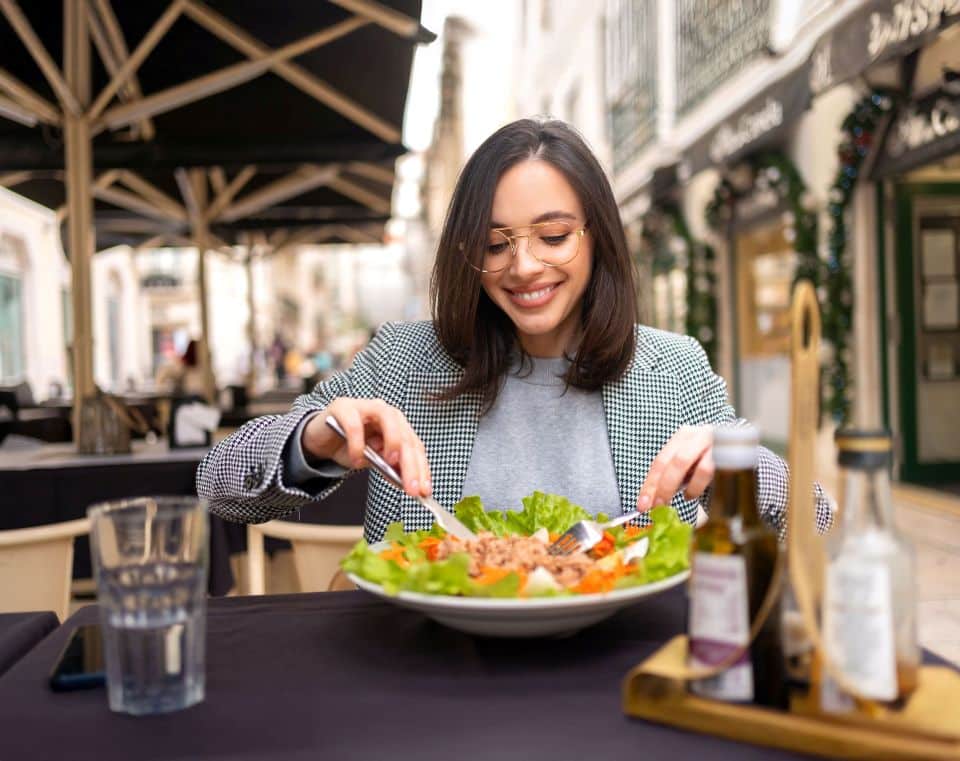
The UK leads this transformation. With 54% of British adults (the highest rate in Europe) working part-time from home, weekday group lunches are giving way to quick individual meals. In urban centers, busy professionals opt for sushi boxes, salads, and takeaway options between meetings, while operators are adapting layouts, menus, and ordering systems to better serve solo diners.
Meanwhile, dining for social occasions is on the rise, accounting for 31% of all traffic in the 12 months through June 2025 (up from 29.8% in 2021). This trend is driven by Southern Europe, with its aperitivo evenings and sharing plates typical of the family dining tradition in these areas.
VALUE TAKES CENTER STAGE
European consumers are becoming more mindful in their spending, seeking a good balance between value and quality without sacrificing the level of experience. One in three occasions now includes a promotion or combo meal, up from 29.9% in 2022 to 33.7% in 2025.
DELIVERY REDEFINES THE MEANING OF “EATING OUT”
Delivery is redefining how people eat out across Europe. In Germany and France, double-digit growth has pushed demand beyond COVID-era peaks. For many, eating “out” now means staying home, with two-thirds of delivery occasions replacing home cooking.
This growth is fueled by aggregators like Uber Eats, Deliveroo, and Just Eat, which now account for 3.7% of all foodservice traffic, nearly quadrupling their share in Europe since 2016. By placing hundreds of restaurants on a single digital platform, these apps are reshaping how consumers discover, order, and enjoy meals, while also fueling the growth of promotions, combo deals, and loyalty programs.
HEALTH, LIFESTYLE, AND LIGHTER CHOICES
Changing eating habits are reshaping menus and beverage trends. Alcoholic beverage consumption decreased by 7% year-on-year in the 5 major European markets during the first half of 2025 compared to the same period in 2024, while non-alcoholic alternatives increased by 2%. During the same period, tap water consumption grew by 5%, while bottled water increased by just 1%.
“Eating out is increasingly becoming a personalized experience. For some, it’s about shared social moments; for others, it’s the freedom of a solo lunch. Whether it’s a bruschetta dinner in Rome, tapas with friends in Madrid, or sushi at a café in Berlin, consumers are shaping dining occasions around their lifestyle, not the other way around,” adds Pinsker.
ADAPTING TO THE NEW REALITY OF EUROPEAN FOODSERVICE
Circana’s analysis highlights a fragmented market full of opportunities. Successful operators will be those who adopt value-based strategies, invest in digital and delivery, and adapt to changes in health and lifestyle priorities, while tailoring approaches to local habits.