IN BREVE
- Champagne Telmont, a house that counts Leonardo DiCaprio among its shareholders, promotes a philosophy of absolute sustainability, without compromise.
- The confirmation came during the launch of the new cuvée Réserve de la Terre Rosé, at Casa Azzoguidi in Bologna.
- The Damery-based house aims to convert 100% of its owned vineyards and grower partners to organic by 2031: 70% is already certified.
- As global brand manager Alexis Lyon explained, Telmont uses biodynamic practices and supports winegrowers in the transition.
- All energy at production sites comes from renewable sources and the company has eliminated air transport.
- The label of the Réserve de la Terre cuvées provides detailed information on varieties and winemaking processes, educating consumers.
“We want to produce the best possible Champagne, without any compromise when it comes to sustainability.” With these words Alexis Lyon, global brand manager of Champagne Telmont, summed up the philosophy of the French house, which was a guest last night at Casa Azzoguidi, in Bologna, for the official Italian presentation of Réserve de la Terre Rosé. The label joins Réserve de la Terre and becomes the brand’s second 100% organic cuvée, which counts film star Leonardo DiCaprio among its shareholders, alongside president Ludovic du Plessis and stakeholders such as Rémy Cointreau (distributed in Italy by the Montenegro Group).
CHAMPAGNE TELMONT AND THE GREEN REVOLUTION
Founded in 1912 by Henri Lhôpital, one of the protagonists of the Champagne Revolution of 1911, Telmont is now in its fourth family generation. But the definition the house likes to give itself is that of a “century startup“. A historic company experiencing a new, radical rebirth. “Today we are trying to lead a second revolution, this time a green revolution,” Lyon explained.
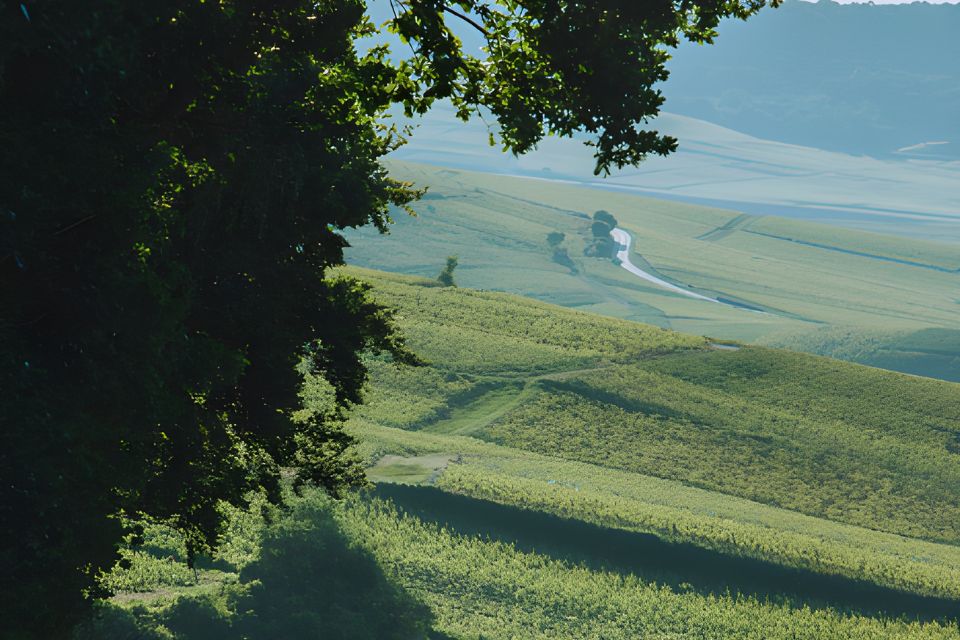
The project, significantly named In the Name of Mother Nature, was born five years ago with a clear objective: to convert 100% of owned vineyards and partner growers to organic. The house plans to reach this threshold by 2031. A journey already underway—today about 70% of the land is certified organic or in conversion—which Telmont considers essential to ensure “living soils” and a sustainable future for the Champagne region.
ORGANIC FARMING, BIODIVERSITY AND LIVING SOILS
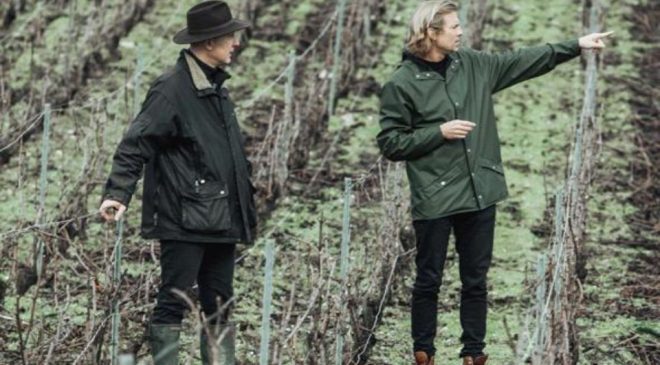
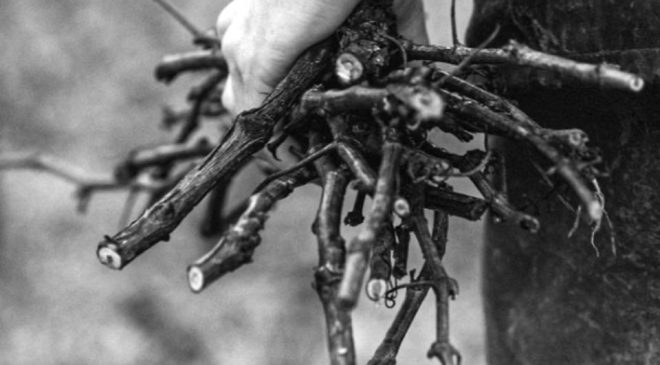
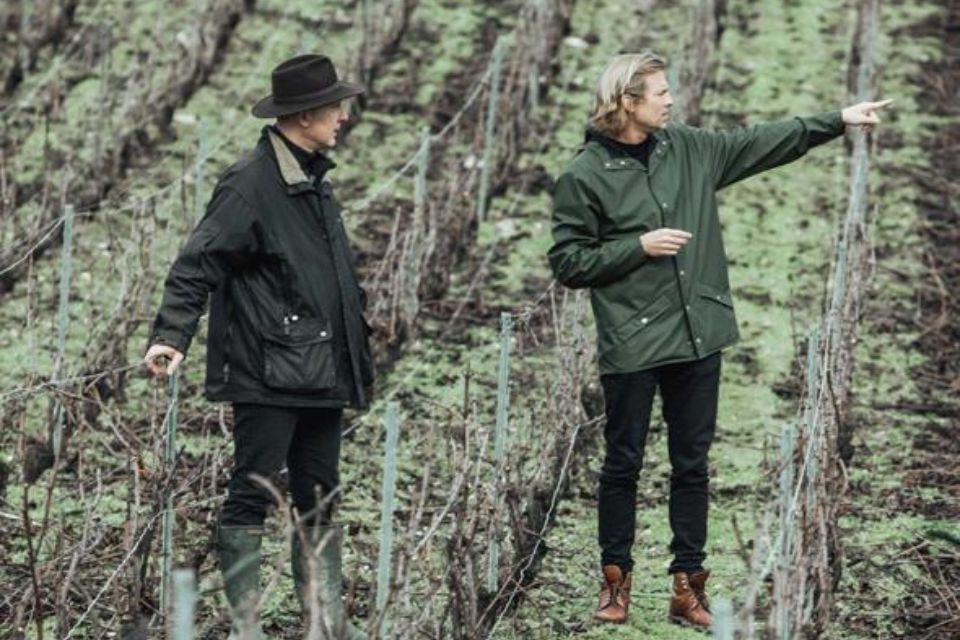
Respect for soils, as an integral part of terroir, is at the heart of the Telmont philosophy. “We plant trees, we sow cover crops between the rows,” Lyon explained, “but that’s not enough. If we really want to make an impact on the land, we need to enter the world of organic farming. No pesticides, no chemical fertilizers, no synthetic herbicides. The goal is to regenerate the soil and let the vine interact with the environment naturally.”
Telmont also integrates biodynamic practices in some experimental plots, along with sexual confusion of pests and the use of natural compounds. Thus preparing, as Alexis Lyon announced to Winemag, for a “gradual transition to full biodynamics, which will only be possible when all plots can follow the same biological rhythm.”
PARTNER SUPPORT AND CHALLENGES OF ORGANIC CONVERSION IN CHAMPAGNE
Conversion, however, is a complex journey. “During the three-year transition,” the global brand manager explained, “growers can lose up to 30% of production, with peaks of 80-90% in particularly challenging vintages. Telmont provides technical and financial assistance to partners, to manage production reduction and certification, encouraging a sustainable transformation of the entire territory.”
Champagne Telmont’s sustainability doesn’t stop at the vineyard. All energy used at production sites comes from renewable sources. Air transport has been eliminated, replaced by sea or land shipments. And, since 2021, the company has abandoned gift boxes: “We produce Champagne, not gift boxes. We don’t need special editions with famous faces to sell wine,” a very determined Lyon emphasized.


LIGHTER GREEN BOTTLES AND LABELS THAT “EDUCATE” CONSUMERS
All cuvées are now packaged in green bottles made with 87% recycled glass, reducing the carbon footprint by about 20%. Thanks to a collaboration with producer Verallia, the weight of standard bottles has been reduced from 835 to 800 grams, without compromising strength and international transport. The patent is shared with the entire industry as an example of a sustainable approach and an invitation to share the green revolution.
Champagne Telmont also aims for maximum traceability. Varieties, dosage and winemaking years are indicated on the label, “to educate the consumer.” “It’s not a marketing strategy,” Lyon explained, “but a tool to help people understand what’s in the glass.”
RÉSERVE DE LA TERRE ROSÉ and RÉSERVE DE LA TERRE telmont
All concrete aspects, reflected in two cuvées that go beyond proclamations and can be appreciated for their drinkability and food-friendliness. Réserve de la Terre Rosé, the new cuvée crafted by Bertrand Lhôpital in his dual role as Chef de Cave and head of Telmont’s vineyards, is produced in only 5,000 bottles. It is a rosé d’assemblage made with the three main Champagne varieties, including 50% Pinot Noir from the Côte des Bar.
A Brut Champagne, with a dosage of 6.4 g/l. On the nose, notes of red fruits emerge—strawberry and currant—while on the palate a crisp cherry invigorated by hints of orange zest. Réserve de la Terre, a cuvée of Chardonnay (44%), Meunier (33%) and Pinot Noir (23%) that can be appreciated for its backbone and acidity, as much as for the exotic pleasantness conferred by the Meunier, has a larger production, 64,033 bottles. Both labels are ambassadors of a philosophy that makes no compromises, from any point of view.
“Being convinced that wine is only good if the land is beautiful,” Alexis Lyon emphasized, “we are willing to change, from vintage to vintage, the percentages of grape varieties that make up our cuvées and, consequently, the dosages as well. We don’t like standardization; on the contrary: we believe it is consistent and respectful toward our customers to show the differences between vintages, instead of adjusting and standardizing our cuvées.”
ORGANIC IN CHAMPAGNE: a global challenge
The green revolution led by Champagne Telmont is a global challenge for the entire region. According to data from the Regional Observatory on Organic Farming, released by ACB – Association des Champagnes Biologiques, at the end of 2024 organic viticulture in Champagne covered approximately 2,772 hectares, of which 532 in conversion, equal to just over 8% of the total vineyard area of the appellation. The companies involved, including fully certified producers and plots in transition, number 641. This figure marks significant progress compared to 2009, when organic covered barely 1% of vineyards. But it still remains far from the full transition of the territory.
Beyond organic viticulture, Champagne has developed a broader framework of environmental certifications. Today over 70% of vineyards have recognition attesting to sustainable practices, with the Viticulture Durable en Champagne (VDC) program among the main tools available to producers. The industry has set itself the ambitious goal of bringing 100% of certified vineyards by 2030. Confirming Telmont’s direction, toward increasingly environmentally respectful production.
Telmont, the Champagne house that takes “green” (really) seriously. https://champagnesbiologiques.fr/en/organic-winegrowing-organic-viticulture-in-champagne/. https://champagne-telmont.com/.