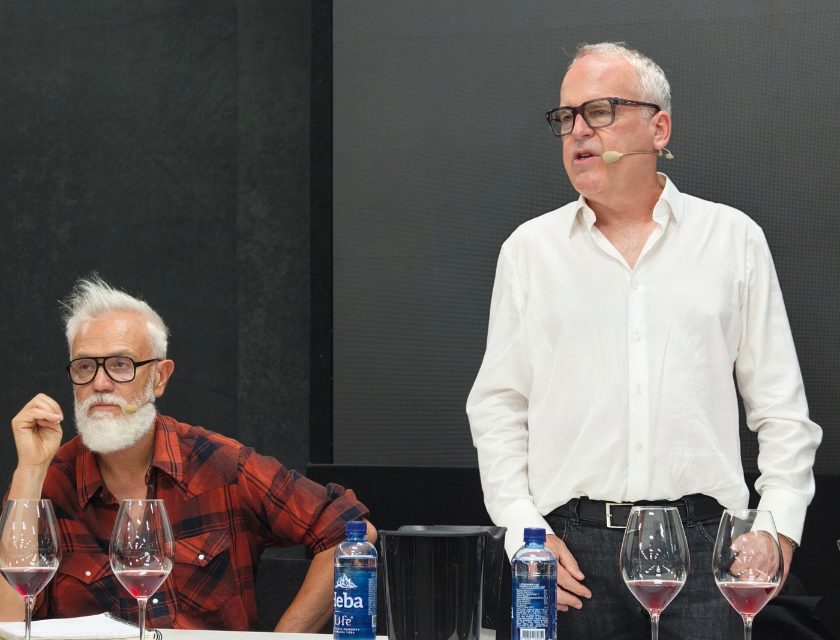
IN BREVE
- Colomba Bianca recorded a 30% increase in bottled production in 2025, with a harvest of approximately 330,000 quintals of grapes.
- Sales Director Giuseppe Gambino highlights the commitment to international development and affirms the winery’s presence in European markets.
- President Dino Taschetta emphasizes the importance of cooperation and economic sustainability in the wine sector.
- Winemaker Mattia Filippi emphasizes research and draws inspiration from high-value cooperative wineries such as those in Alto Adige and Champagne.
- Colomba Bianca integrates production and market, focusing on quality and optimizing processes to meet the standards of European retailers.
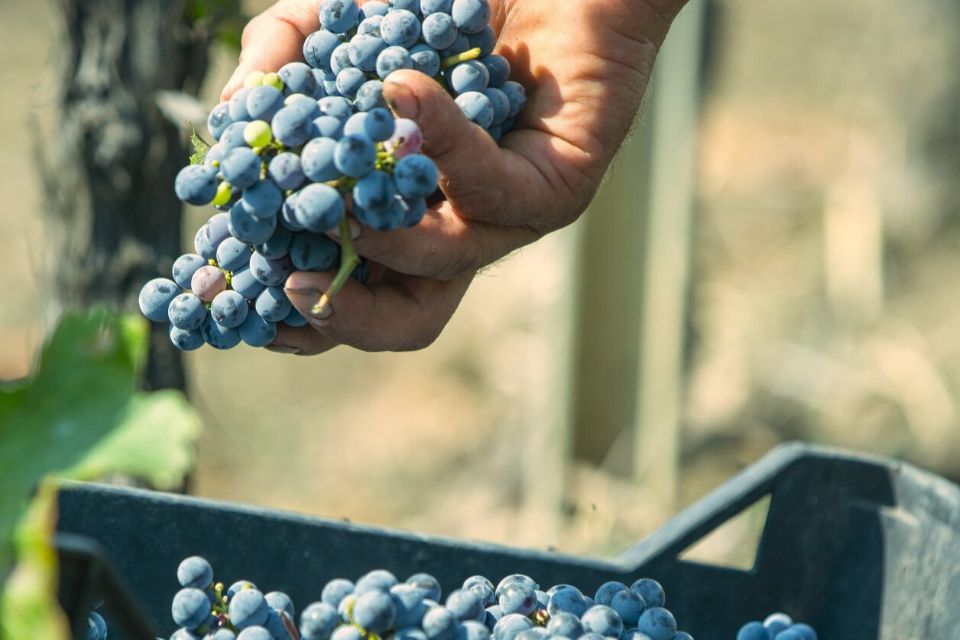
The Sicilian cooperative Colomba Bianca marks a 30% increase in bottled production in Sicily in 2025. This result stems from the development of the supply chain and member remuneration considered among the highest in the sector within the region. Furthermore, it is due to management oriented toward medium-to-long-term objectives. The 2,000 contributing members harvested a total of approximately 330,000 quintals of grapes, compared to 280,000 the previous year, across a vineyard area of about 5,000 hectares.
MARKETS AND POSITIONING
“We are receiving excellent signals from the markets,” explains Giuseppe Gambino, Director of Sales and Business Development. “We are working diligently on new developments abroad. We are proud to be part of the select group of Italian wineries chosen by large-scale retail distribution. This is based on the selection of partners according to strict parameters, monitoring all production phases. We continue to assert our positioning in Europe’s most demanding markets. We are crossing national borders with millions of bottles.”
This growth occurs within a context of Sicilian wine expansion across European markets, where the cooperative is consolidating the reliability and standards required by major retailers.
COOPERATIVE STRUCTURE AND REMUNERATION
“We are hitting our targets,” states President Dino Taschetta. “We have recorded a +30% growth in bottled production. We look to the future with greater serenity. Our membership base is solid, and remuneration is timely and at the highest levels for the category in Sicily. However, it remains at the limit of economic sustainability.”
Taschetta emphasizes the role of cooperation as a driver of synergies which, in his view, should be more widespread throughout the regional district. He invests in Sicilian grapes, with a particular focus on organic production, to consolidate a stable supply chain and encourage generational renewal.
RESEARCH, CLIMATE CHANGE, AND SOCIAL FUNCTION
Winemaker Mattia Filippi highlights the centrality of research: “We are drawing inspiration from cooperative wineries in other regions, such as those in Alto Adige and Champagne. In these areas, the value of differences is recognized, turning them into a territorial and economic asset.”
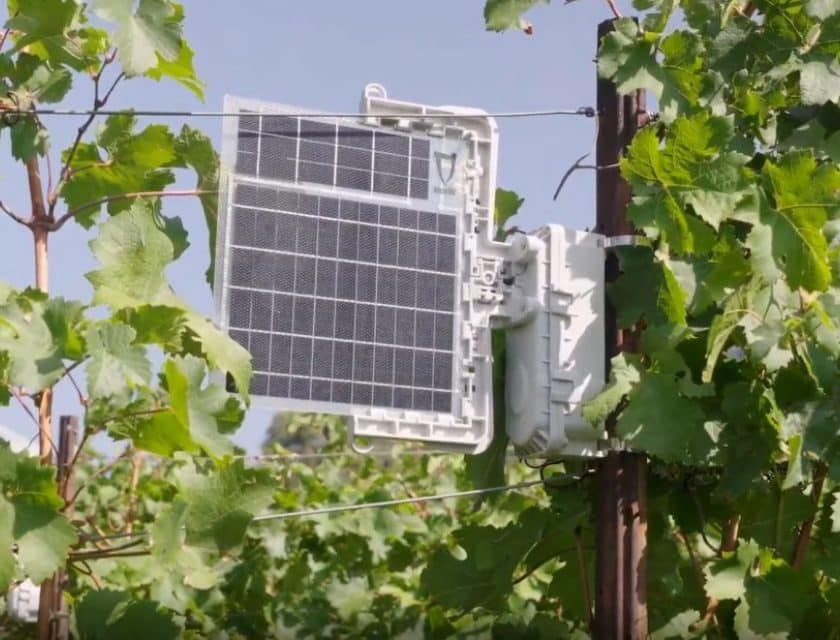
Colomba Bianca is developing a model based on data collection, observing how grape varieties respond to climate change, and sharing knowledge with members. “We collect data, monitor the responses of different varieties to climate change, and pass that knowledge back to our members. We are creating a virtuous circle of collective learning that enhances production excellence.” Filippi also points to the social role of the cooperative: “We distribute income, maintain a social presence in the countryside, and preserve the landscape.” Keeping young people in the vineyards is cited as a key element for the future of the territory.
SUPPLY CHAIN AND PRODUCTION INTEGRATION
In Sicily, member contributions in areas characterized by low yields and logistical difficulties are founded on quality. The Colomba Bianca model aims to integrate production and market. It is moving forward with both bulk and bottled wine and optimizing processes to ensure continuity and performance throughout the supply chain. The goal is to strengthen its presence in the most qualified distribution circuits. Furthermore, it meets the standards required by major European retailers.