IN BREVE
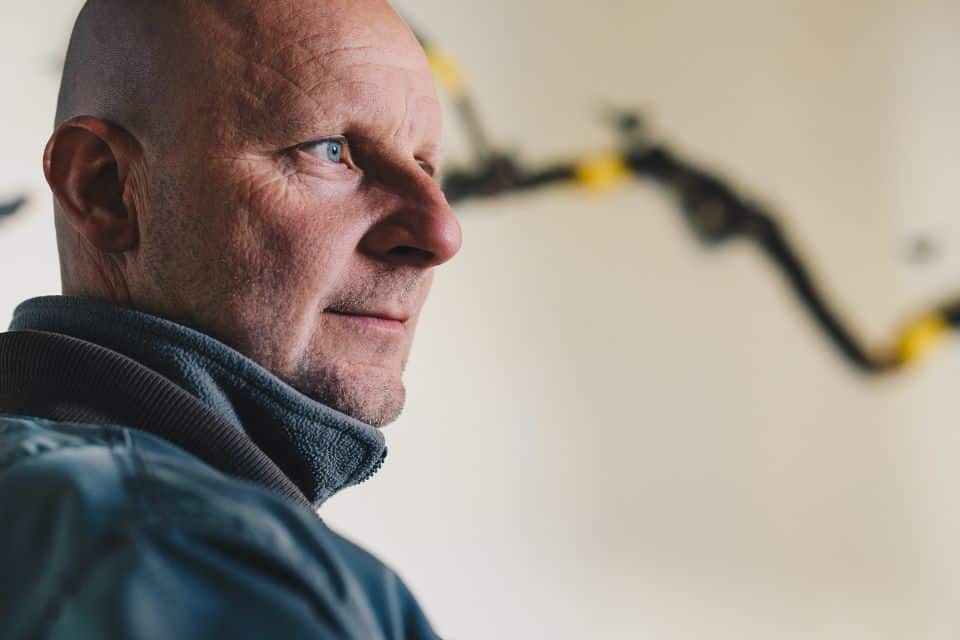
- The Terenzuola winery project, led by Ivan Giuliani, stands out for its promotion of Vermentino and Vermentino Nero.
- Giuliani has transformed the winery, growing from less than one hectare to 24 hectares across Liguria and Tuscany.
- The working philosophy involves minimal intervention and sustainable agricultural practices, with a particular focus on biodiversity.
- Recent harvests have been affected by climate change, but the quality and balance of the wines remain constant.
- Wines like Fosso di Corsano and I Pini di Corsano showcase the longevity of Vermentino from Colli di Luni.
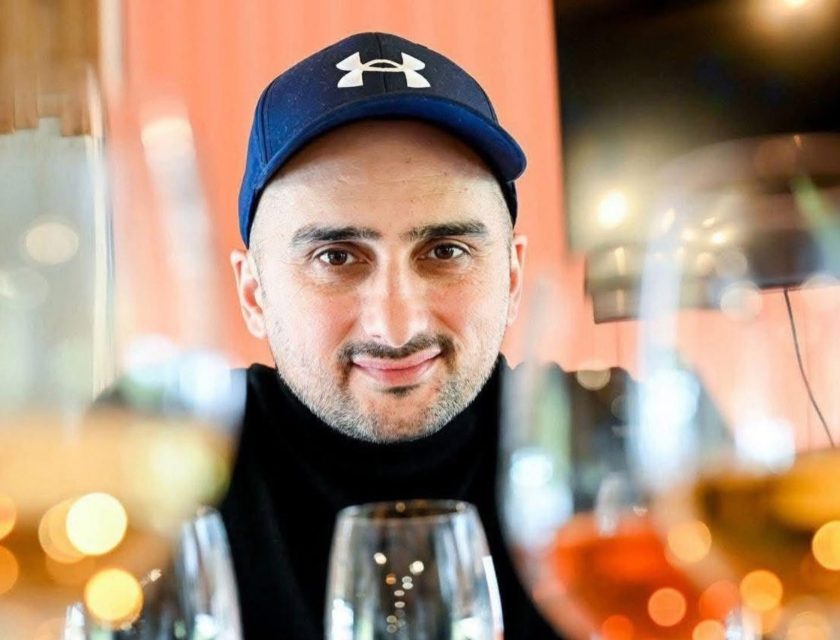
What if, ideally, Filippo Tommaso Marinetti’s “extreme promontory of the centuries” were located just a short distance from the Colli di Luni? The reference to Futurism, when speaking of the Terenzuola winery, is no coincidence. In the nineties, while others here continued to focus on grape varieties considered more predictable, Ivan Giuliani was already imagining something different.
TERENZUOLA, IVAN GIULIANI, AND VERMENTINO IN COLLI DI LUNI
A true personal manifesto – a gift to his family’s land – built more through choices in the vineyard than with words: working on Vermentino when it wasn’t a local priority, believing it capable of withstanding time—prosaically, of aging—and pairing it with Vermentino Nero, then considered a variety not worth betting on.
It was not a comfortable position at the time. Vermentino, in Colli di Luni, did not occupy the ideal physical space it does today. And the idea of pushing it toward longer evolution in the bottle seemed far from the territory’s habits. Even more off-center was the work on Vermentino Nero, which few took into consideration in a structured way. Giuliani chose to start there anyway, accepting a slow path. “Looking beyond the mountain.”
FROM FOSDINOVO TO CINQUE TERRE: THE GROWTH OF TERENZUOLA
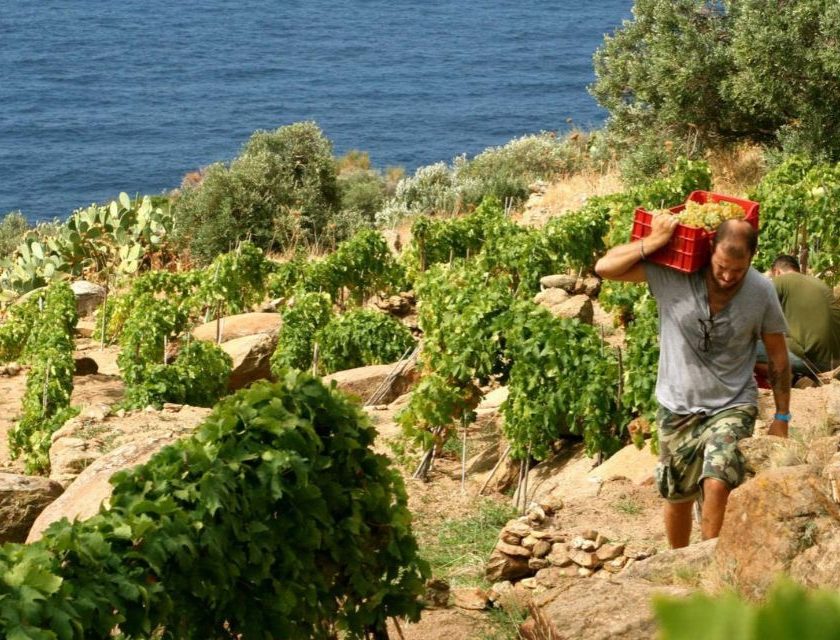
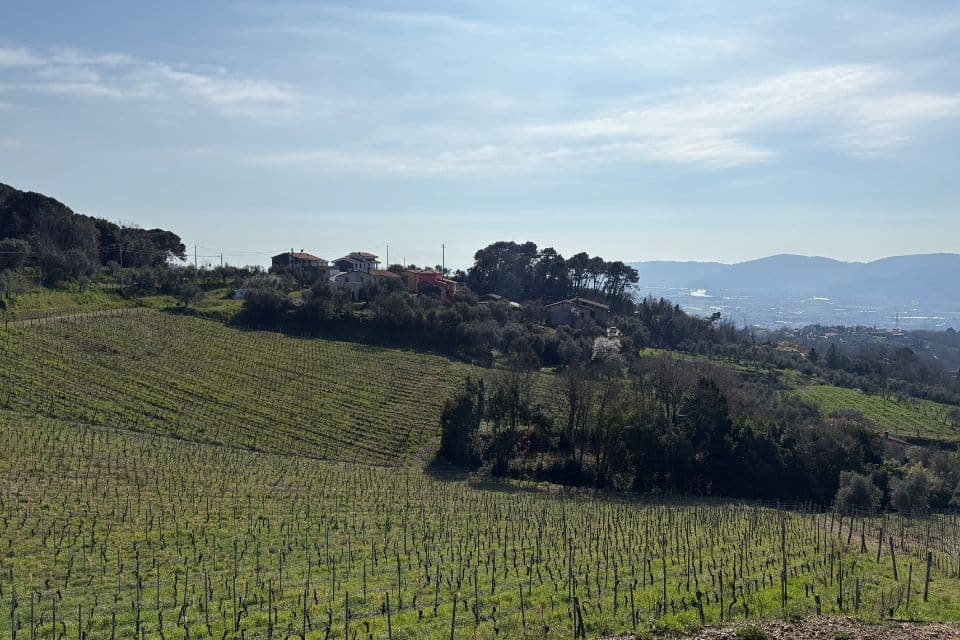
A step back. When he arrived for his first harvest in Fosdinovo in 1993, the family property didn’t even cover one hectare, managed for home consumption and local sales. In a few years, Ivan began to establish new plantings and seek out old vines in the surrounding areas, between the hills and the foothills. Growth has been progressive: today La Terenzuola counts about 24 hectares distributed between Liguria and Tuscany, along an area connecting the Cinque Terre, Luni, and the Apuan Alps.
Within this development, a firm idea of work remains constant: man acts as a guardian, intervening when necessary and stopping when there is no need to push further. On a more technical level, the bottles produced vary according to the vintage; the soil is tilled or left with cover crops based on the plant’s response. Sulfur or copper treatments follow the weather patterns.
HIGH-DENSITY VINEYARDS AND MASSAL SELECTION
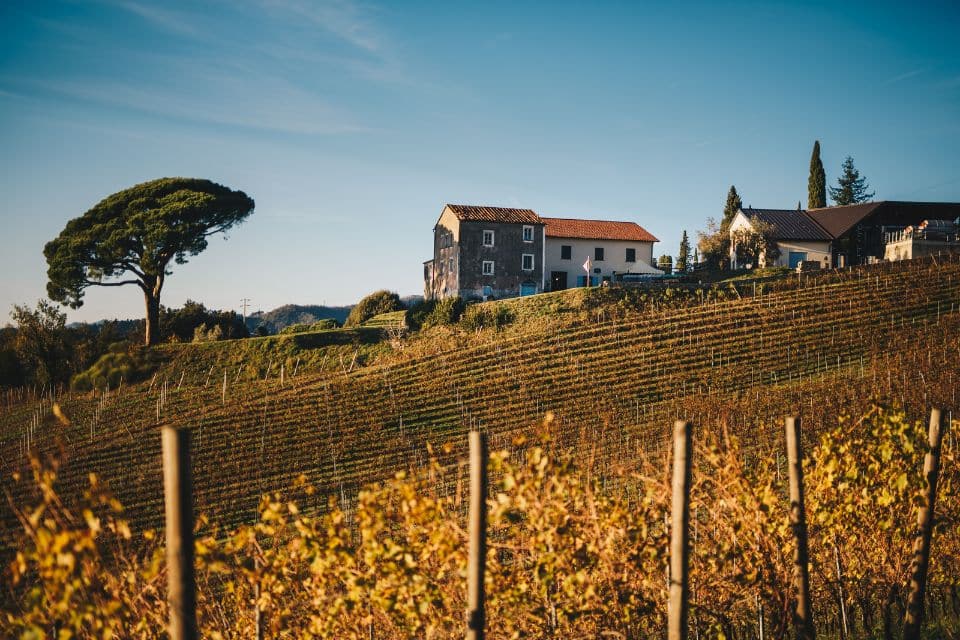
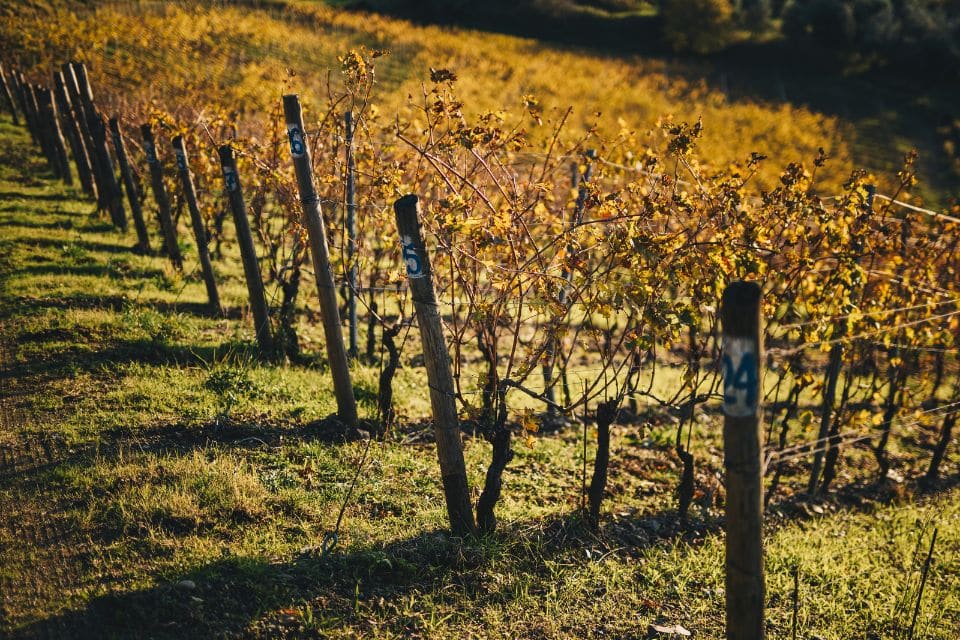
Fertilization is organic, using green manure and natural preparations. In the new vineyards, they are returning to high densities, up to 11,000 vines per hectare. The rootstocks come from massal selection of old plants, maintaining a direct link with the existing viticultural heritage. Yields remain low, less than one kilo per vine, also to preserve balance and identity.
In the cellar, the work continues with the same approach. Spontaneous fermentations, long macerations even for whites, and a multi-level structure that allows for gravity-fed rackings. The goal remains to accompany the wine without forcing its path.
CLIMATE CHANGE, ACIDITY, AND RIPENING
In recent years, climate change has also affected these slopes. Harvests are earlier than in the past. Yet, between the sea and the hills, acidity and pH still maintain a certain stability, offering conditions that allow for balanced work even with fuller ripeness. Furthermore, cellar experience allows Terenzuola to move with a certain advantage over other producers.
Let’s remember: the initial project also took shape through Vermentino Nero, now present in production with significant numbers—about 40,000 bottles—and set within a context, that of Candia and the Apuan Alps, which preserves a broad biodiversity built over centuries.
VERMENTINO NERO, CANDIA, AND CINQUE TERRE VINEYARDS
In the Cinque Terre, however, the vineyards are distributed across different altitude ranges, with distinct contributions: more structure near the sea, greater aromaticity in the intermediate zones. Natural freshness as the altitude increases. Re-read today, that intuition from the nineties appears less absurd than it might have seemed then, on the extreme promontory of the centuries.
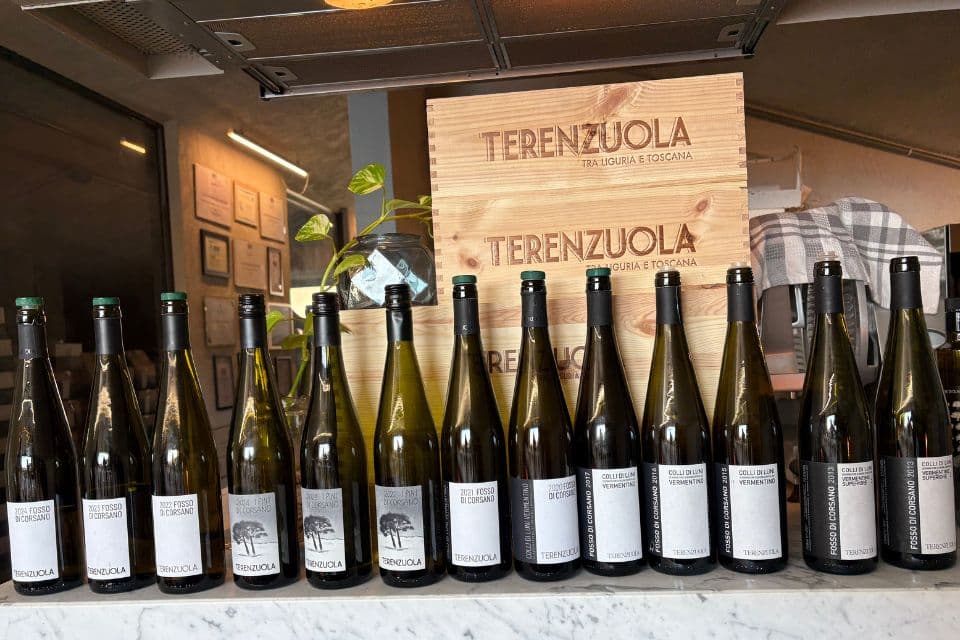
Comparative vertical tasting: Fosso di Corsano and I Pini di Corsano
- Fosso di Corsano Vermentino Colli di Luni 2024
A less classic Vermentino, but always with a textbook bitter finish. Fine and elegant, it has hints of chamomile and the mimosa that already dots the Colli di Luni in late February. - Fosso di Corsano Vermentino Colli di Luni 2023
A warmer and more humid vintage resulted in a wine that is certainly softer, but also readier than those of previous vintages. Less pronounced acidity. - Fosso di Corsano Vermentino Colli di Luni 2022
A round Vermentino despite the early harvest, due to the particularly hot and dry vintage (21 millimeters of rain in 3 months and forced grassing to protect the vines are the highlights of this vintage). - I Pini di Corsano – Vermentino Superiore Colli di Luni 2024
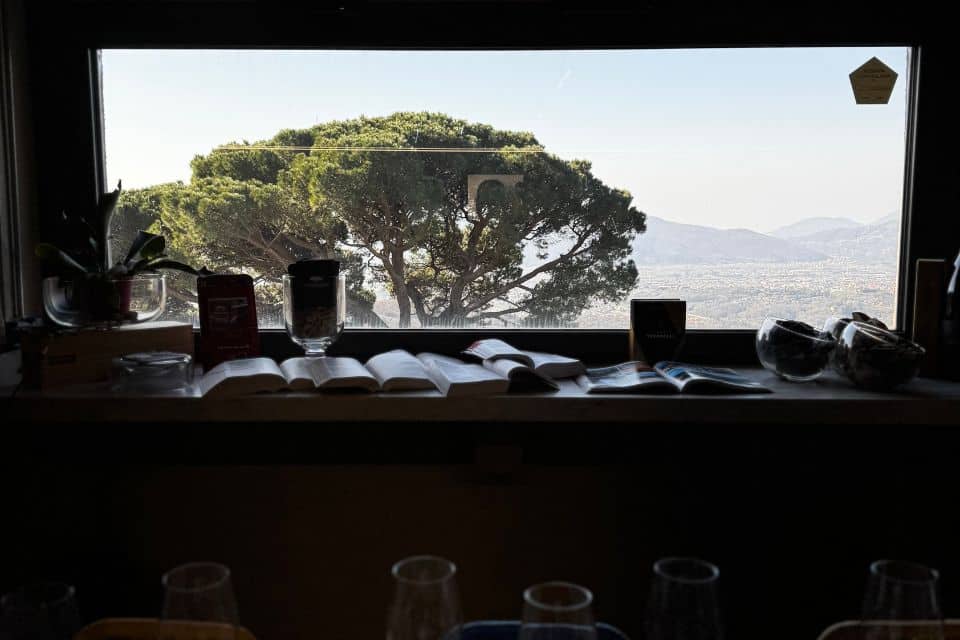
Named after the estate’s majestic century-old maritime pines. A decidedly frank Vermentino, recognizable even in a blind tasting thanks to its hints of oregano and Mediterranean scrub. It sees no oak, but is as soft as if it did. - I Pini di Corsano – Vermentino Superiore Colli di Luni 2023
Slightly more acidic than the 2024 vintage, it beautifully expresses the same idea of Mediterranean scrub, but like after one of those storms that reach the hills from Corsica. - I Pini di Corsano – Vermentino Superiore Colli di Luni 2022
The most bitter of the vertical tasting, and also the most fragrant. On the nose, it strongly recalls Mosel Rieslings: the Vermentino is only unmasked when it reaches the palate.
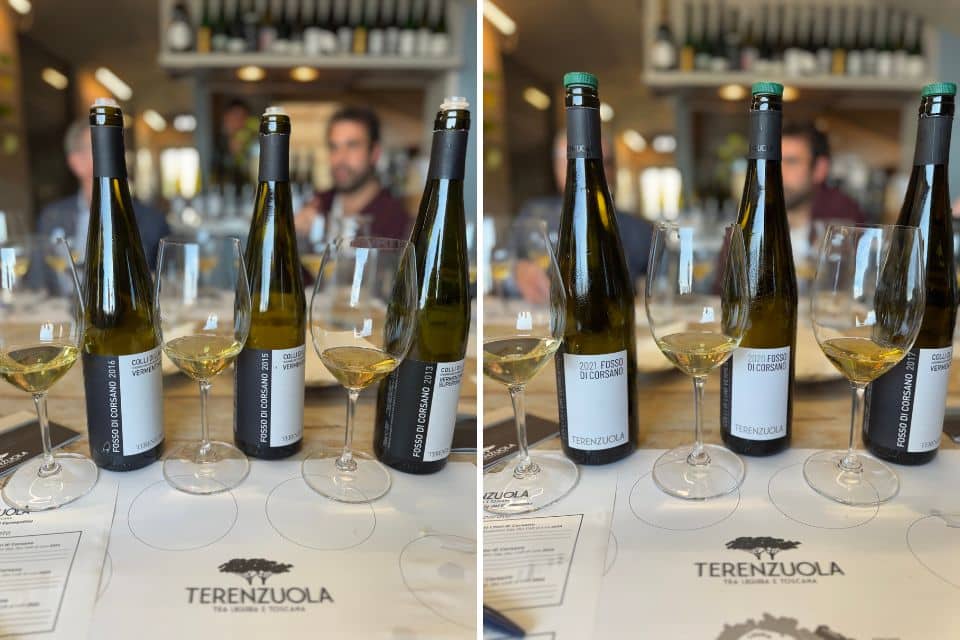
Vertical tasting of Fosso di Corsano
- Fosso di Corsano Vermentino Colli di Luni 2021
A vintage – Ivan Giuliani recalls – that started poorly with unexpected spring frosts, then improved. Time in the bottle has already softened a structure built to last. - Fosso di Corsano Vermentino Colli di Luni 2020
We all remember the spring of 2020: sunny and warm, followed by a balanced summer with little water stress for the plants. The Fosso di Corsano 2020 is a wine that has aged beautifully. - Fosso di Corsano Vermentino Colli di Luni 2017
Could it have been the drought-stricken summer that highlighted the flinty notes of this Vermentino, straight and tense as an arrow? Broom and laurel complete the complex bouquet. - Fosso di Corsano Vermentino Colli di Luni 2016
The slight sulfurous hint makes this Vermentino a better wine on the palate than on the nose. 2016 is universally considered one of the best vintages for this area, and beyond. - Fosso di Corsano Vermentino Colli di Luni 2015
A wine in top form, surprising despite being eleven years old. Papaya, peach, and other yellow-fleshed fruits are still present, as are broom and rosemary. - Fosso di Corsano Vermentino Colli di Luni 2013
Another surprising wine, considering its age: proof, if any were needed, of Ivan Giuliani’s foresight regarding this variety and these hills between Liguria and Tuscany. Green spices, hillside flowers, pulpy fruits. A dream.