IN BREVE
- Gunter’s Version is a project that celebrates wine as an experience and a narrative, bridging the gap between terroir and human labor.
- The project focuses on little-known wineries and limited productions, championing organic farming practices and biodiversity.
- The experiences center on the Azores islands and mainland Portugal, highlighting unique wines and indigenous varieties.
- A particular focus is dedicated to sustainable viticulture and revival projects in the wine regions of the Azores, Alentejo, and Douro.
Gunter’s Version was born as a selection project where wine is understood as an experience, a story, and a journey. At its heart is the idea that every bottle is an expression and a union of both a terroir and man’s work, a combination that creates a story to be told and shared. It is an experiential e-commerce platform where selected labels are accompanied by travel reports, images, and in-depth insights into their places of origin.
Selection criteria include organic and biodynamic farming, dry farming, the protection of indigenous varieties, and the promotion of marginal territories. Attention is focused on little-known wineries, limited productions, and emerging wine areas, with the goal of offering an alternative perspective on the oenological landscape.
THE MAN BEHIND THE PROJECT
A love for wine that blossomed in 2007 thanks to a 1993 Puligny-Montrachet. From there, Gunter began his personal journey of travel, encounters, tastings, and discussions. Dialogues with sommeliers, chefs, viticulturists, producers, and distributors brought him into contact with both great maisons and small, unknown wineries.
A path of listening, observation, and study led him over time to build his personal cellar, boasting more than 7,000 bottles. In 2020, at the age of 36, Gunter launched his project, driven by the desire to share his experience and dedicate himself to telling the story of wine in all its facets. The goal is to bring to light the excellence hidden within small-scale producers, reaching out to those who, like him, seek emotion and surprise.
THE WINE SELECTION
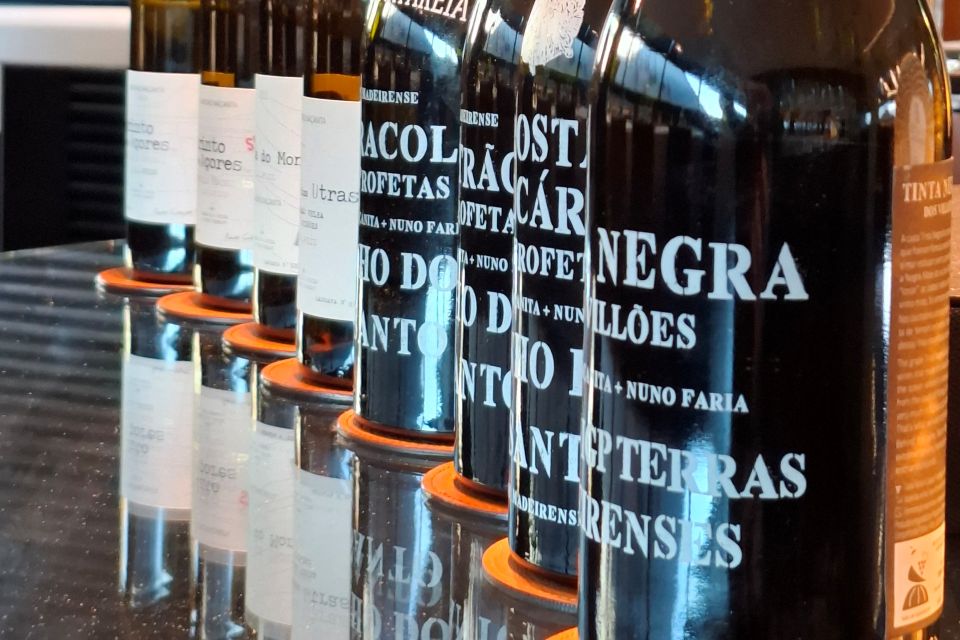
Gunter’s Version presented its experiences in the Azores (Madeira, Porto Santo, Pico) and Mainland Portugal (Alentejo and Douro) in Milan. Wine serves as a tool for connecting places, cultures, and communities where the terroir is the true protagonist. The result is a diverse picture: wines that undoubtedly tell the story of their territories of origin, in both a geographical and cultural sense.
It is primarily the whites from the islands that stand out and capture the attention, both on the nose and the palate. Ranging from fresh to more structured, they speak of the ocean, sands, and volcanoes. The reds are decidedly more subdued, perhaps a bit too “distant” from the palate and expectations of the Italian wine lover.
ATLANTIC ISLANDS: PICO, MADEIRA, AND PORTO SANTO
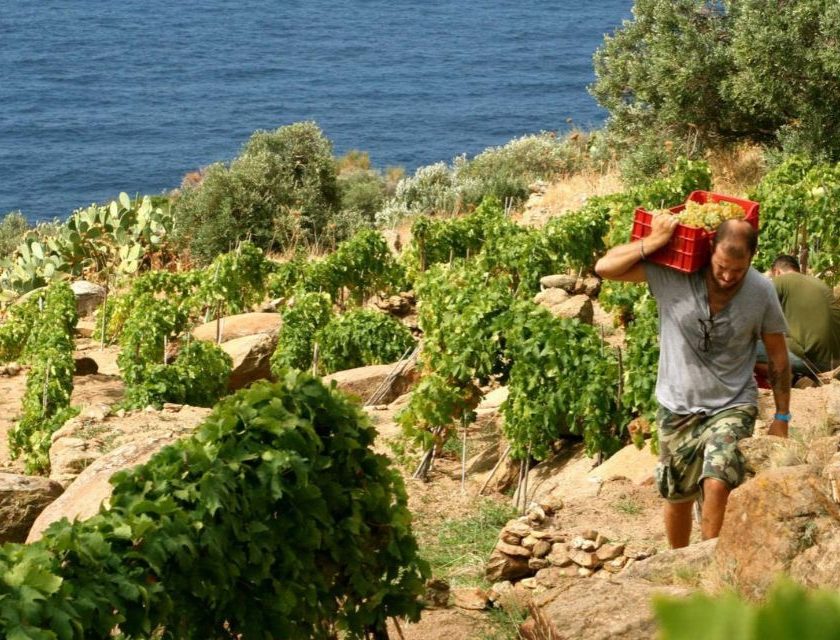
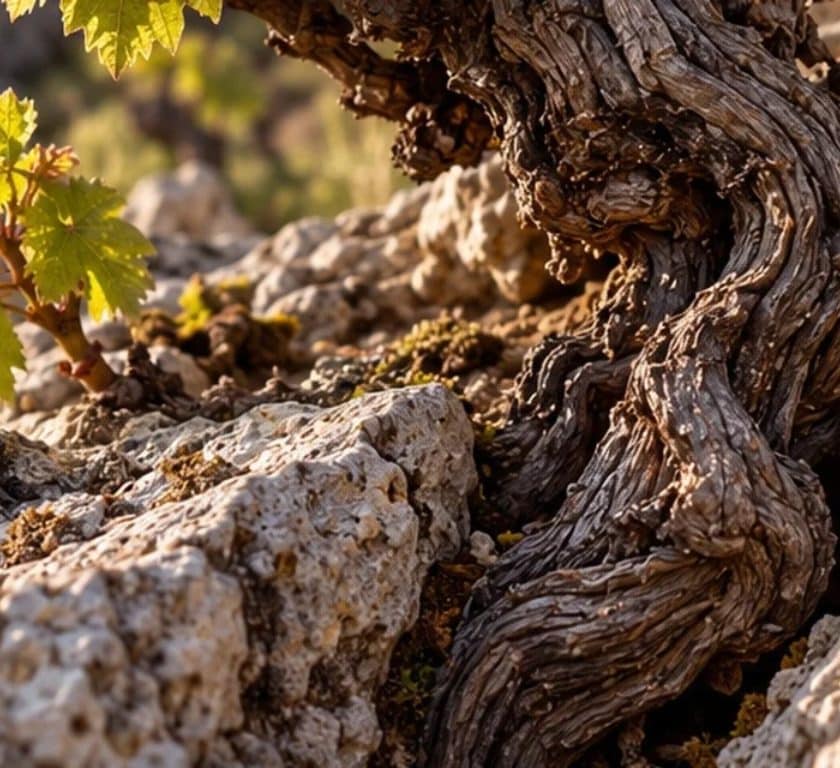
One of the project’s central paths crosses the Portuguese Atlantic islands, extreme territories where viticulture faces complex environmental conditions. On the island of Pico in the Azores, historic vineyards grow among volcanic rocks and stone walls, still worked by hand, which protect them from oceanic winds.
Productions are often organic or biodynamic, with low yields. Indigenous varieties, such as Arinto dos Açores and Terrantez do Pico, give rise to wines characterized by strong minerality, salinity, and complex aromatic profiles. After the crisis caused by phylloxera, local viticulture found continuity also thanks to resistant varieties like Isabella.
In Madeira, vines are cultivated on terraced volcanic slopes using the traditional latada system (a type of pergola). Varieties such as Sercial dos Villões and Tinta Negra form the basis of wines known for their aromatic depth. The oceanic climate, with high rainfall, and sustainable agricultural practices help define a recognizable style linked to the island’s tradition. Porto Santo, on the other hand, represents a more arid reality.
The landscape is characterized by limestone soils of marine origin and “oceanic” viticulture, with low-trained vines to defend them from strong Atlantic winds. The indigenous varieties Caracol and Listrão, also known as Palomino Fino, point to historical links with the Canaries and Jerez. The wines produced express freshness, salinity, and citrus notes, with a strong marine imprint.
MAINLAND PORTUGAL: ALENTEJO AND DOURO
The second leg of the journey is mainland Portugal, between Alentejo and Douro, two central areas in the contemporary reinterpretation of Portuguese wine. In Alentejo, the Fitapreta project, led by António Maçanita, is one of the examples of viticultural rebirth. António works on recovering indigenous varieties and historical practices with an organic and sustainable approach. Production includes whites like Arinto and Fernão Pires and reds based on Alicante Bouschet and Touriga Nacional.
This historical recovery work focuses not only on the vineyards but also on the historical and architectural heritage of Évora. In the Douro, the region is fragmented and rich in micro-terroirs; research thus focuses on the selection of specific plots and varieties. The wines are born from a non-interventionist approach, aimed at restoring the identity and notes of the selected sub-terroir.