IN BREVE
- The Piedmontese wine sector is facing a severe crisis, similar to those of 2008 and 2020.
- Despite falling production, wine stocks have increased, with a 6% rise at the national level.
- Grape prices are seeing significant collapses, down as much as 30% for some varieties, hitting winery profitability.
- Producers point to factors such as shrinking consumption and difficulties in foreign markets, exacerbated by extreme weather events.
- To alleviate the crisis, consortia are calling for urgent interventions, such as supply reductions and territorial promotion.
The Piedmontese wine sector is going through one of its most difficult phases in decades. A “structural and market” crisis, comparable in severity only to 2008 or the 2020 COVID-19 period. This emerged today during a hearing before the Third Commission of the Piedmont Regional Council, chaired by Claudio Sacchetto, where representatives of wine producer organizations were heard. The picture painted by the Piedmont Wine Consortia is stark: a generalized decline in trade, in both quantity and value, in a context where Piedmont is suffering more than the national average.
PRODUCTION DOWN, BUT CELLARS FULL
At the Italian level, 2025 production remained substantially in line with the previous year. Piedmont, however, recorded a 4% contraction compared to 2024 and the average of the last five years. A figure that, in itself, might suggest a rebalancing of supply. This is not the case.
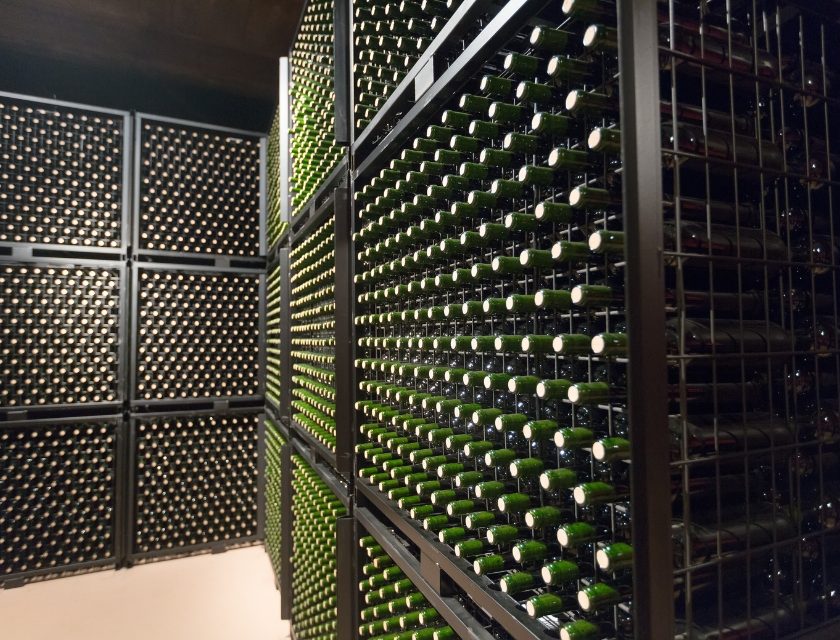
Despite the lower production, stocks have increased. Nationally, they exceed 61 million hectoliters, a 6% increase over the previous year. A signal that confirms the imbalance between production and demand.
GRAPE PRICES COLLAPSE
The most alarming data concerns grape prices, which are in freefall:
- Barbaresco: -27% on the price per kilogram compared to 2024
- Nebbiolo d’Alba: -22%
- Langhe Nebbiolo: -28%
- Barbera d’Asti: up to -30% for thinned and selected grapes
- Arneis and Dolcetto: reductions between -14% and -21%
This dynamic affects the region’s iconic denominations and puts pressure on the profitability of wineries, particularly those most exposed to the grape market.
THE CAUSES: CONSUMPTION, EXPORTS, CLIMATE, AND REPUTATION
Among the factors cited by producers:
- Shrinking consumption, with a progressive decline in volumes over the last five years
- Export difficulties, with an estimated 7% reduction to non-EU countries by the end of 2025
- The deterrent effect of the mere threat of US tariffs, which never came into force but were capable of slowing down trade
- Extreme weather events, which are increasingly frequent and impactful on vineyards
- The OECD campaign that associated wine with carcinogenic risk, without similar emphasis on other spirits like gin, whisky, or beer—an element that, according to producers, highlights the lack of political weight of France and Italy at international tables
The result is a system under pressure on multiple fronts: weak demand, uncertain foreign markets, rising costs, and a challenged reputation.
CONSORTIA REQUESTS: DECONGESTING THE MARKET
To safeguard the income of the thousands of families involved, the consortia are calling for immediate interventions to “decongest” the market. Among the proposals:
- Short-term actions to reduce surplus supply
- Greater territorial promotion
- Diversification of commercial channels for the denominations most in difficulty, particularly Barbera, Dolcetto, Cortese, and Moscato
In the Commission, questions were raised by councilors Davide Zappalà (Fdi), Annalisa Beccaria (Fi), Fabio Carosso, Marco Protopapa and Gianna Gancia (Lega), Fabio Isnardi (Pd), Alice Ravinale (Avs), and Daniele Sobrero (Lista Cirio), signaling cross-party concern.
A CRISIS BEYOND PIEDMONT
The situation in Piedmont represents a wake-up call for the entire Italian wine system. The combination of falling consumption, geopolitical tensions, regulatory pressure, and climate change is testing a model that for years has relied on exports and the added value of denominations.
Today the challenge is not just commercial. It is structural. And it concerns the economic sustainability of a sector that, in Piedmont as elsewhere, is an integral part of the social and productive fabric of the territory.