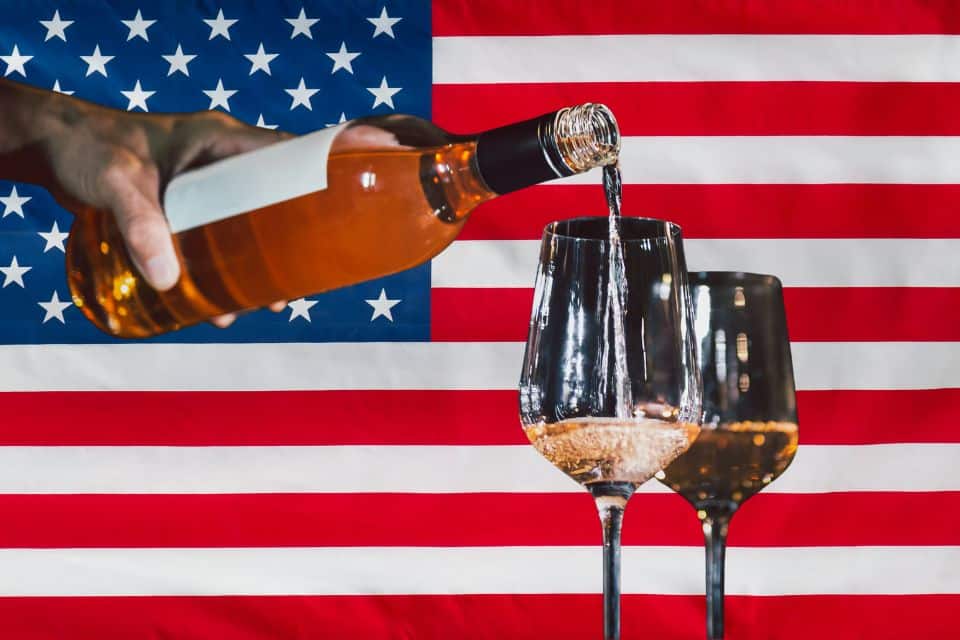
The United States is imposing additional tariffs on European wine bottles and glass from India and China starting August 7. Heavy penalties are planned for those attempting to circumvent the rules. Small-scale producers and price-sensitive formats are particularly affected.
Starting August 7, 2025, the United States is implementing a new tariff regime affecting both wine and glass. For standard wine bottles from the European Union in 375 ml, 750 ml, and 1-liter formats, a 15% tariff now applies. Shipments that meet the “on the water” criteria before this date and are cleared through customs by October 5 can continue to benefit from previous tariff rates.
WINE AND GLASS IN THE CROSSHAIRS OF THE NEW TARIFF REGIME: THE US AXE ON WINE AND GLASS
Any attempt to circumvent the rules through transshipment or triangulation is subject to a punitive 40% tariff, in addition to possible fines and penalties. The new framework also affects glass imported from non-EU countries. Starting August 7, tariffs on Indian glass rose to 25% and will reach 50% on August 27. For Chinese glass, an increase from 30% to 54% is scheduled for August 12. Barring diplomatic developments. In Canada, during the same month, tariffs on fentanyl-related products increased from 25% to 35%, with goods of USMCA (United States-Mexico-Canada Agreement) origin remaining exempt.
According to sources in the European Union and New Zealand, smaller companies risk bearing the heaviest impact. Particularly at risk are those operating with smaller formats and price-sensitive market segments. For US importers and bottlers, it becomes necessary to review sourcing, margins, and positioning strategies to absorb or redistribute the impact of new costs.
VALUE-ORIENTED CONSUMERS AND DIFFERENTIATION OPPORTUNITIES
An analysis by Deloitte shows that over half of consumers have recently switched brands, not to seek a lower price, but to obtain better perceived value. Nearly 40% plan to treat themselves to a “small but meaningful” purchase in the coming months. This data keeps demand for premium wines and spirits alive. Provided they can justify the expense with quality, refined packaging, and effective storytelling. In a context of price increases and greater complexity in international trade, the challenge for wine producers and glass suppliers is differentiation.
Quality, attention to detail, and the ability to communicate the product authentically. These are the decisive levers for maintaining competitiveness and attracting consumers willing to invest in a superior experience, even in the presence of higher tariffs. In this scenario, perceived customer value becomes a central factor. And a company’s ability to adapt quickly to market changes, such as those imposed by new tariffs, can determine whether it remains in high-margin segments.