If there is a wine and grape variety from Hungary that is almost unknown, it’s Juhfark. The literal translation, from the complicated Hungarian language, only helps us understand the characteristics of the grape cluster, shaped like a “sheep’s tail“: “juh” means “sheep” and “fark” – a contraction of “farok” – is indeed “tail.”
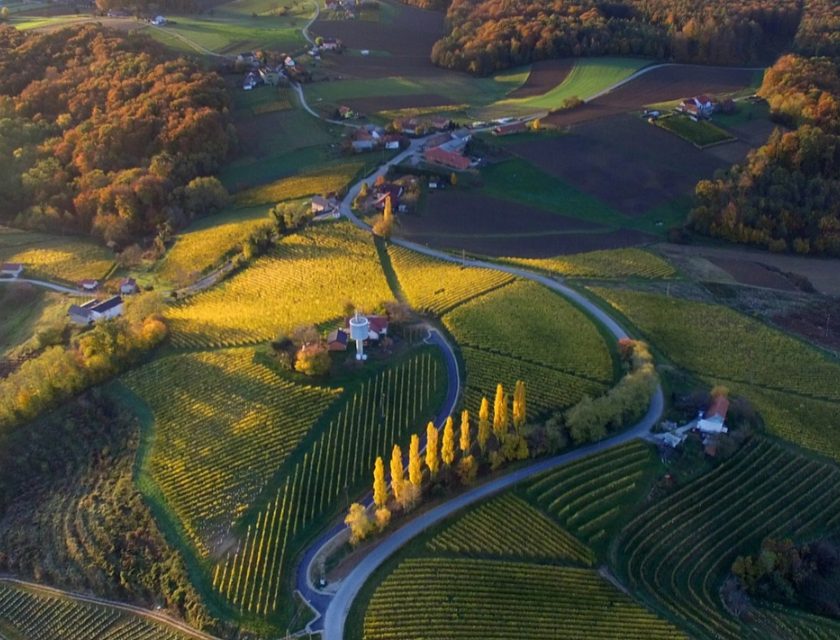
Juhfark, placed under WineMag.it’s magnifying glass through a rare tasting of 26 labels, finds its most suited terroir in the volcanic soils of Nagy-Somló. We’re in the northwestern part of Hungary, in an area of just 768 hectares.
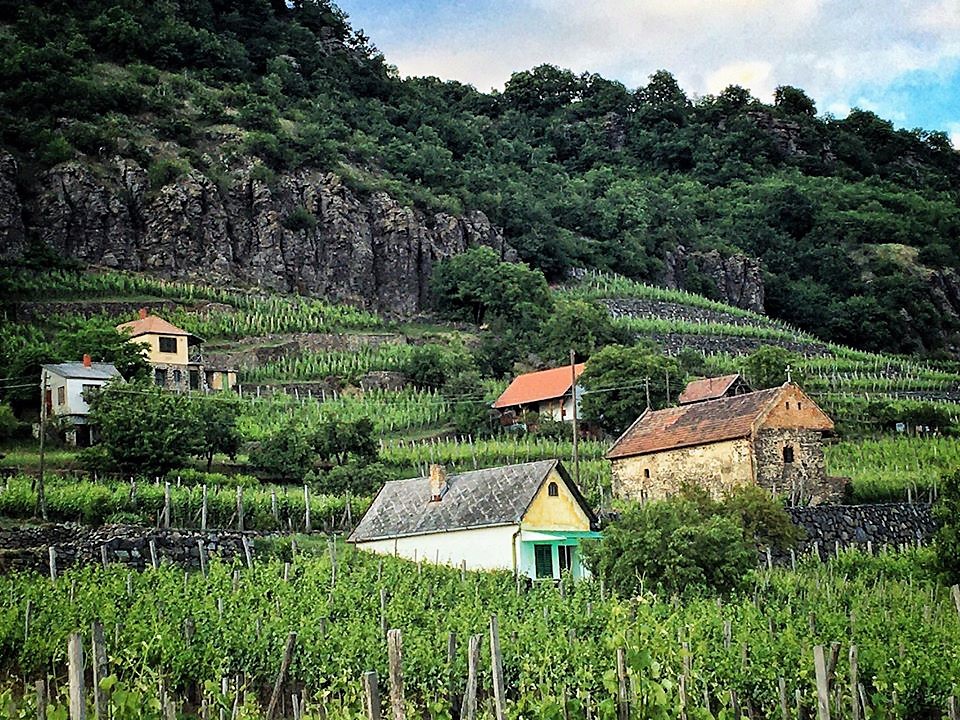
A figure that includes the 326 hectares of the “sub-zone” of Somló, the smallest denomination in the country (Tokaj, to stay in Hungary, covers as much as 5,100 hectares). Juhfark’s spread eastward, into Etyek-Buda, yields wines with less interesting characteristics.
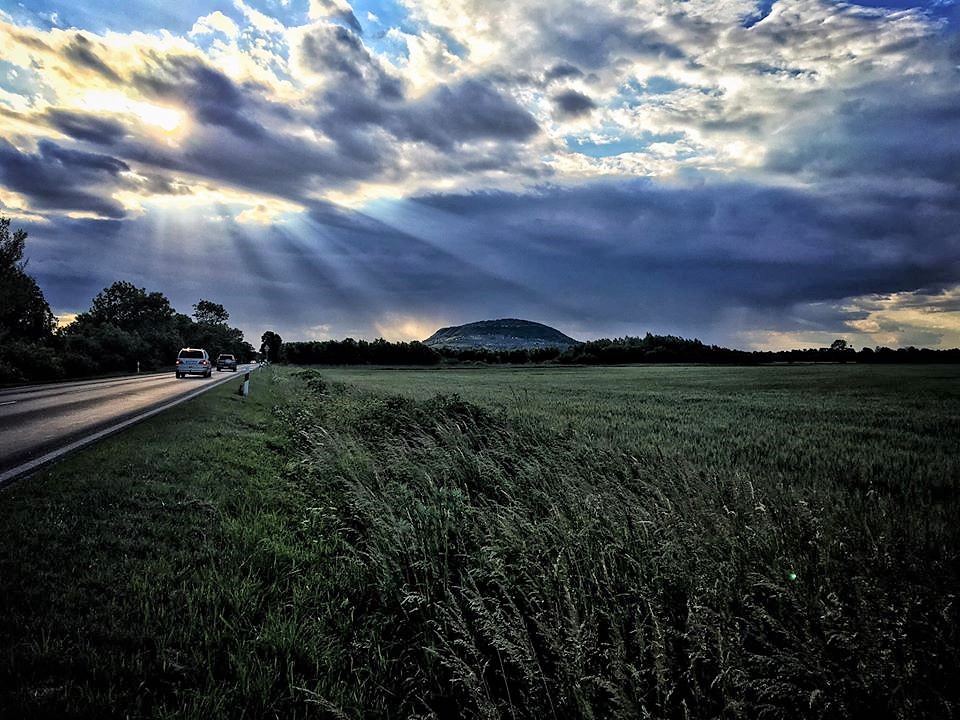
On tasting, Juhfark stands out for its exceptional ability to act as a mouthpiece for Somló’s volcanic terroir. A unique asset available to this Hungarian native variety, helping it make increasing headway on the international scene.
Beyond its pedological and microclimatic characteristics, the “Sheep’s Tail” is also heavily influenced by the weather conditions of the vintage. Aside from individual winemakers’ choices, it’s not hard to find side by side labels that differ considerably, starting with an alcohol content by volume that can range from 10.5% to 15%.
Juhfark takes all the time it needs to best express the peculiarities of the volcanic soil. It does so in the vineyard, budding early but ripening relatively late. And it does so in the bottle, yielding wines capable of becoming increasingly complex over the years, more deserving than ever of long aging.

PGI Dunántúli Juhfark 2019, Szent István Korona (11.5%): 82/100
Clear, bright straw yellow. On the nose, white flowers and ripe, exotic fruit: yellow peach, banana. A mineral touch, but the fruit is the real marker. Good consistency on the palate. Soft entry and a fresh finish, but above all saline. Then the fruit returns. A decent wine for its modest price, though not entirely able to fully express the variety’s unique characteristics. 82/100
Etyek-Budai PDO Juhfark 2018, Szent István Korona (11%): 80/100
Nice straw yellow. Nose less explosive than the previous one. Besides the fruit, a vegetal touch and an iodine, mineral perception, more pronounced than in the other sample from the same winery. On the palate, however, the wine comes across as unbalanced toward salinity, lacking fruit. A nectar meant for consumption no later than the year following the harvest.
Nagy-Somlói Juhfark 2017, Kreinbacher (12.5%): 87/100
Nice straw yellow with golden highlights. Broad, elegant nose. White flowers and ripe exotic fruit, pineapple, papaya, mandarin pulp. But also a significant mineral note (wet stone) with hints of orange peel and a light touch of spice. On the palate the wine shows a certain structure and complexity.
The entry is on fruit and salt, ready to widen into a sweeping freshness that anticipates a mineral close. A very inviting and balanced sip, between returning notes of ripe exotic fruit and iodine. A wine with further potential for bottle aging.
Somlói Juhfark Selection 2017, Kreinbacher (13%): 89/100
Straw yellow in color with golden highlights and greater density than the previous one. On the nose an even more pronounced minerality (iodine, flint) paired with fruit of great precision: yellow peach, apricot. A fruity component that perfectly supports the nectar’s volcanic matrix.
The sip mirrors the olfactory anticipation: great minerality is met by full, textured fruit. Hardness and softness are in great balance, a precious interplay for food pairing. As long as close attention is paid to the finish, with the curtain falling decisively on a slightly bitter citrus note.
Nagy-Somlói Juhfark 2015, Kancellár birtok (13.5%): 88/100
Nice golden yellow. Shy but precious nose, ready to open up with oxygenation. Once again minerality is well in evidence, along with a fully ripe exotic fruit component. The mineral part turns to gunpowder, over notes of yellow flowers, yellow-fleshed peach, and melon.
A light alcoholic perception from the nose onward, which then turns into a “powerful” richness on the palate. On the palate the nectar enters soft and then firms up with freshness and sapidity, in a sip that gains citrus notes compared to the nose. Good food-pairing potential. A wine that transforms in the hours after opening, improving further.
Nagy-Somlói Juhfark Selection 2017, Csordás Fodor Pincészet (12%): 87/100
Bright straw yellow. Ripe, exotic fruit. An aromatic hint reminiscent of Gewürztraminer’s lychee. Apricot in syrup, pineapple. It opens simply on these notes, joined by a mineral streak.
On the palate the ripe notes return, but with a saline, fresh push capable of rebalancing them. A wine that closes on a vaguely bitter, spicy note, paired with good freshness. Sufficient persistence.

Nagy-Somlói Prémium Juhfark 2019, Tornai Pincészet (13%): 90/100
Straw yellow with greenish highlights. Great precision and intensity of fruit, white- and yellow-fleshed peach, perfectly ripe exotic hints, very fresh mint and (faint) hints of licorice. The longer it sits in the glass, the more it opens up, splendidly. Notes of lemon, citrus, verbena. Wisteria flowers and a spicy accent.
On the palate, however, it shows all its youth, with an explosive freshness, taut like a violin string, on notes (here they are again) of citrus and lemon. The mineral and saline streak is also accentuated, dominant. A baby label, ready to explode and grow into something great, long-lived, full of character. Typical.
Nagy-Somlói Juhfark 2018, Csetvei Pincészet (11%): 85/100
Straw yellow. A rather slender wine, marked by very easy drinkability. It needs to open up to reveal the mineral streak, which dominates the fruit. Peach and hints of ripe pear. Then citrus and floral accents, a touch of powder. Light body, in line with the low alcohol content. Only citrus notes and a saline finish. Closes slightly astringent.
Nagy-Somlói Juhfark 2017, Csetvei Pincészet (12%): 88/100
Straw yellow. Intense nose, on fresh white flowers, particularly pronounced minerality, along with a talc-like, citrusy streak and hints of grey tea leaves. Perfect match with the palate. Structure not particularly on display, but a certain elegance in the sip.
The mineral streak serves as the backbone along with the freshness, before a fruity, citrusy close that reflects the volcanic matrix of the soil, with flint notes. A young one that will benefit greatly from a few more years of evolution.
Nagy-Somlói Juhfark 2017, Szalai Antal Pince (13.5%): 89/100
Straw yellow leaning toward pale white. Shy nose at first, then opens up to notes of fresh flowers, ripe exotic fruit, cotton candy, mint, and the volcano’s typical minerality. A spicy accent emerges with oxygenation, in a nose that gains precise citrus notes.
On the palate, great fullness and good structure, a sip that is fresh and broad at the same time. Also saline. Nothing is missing, really. Persistence well above sufficient, for a wine that shows excellent food-pairing potential, played out through the balance between hardness and softness.
Nagy-Somlói Juhfark 2017, Apátsági Pince (11%): 93/100
Golden yellow. Great nose, broad, ripe exotic fruit bordering on candied, citrus, pineapple very much in evidence, field flowers, between dry and fresh. The mineral, volcanic streak is also present. On the palate it is soft yet taut at the same time, in a balancing act that invites another sip. A shining example of the quality peaks achievable by the variety.
Juhfark 2018, Tornai Pincészet (11.5%): 87/100
Straw yellow with greenish highlights. Fruit in evidence on the nose, perfectly ripe: white-fleshed peach, exotic notes, loquat, a touch of citrus, fresh white flowers. Minerality is there, but more evident on the palate. Salinity against which an elegant fruit plays, before a close between almond and citrus. A linear wine, rather simple but very well made and respectful of the variety.
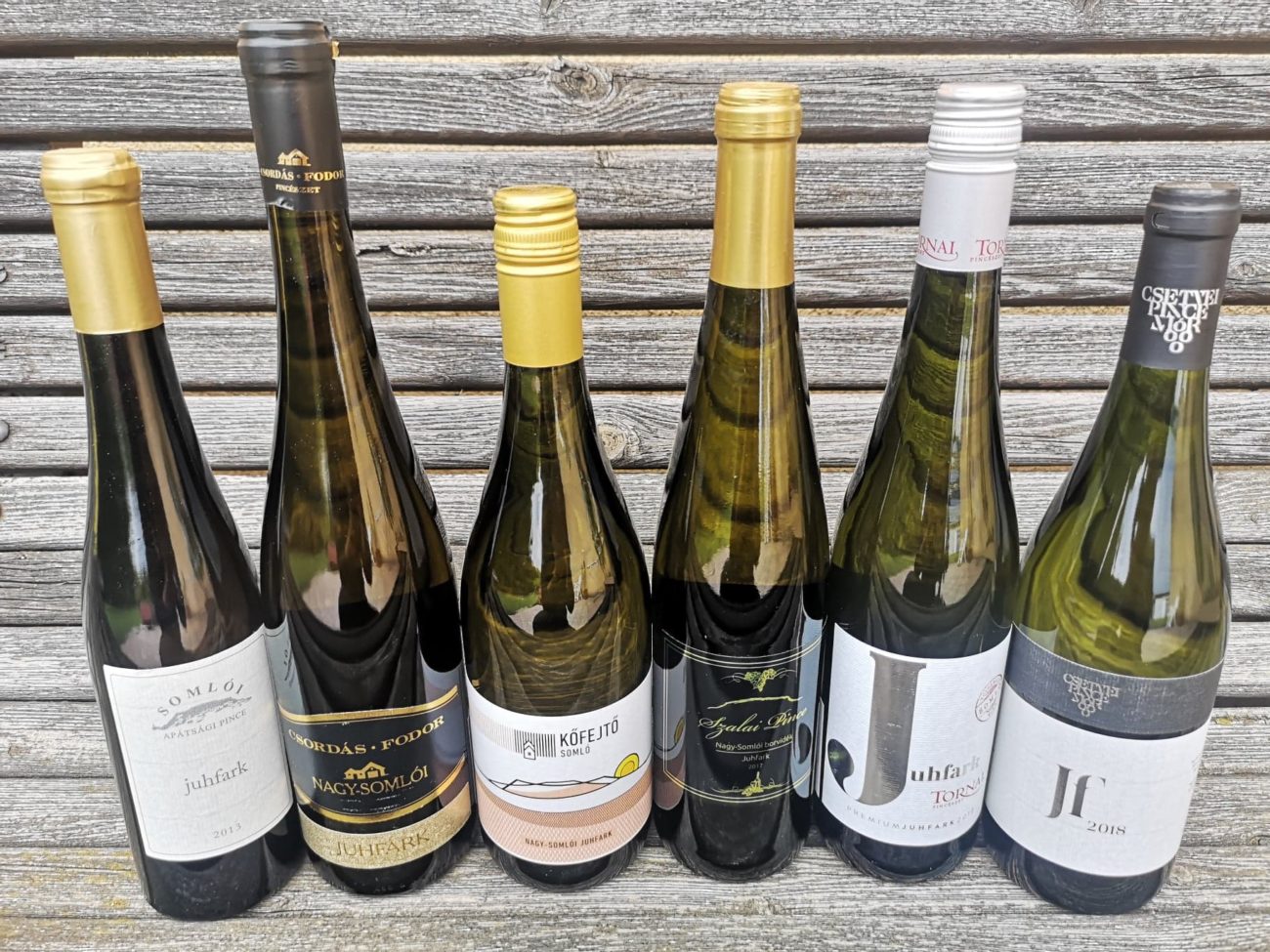
Juhfark 2018, Canter Borház (10.5%): 84/100
Golden yellow. Particularly intense nose, on notes of candied citrus, ginger, field herbs, chamomile tea. The volcanic note is halfway between gunpowder and iodine, accompanied by an oxidative streak. The herbaceous note, over citrus peel, is instead the first to reappear on the palate.
The sip is light and graceful, well balanced between salinity and fruit of pleasant presence, played between citrus and the main returning note, that of chamomile (there’s the oxidation again). Not exceptional complexity on the retronasal finish, which rather surprises for its length and freshness, with a slightly spicy closing curtain.
Juhfark 2018, Zsirai Pincészet (12.5%): 89/100
Straw yellow. The nose, recognizable among a thousand others, of Somló’s Juhfark: talc-like, mineral puffs over full, ripe, white-fleshed fruit (peach). The herbaceous note (licorice stick) rounds things out, adding further charm to an already enchanting picture.
The touch of oak turns toward bourbon vanilla and light toffee, blending in and adding complexity. The sip is full, round, soft, with the oak even more in evidence here, though never risking overwhelming the varietal. A Juhfark firmly rooted in Somló with an eye on international appeal. Interesting in terms of potential.
Juhfark 2018, Kis Tamás Somlói Vándor Pince (12%): 92/100
Straw yellow with golden highlights. Full fruit (white-fleshed peach, citrus), rightly ripe, a touch of oak (toffee, a precious hint of smoke). On the palate – on entry – great fullness, richness, without giving up the typical verticality and salinity of Somló’s wines, which emerges mid-palate and carries through to a very long finish.
Substance, flesh. Then salt. Another wine of great character and food-pairing potential, showing uncommon structure and “weight” on the palate. The finish is elegant, savory, fresh, with a smoky touch that invites another sip. Young, already excellent, but perfect for long aging. Another example of typicity and international appeal combined divinely.
Juhfark 2018 Teraszok, Kis Tamás Somlói Vándor Pince (11%): 90/100
The bottle’s weight is surprising, in contrast – on a purely aesthetic and conceptual level – with the “lightness” of the alcohol content by volume (just 11%). Straw yellow color with lovely golden highlights.
On the nose, complex, with fruit underneath a layer of pronounced smokiness, volcanic rock, and citrus and herbaceous hints, joined by fresh, talc-like notes. The oak’s contribution is not lacking: toffee, bourbon vanilla. The sip is taut on entry, fresh and saline, before opening up to the fruit mid-palate.
It then returns once again to an inviting iodine note on the finish, rounded out by the oak. A wine that reveals its extreme youth especially on the retronasal finish, with notes of wet stone, smoke, and once again bourbon vanilla. A nectar to wait for, certainly not yet at its full potential.
Juhfark 2018, Apátsági Pince: 94/100
Beautiful color, a full straw yellow with intense golden highlights. Extraordinarily expressive nose. The fruit is full, very ripe, pulpy. Yellow peach more than white, exotic notes reminiscent of papaya and pineapple, a hint of candied ginger and ripe fig.
The touch of oak is evident, just as (even more) evident are the fresh floral hints and those of citrus peel, for a “green” component that adds complexity to the picture (verbena, licorice, ginger).
On the palate, the usual fullness and expressiveness of a unique Juhfark: the softness of the ripe fruity notes (once again exotic, citrus) pairs with an explosive freshness, with the typical hardness of volcanic wines acting as their backbone. Drink now and cellar for a bright future.
Dunántúli Juhfark 2019, Törley (11%): 82/100
Vivid straw yellow. Nice straw yellow. Broad nose, fruity, citrusy, talc-like touch, vegetal with Mediterranean scrubland nuances. On the palate more vertical than expected, entirely played on citrus. A simple, correct, well-made wine.
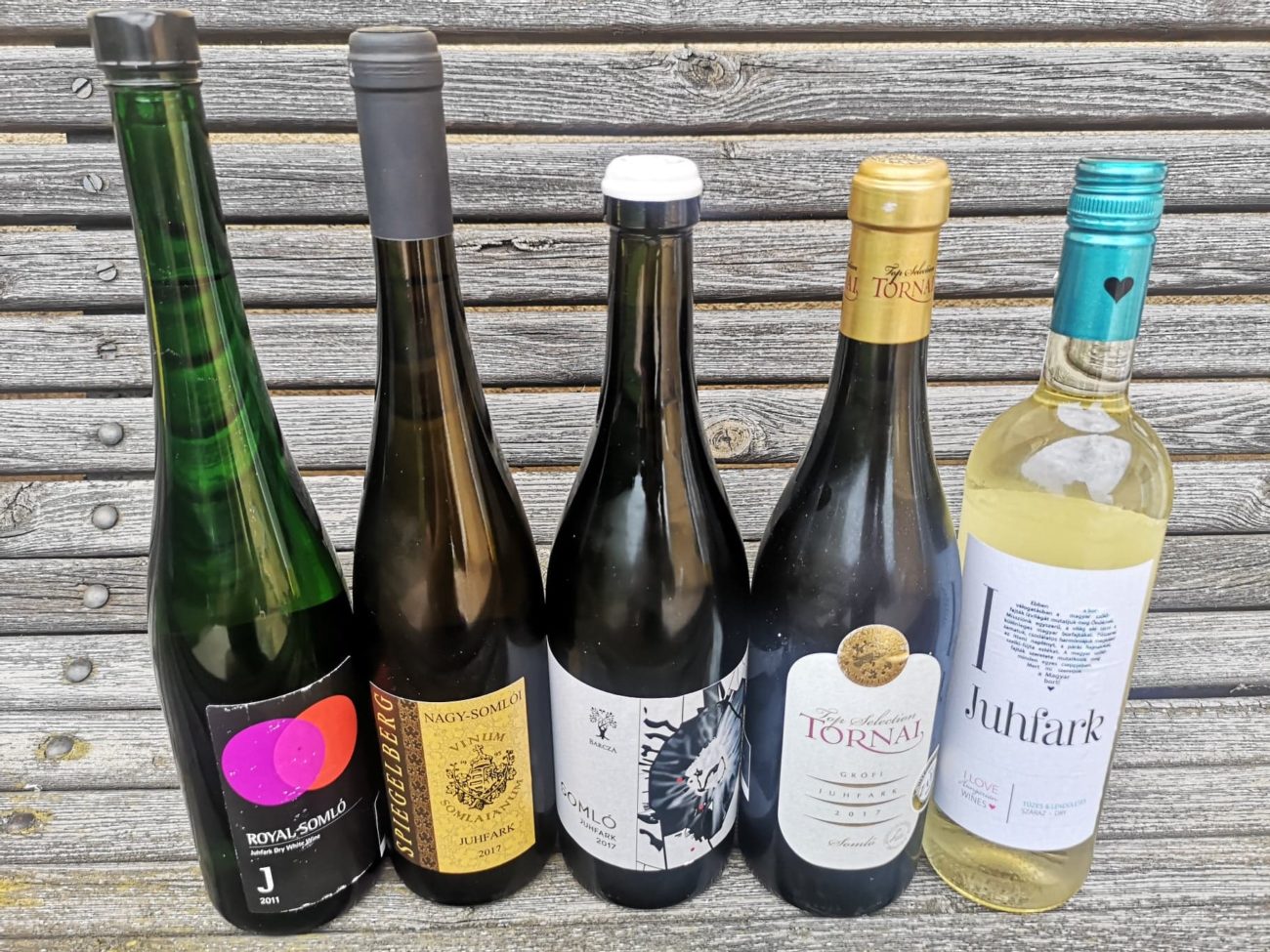
Grófi Juhfark 2017 “Top Selection,” Tornai Pincészet (15%): 93/100
Here Juhfark loses a bit of its proverbial lightness and minerality, becoming, thanks to the oak’s contribution, a full-bodied wine (without giving up elegance), capable of accompanying even hearty meat dishes. To the eye it appears an inviting, very bright golden yellow.
A clear hydrocarbon note on the nose, together with mint and hints of dried fruit. Close behind come hints of Mediterranean scrubland, fennel, anise, with an underlying note from the oak: it shifts toward coffee grounds and toffee candy.
A fruity entry on the palate, on dried peach. On the scale, between the opening note and the last, an explosive freshness, played on notes of bitter almond, citrus, exotic fruit (apricot, papaya, pineapple), iodine accents characteristic of the area, and vanilla.
A wine like few others of international caliber, endowed with absolute food-pairing potential, keeping in mind though the bitter-almond close. A nectar that, moreover, is still young, at the start of a long journey.
Somló Juhfark 2017 Barrel Selection, Barcza Bálint (13.5%): 92/100
Only 1,333 bottles of this Hungarian natural wine label. Full straw yellow, nicely bright. A nose that stands completely apart from many other tastings, with its hints of pear, ripe white peach, and mint.
The oak’s contribution is evident, but doesn’t disturb the varietal. If anything, it enhances it and adds complexity. On the palate, an extraordinary freshness, well balanced by the fruity notes. The mineral streak is also clear and well defined, forming, together with the acidity, the label’s backbone.
The ripe fruit and the glyceric streak are found to be not only well integrated, but also necessary to support minerality and freshness. The precision of the sip is exemplary, especially for the fruit’s concentration and its balance with the hardness. A natural wine with all the trimmings, among the best tastings overall of the 2017 vintage.
Nagy Somlói Juhfark 2017, Spiegelberg (12.5%): 90/100
Full golden yellow. Linear, clean nose, ripe fruit typical of the variety and a mineral streak, with notes of candied ginger. Citrus is present as well, along with a very delicate hint of vanilla. The volcano’s “spirit” is much clearer, on gunpowder notes.
The sip is elegant, vertical, savory, and precise, without giving up a certain “substance” and “fullness” in the fruity component. An equally precise and balanced close. A wine that doesn’t excel in complexity but can give immense satisfaction at the table and with further bottle aging: time can only do it good.
Juhfark 2011, Royal Somló Vineyards (Prolingo Bt): 92/100
Nice bright golden yellow. Fresh, iodine-driven nose, with a perfectly ripe fruity component. Distinct minty, talc-like streak. A wine that needs time to open up, on notes that also veer toward a delicate spiciness (white pepper, cumin). A vegetal component is also present, on verbena and bay leaf, but also licorice root.
A clear hint of beeswax, which will later appear on the retronasal finish. On the palate it reveals an explosive freshness, rebalanced by honeyed and ripe-fruit notes. A “hard” component also made up of a well-defined salinity, which marks the nectar’s territory of origin. On the close, the honeyed note returns. Almost 10 years old and you’d never know it: a winner.
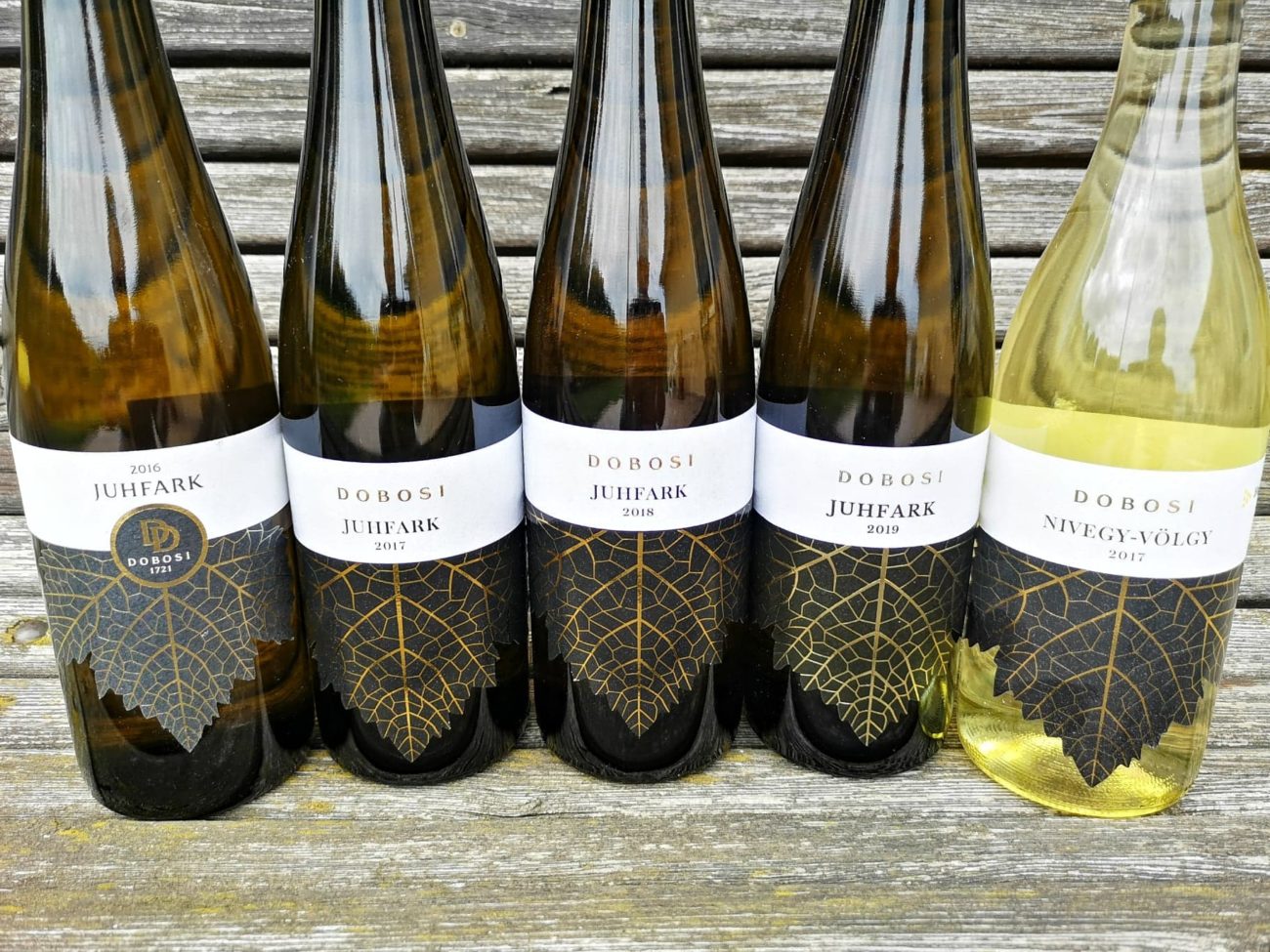
Organic Juhfark 2016, Dobosi (13.5%): 89/100
Nice straw yellow with golden highlights. On the nose, chamomile, citrus peel, very ripe white peach. All wrapped in a lovely iodine streak (very different from Somló’s). Vertical, savory entry, strikingly sharp, with the sip slowly opening up to ripe fruit while still retaining its saline streak. A pleasant, long citrus close. A beautiful wine with its own linearity, more alive than ever and able to deliver real emotion. 90/100
24) Organic Juhfark bio 2017, Dobosi (13.5%): 90/100
Nice deep straw yellow with golden highlights. Nose shyer than the previous one, but very elegant and precise. Ripe fruit more in evidence than the previous one, more mature. We’re on peach, distinctly. Citrus is also present, in the peel, along with a hint of white pepper, very light. On the palate the fruit finds itself contending with salt, bitter citrus, and an alcohol perception not quite perfectly integrated. Lovely freshness. A wine that’s certainly not settled, a colt with plenty of stride left. 91/100
25) Organic Juhfark bio 2018, Dobosi (14%): 88/100
Bright golden yellow. Lovely ripe fruit, full, very precise, tending toward overripe. Full, round palate, enlivened by a nice freshness. A hint of toasting on the nose, of dried fruit, which then also appears on the palate. A wine that, compared to the others, has a little less going for it, in terms of length, fullness and, perhaps, the ability to express itself over time, in the future.
26) Organic Juhfark bio 2019, Dobosi (13.5%): 89/100 (preview)
The young one. Straw yellow not particularly deep, but clear and bright. Perfectly ripe fruit, peach, apricot, fresh flowers, a talc-like note. A sip entirely played on fruit and freshness, which play off each other, reminding everyone how much good it would do to wait a little longer to enjoy this nectar. Inviting close, once again on citrus peel and a hint of white pepper, along with a saline touch. Wait for me, I’m coming.
*landscape photo credits: Somlo Wine Shop, where most of the tasted labels are available