IN BREVE
- Granaccia is the fourth most widespread grape variety in the world and deserves a revaluation in Liguria.
- On November 21-23, 2025, the twentieth edition of Granaccia & Rossi di Liguria took place in Quiliano, with over 60 participating wineries.
- Two round tables compared the different expressions of Grenache in Italy, highlighting the importance of terroir.
- Climate change affects the grapes, causing variations in the color and yield of Granaccia.
- Here are some Granaccia wines to try: sparkling, rosé, traditional, and passito, representing the various expressions of the grape variety.
“Granaccia should be valued in Liguria too because, even if it’s not always appreciated as it deserves, it’s the fourth most widespread grape variety in the world, chameleon-like in its expressions and names: Cannonau, Grenache, Tocai rosso, Alicante, Gamay perugino. It deserves a revaluation because, without effort and without major interventions in the vineyard or cellar, it produces a wine of great modernity, fragrant, elegant, light in color.” Professor Attilio Scienza‘s words alone would be enough to sum up the three days of Granaccia & Rossi di Liguria 2025. The twentieth edition of the focus on Ligurian reds, historically less known than the region’s whites, and on the multifaceted Grenache.
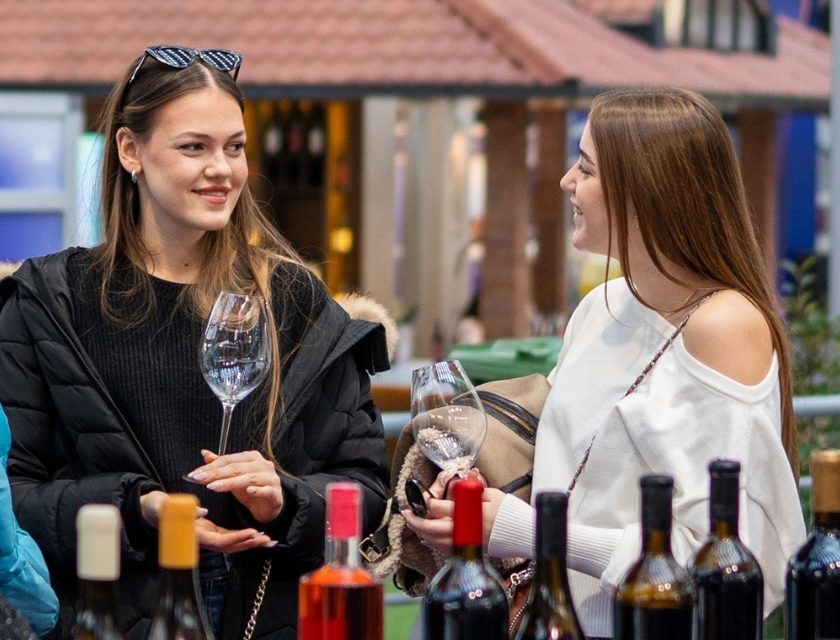
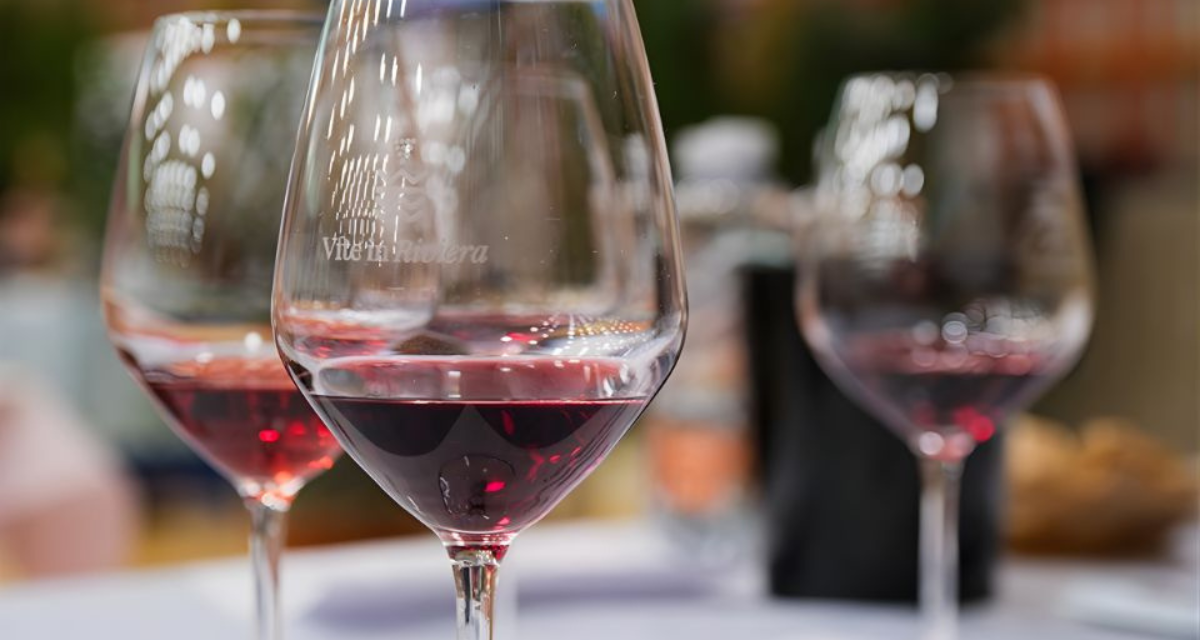
We’re in Quiliano, just outside Savona. Here, from November 21 to 23, 2025, the Vite in Riviera producers’ network opened its doors to experts, journalists, and enthusiasts for two round tables and an afternoon of tasting at the stands of over 60 wineries from all over Liguria, featuring reds and, of course, the local Grenache. The encounter with all shades of red began on the evening of the 21st at the Vescovado restaurant in Noli (one Michelin star). It then continued with the masterclasses on Saturday, November 22 and Sunday, November 23, with service by the sommeliers of the Fisar Imperia delegation.
THE WEIGHT OF TERROIR AND THE CLIMATE ISSUE
The first round table was dedicated to a comparison of Italian Grenaches, a journey that started in Liguria, with Vite in Riviera president Massimo Enrico and local producers. It passed through Tuscany, Veneto, Umbria, and Sardinia. It’s terroir, as always, that makes the difference between one Grenache and another.
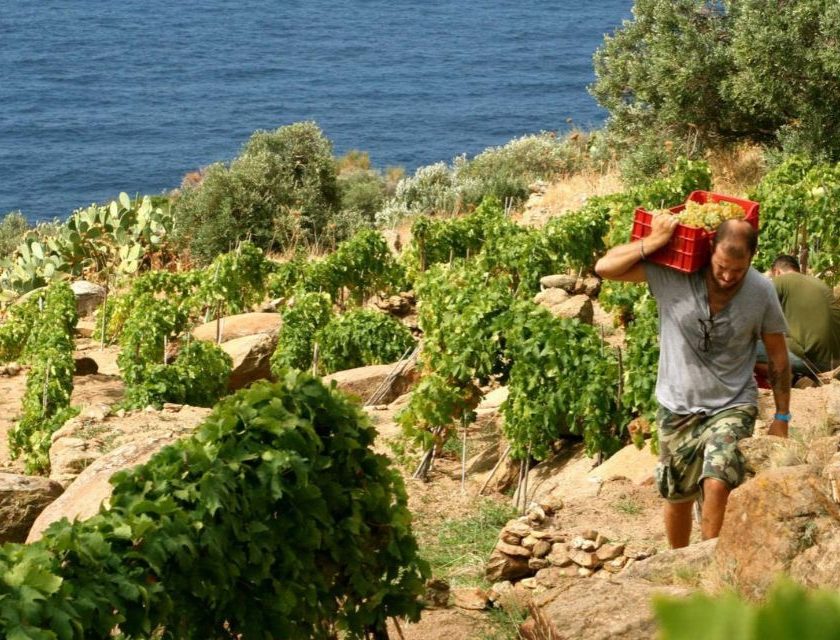
It’s no coincidence that Granaccia has thrived in Liguria since the eighteenth century, when merchants introduced it to the village of Quiliano. The mineral composition and fertility of the soil in this crescent overlooking the sea are precious. They give the grapes a strong aromatic quality that makes them capable of withstanding climate stress very well.
“This is an important issue,” said Professor Vincenzo Gerbi at the opening of the second round table, dedicated to Ligurian expressions of Granaccia, “because climate change is bringing grapes a deeper color and less astringency. But also a reduction in yield. There’s also the risk of excessively high alcohol levels.”
FIVE GRANACCIAS TO TRY
Here are the best tastings, representing the different expressions of Granaccia: sparkling, rosé, traditional, and passito.
- 1 – Granaccia Spumante Metodo Classico Brut RAL 301.5 – Rocca Vinealis
Fresh and savory, the Metodo Classico Brut made with 100% Granaccia grapes is a novelty at Rocca Vinealis, a winery that produces and vinifies in the upper Val Bormida. It’s a sparkling wine with a light pink color (the exact shade is 3015 in the RAL system). It has a lively nose, with raspberries and primroses. Produced for the first time in the 2024 vintage, it’s disgorged after nine months of aging: just in time to pop it for the holidays.
- 2 – Granaccia In Rosa Colline Savonesi IGT 2024 – Innocenzo Turco
A 100% Granaccia rosé produced from grapes grown on half a hectare of land in the ancient village of Quiliano, in the Savona area, and vinified with passion under stone. Between vault and ceiling, the stone bears the date of the winery’s first harvest: 1898. It has an ochre-tending color and the style of Provençal rosés. It’s clean and clear, with an acidity that bodes well even for future drinking, not immediate. The fruit on the nose is jujube and goji berries, over peony and carnation. With a hint of green spice that comes and goes.


- 3 – Granaccia Anna Colline Savonesi IGT 2023 – La Vecchia Cantina Calleri
For those seeking a Granaccia to drink ice-cold by the sea, and that’s meant in an absolutely positive sense. Light and clear color, a lightness that floats on a whiff of nutmeg and purple fruits. La Vecchia Cantina Calleri was founded in 1982 from an idea by Umberto Calleri. It continues today thanks to the work of his daughter Paola, her husband Ennio, and their grandson Filippo. Also worth trying is their Rossese di Albenga (or di Campochiesa) “Scuvea.”
- 4 – Granaccia Gigò Colline Savonesi IGT – BioVio
This honest and clean expression of local Granaccia is vinified with indigenous yeasts. The grape variety here manages to offer both the fruity sensations of sour cherry and the delicate spice of star anise and licorice root on the nose. The winery’s project isn’t limited to wine: Aimone and Chiara Vio have opened an agriturismo and an Orto-osteria. These are managed together with their daughters Caterina, Camilla, and Carolina.
- 5 – Il Pippo vino rosso passito – Cascina Feipu dei Massaretti
This winery’s Rossese is among the most appreciated in the region, but it’s not the only excellent wine produced. Il Pippo, dedicated to founder Agostino Parodi, is a sweet wine made with grapes that dry twice: first on the vine, then in a ventilated room. The wine is bottled one year after pressing. In the glass it strikes with its blood-red color, like blood orange. On the nose, raspberries and licorice emerge; in the mouth, acidity and sapidity balance the sweetness.