IN BREVE
- The “Better Together” Report highlights the Champagne industry’s commitment to sustainable development.
- Four pillars of commitment and twelve strategic challenges guide the industry’s actions, involving over 16,200 growers and 390 Champagne Houses.
- Champagne aims for carbon neutrality by 2050, with a 75% reduction in emissions and a first milestone already reached in 2025.
- The industry manages resources responsibly, with waste recovery rates of 92% and a strong commitment to reducing pesticides.
- Champagne’s collective model, combined with the legal protection of the name and UNESCO recognition, underscores the importance of social responsibility in its strategy.
After two years of collaborative work, the Champagne industry presented “Better Together”, the Social Responsibility Impact Report. The document defines a structured vision for sustainable development, coherently integrating the economic, environmental, and social dimensions of the appellation.
The Report covers an industry involving over 16,200 growers, 390 Champagne Houses, and 125 cooperatives. It identifies four main pillars of commitment and twelve strategic challenges intended to guide the sector’s future actions.
BETTER TOGETHER, NOT JUST FOR CHAMPAGNE
Champagne was the first wine region in the world to draw up a greenhouse gas emissions report, as early as 2003. Monitoring is updated every five years. In 2022, the industry set the goal of carbon neutrality by 2050, in line with the Paris Agreement.
The plan includes a 75% reduction in total emissions and the use of offsetting measures for the remaining portion. In 2025, a first milestone was already reached: a 25% reduction in emissions compared to baseline levels. At the same time, the Comité Champagne promotes awareness initiatives on responsible consumption. It also participates in European education and prevention programs, including through the Wine in Moderation network.
FOR CHAMPAGNE, ENSURING EXCELLENCE OVER TIME
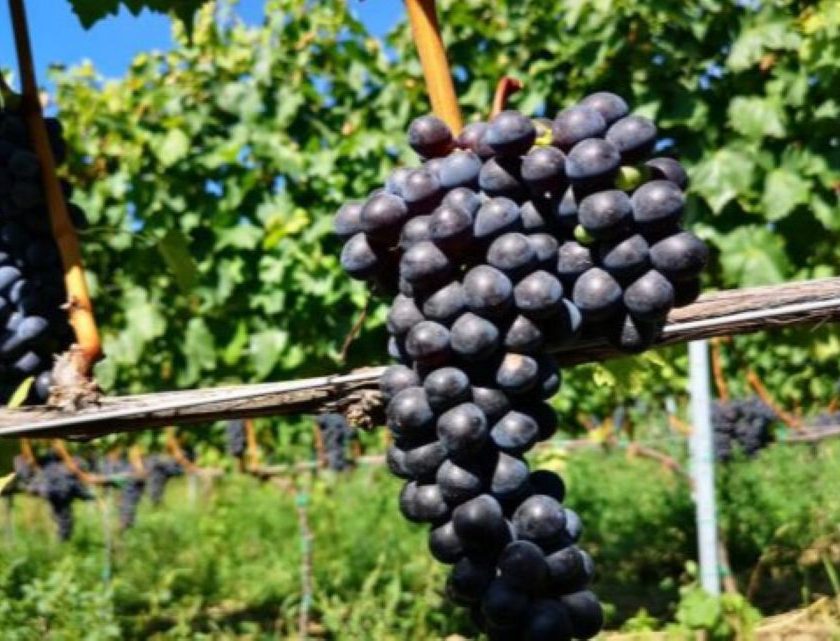
Protecting wine quality involves safeguarding the vineyard and the safety of those who work there. For over thirty years, Champagne has been committed to reducing the use of plant protection products. The results are significant: a 95% reduction in insecticides over fifteen years, a 50% reduction in chemical fertilizers, and a fourfold reduction in herbicide use thanks to mechanical tillage and soil grassing.
Today, 68% of the vineyard area is certified. The stated goal is to reach 100% by 2030. Certifications include Sustainable Viticulture in Champagne (VDC), Organic Farming, and Haute Valeur Environnementale.
Climate change remains a central challenge. Over the last thirty years, the average temperature in Champagne has increased by approximately 1.8°C. The industry is intervening on several fronts, from experimenting with new grape varieties like Voltis to participating in interregional projects like Qanopée, dedicated to the safety of plant material.
ENHANCING THE TERRITORY AND THE CIRCULAR ECONOMY
Responsible resource management is another pillar of the Report. Each year, the industry processes about 10,000 tons of waste, with a recovery rate of 92%. Since 2014, 100% of winery effluents have been fully treated.
Additionally, approximately 110,000 tons of winemaking by-products and 80,000 tons of woody residues from vine pruning are repurposed. Champagne’s role as a territorial engine is also expressed through wine tourism and the coordination of local initiatives, with the aim of preserving the region’s knowledge, crafts, and identity.
ACTING TOGETHER, A UNIQUE GOVERNANCE MODEL
The Report reaffirms the value of Champagne’s collective model, based on equal governance between growers and Houses and fair value sharing. Protecting the appellation remains a strategic pillar. Over 130 countries now recognize the legal protection of the Champagne name. Approximately 500 new legal actions are initiated each year against imitations and misuse.
The UNESCO recognition of the Champagne Hillsides, Houses and Cellars further strengthens the industry’s responsibility in protecting a unique cultural and landscape heritage. “Collective responsibility and excellence are indissoluble bonds that unite the Champenois generation after generation,” stated David Chatillon, president of the Union des Maisons de Champagne and co-president of the Comité Champagne.
A STRATEGIC DOCUMENT FOR THE FUTURE
“The Champenois have always been driven by the same spirit, respectful of tradition and pioneers at the same time. It is natural that social responsibility is at the heart of our collective strategy,” added Maxime Toubart, president of the Syndicat Général des Vignerons and co-president of the Comité Champagne.
“Better Together” serves as an operational and guiding tool, systematizing existing initiatives and new projects. A global approach that aims to ensure the long-term sustainability of the appellation, while keeping the identity, quality, and value of Champagne intact.