IN BREVE
- Terradesa inaugurated its winery in Cassano Magnago today, presenting a preview of wines from Piwi grape varieties resistant to fungal diseases.
- The 2026 harvest is expected to yield around 800 bottles, with a white from Solaris, a sparkling wine from Souvignier Gris, and a red from Kanthus.
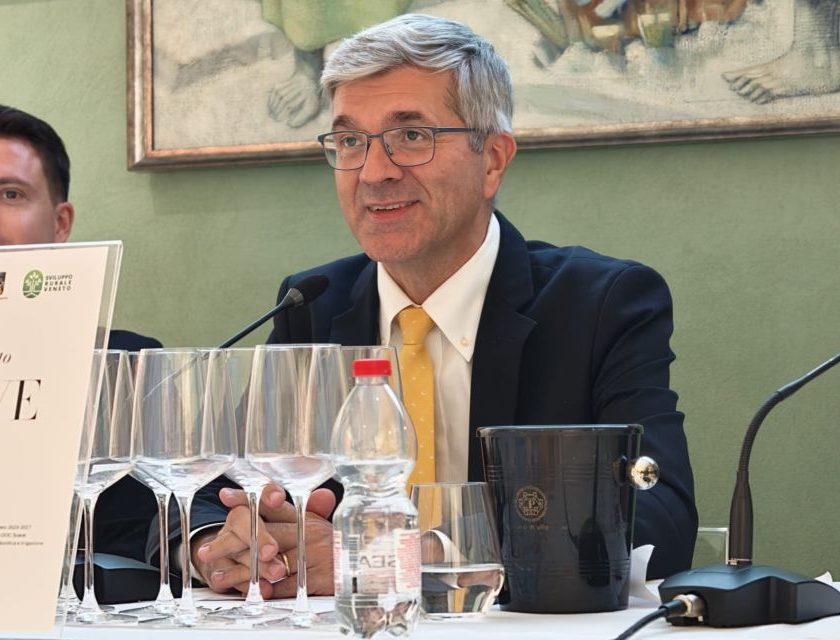
- The project is led by winemaker Mario Falcetti, formerly of Contadi Castaldi and Quadra Franciacorta.
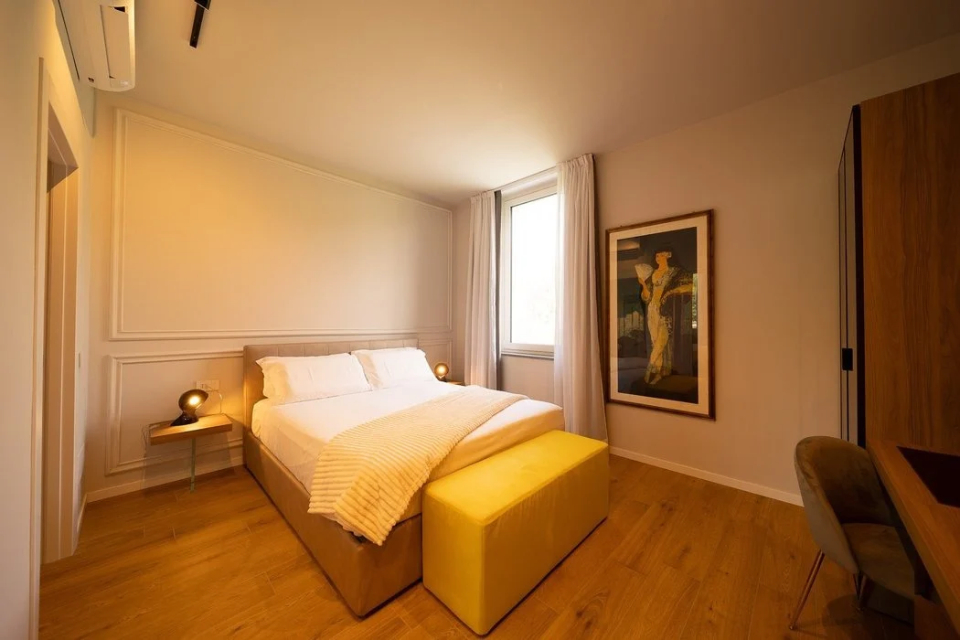
- Terradesa also focuses on hospitality with three guest rooms and themed tastings that complete the wine-tourism offering.
- The hospitality also targets business travelers and tourists who pass through Milan Malpensa airport in large numbers every year.
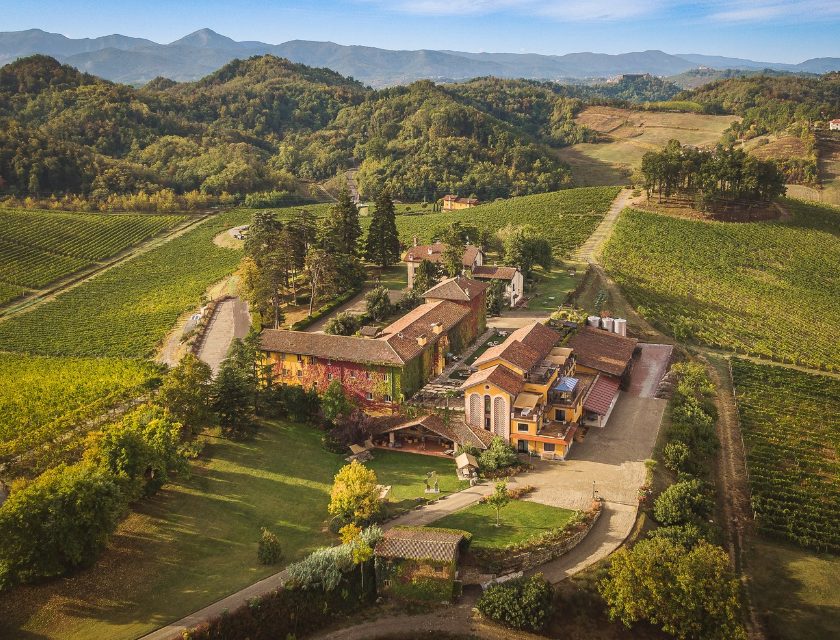
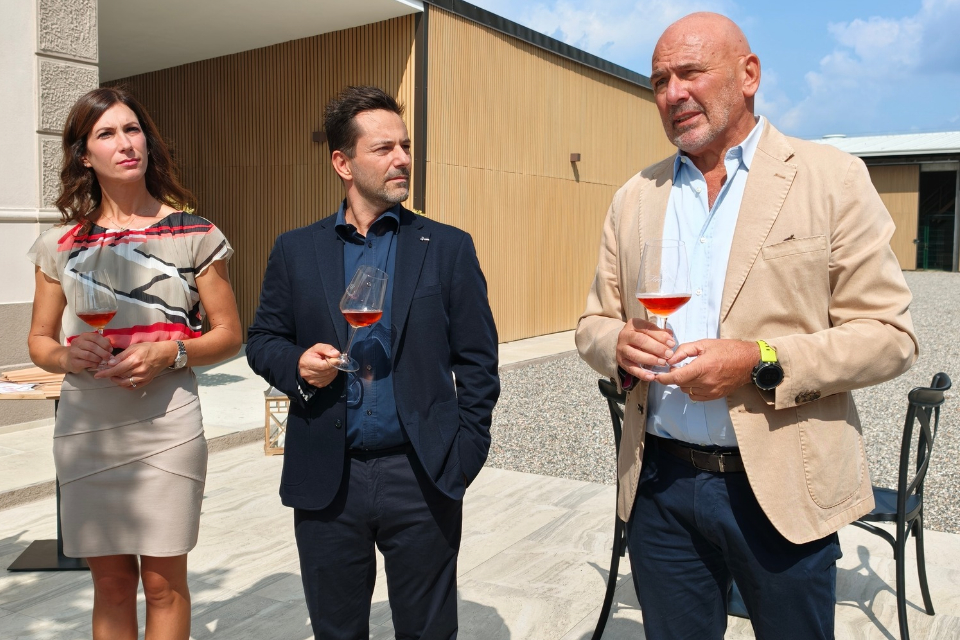
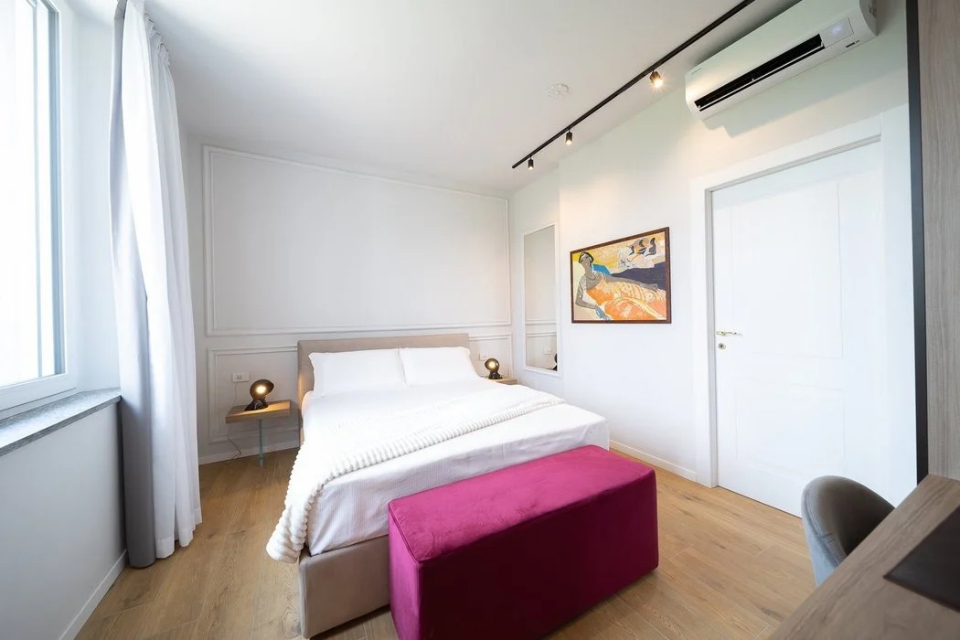
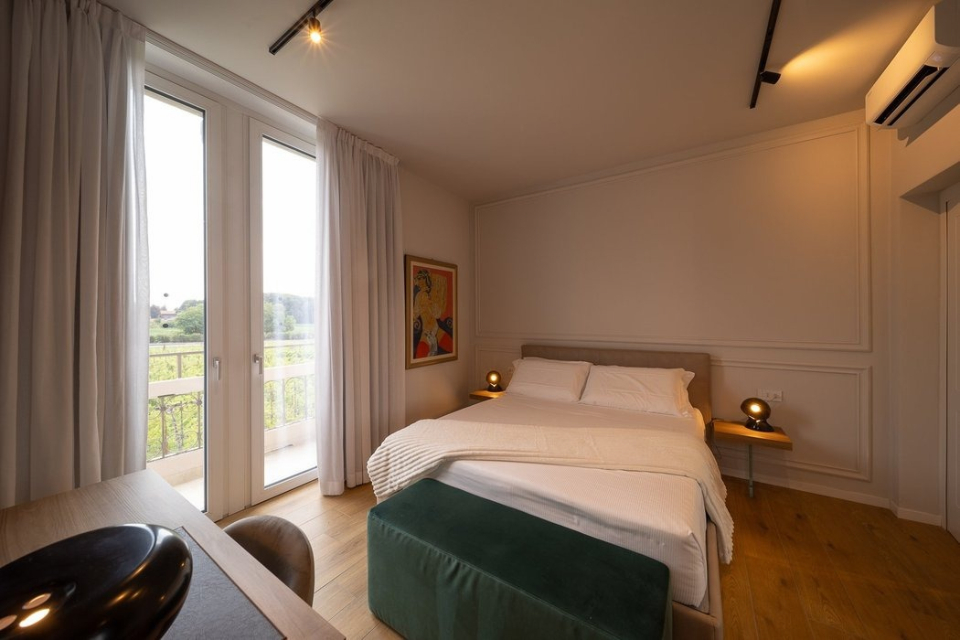
Terradesa inaugurates its winery in Cassano Magnago, near Milan Malpensa airport, and presents a preview of its first wines from Piwi grape varieties, resistant to the main fungal diseases of the vine. The ribbon-cutting took place this morning at via Valdarno 31, in Cassano Magnago (Varese). The project combines wine production with hospitality among the rows: three guest rooms, created in a finely restored building. Leading the winemaking is Mario Falcetti, formerly winemaker at Contadi Castaldi and Quadra Franciacorta.
The debut harvest, 2026, currently amounts to around 800 potential bottles in total. Micro-vinification quantities, which nonetheless allow the first characteristics of the grapes and the project’s directions to be read: a still white from Solaris, a sparkling wine from Souvignier Gris and Prior, and a red from Kanthus.
The other Piwi varieties are Johanniter and Charvir and will come into full production by the next harvest. Grapes obtained from crossing Vitis vinifera varieties with other vine species endowed with resistance to the main fungal diseases. Enough to allow a reduction in vineyard treatments and to produce wines with lower environmental impact.
TERRADESA, THE PIWI OF CASSANO MAGNAGO WITH MARIO FALCETTI
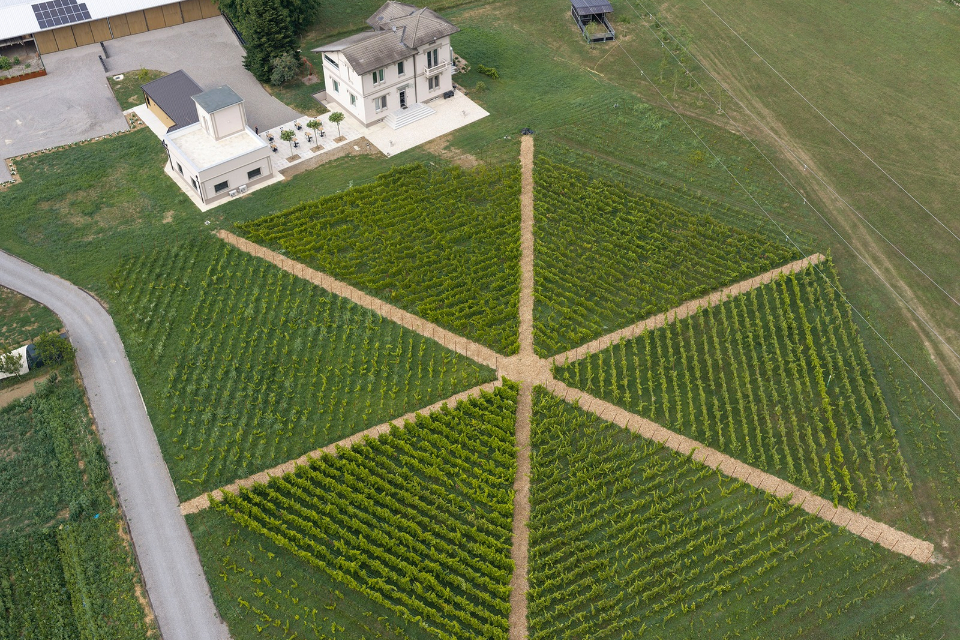
Behind Terradesa are Erica Battaglioli and her husband Carlo Cioci, protagonists of a family project that Winemag had covered at its debut, in June 2025. The heart of the operation is the vineyard in Cassano Magnago, designed in the shape of a hexagon and divided among the 6 resistant varieties. Alongside this are the vineyards of Mezzomerico, in the Colline Novaresi, from which come other wines from traditional grapes such as Erbaluce, Nebbiolo, Barbera, and Vespolina.
In Cassano Magnago, precisely 20 minutes from Milan-Malpensa airport, the work is still in the initial phase of exploring the potential of Piwi varieties. Four varieties have provided sufficient grapes for these first vinifications. The other two have yet to reach adequate quantities. The outlook is for production that remains contained in any case, in the range of 3–5 thousand bottles at full capacity.
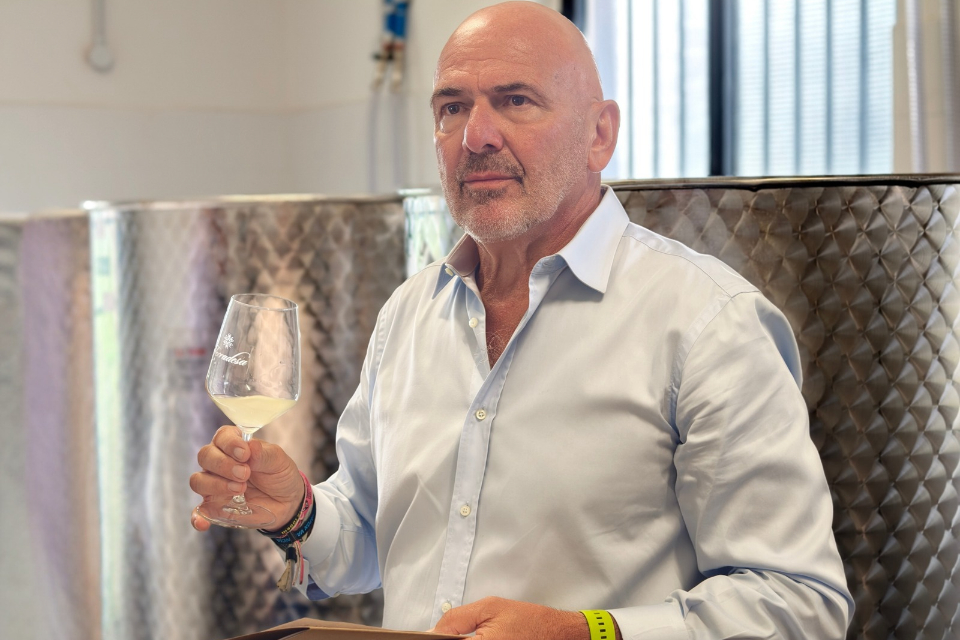
Winemaker Mario Falcetti brings to the Varese area—his native land—also the experience gained with sparkling wines. And it is precisely the base wines destined for sparkling-wine fermentation that offer some of the most interesting cues from the preview. The stated goal of the project is to work primarily on blends as a function of the vintage, letting the characteristics of the grapes suggest the combinations.
- Terradesa: Mario Falcetti’s new adventure between Colline Novaresi and Varesotto
- Terradesa, debut with 4 Colline Novaresi Doc wines. Then 6 Piwis in Cassano Magnago
- Mario Falcetti “l’Eretiq” leaves Quadra Franciacorta: «Ready for new challenges»
- Erbamat, or not Erbamat, that is the question: Franciacorta at a crossroads over the native grape variety
SOLARIS 2026: CITRUS, TROPICAL FRUIT, AND FRESHNESS
The Solaris, harvested on August 4 and still on fine lees at the time of tasting, is destined for bottling as a single-variety wine. The nose is already clean and defined: pineapple, yellow fruit, ripe pear and apple, accompanied by citrus and floral notes. The palate confirms the aromatic profile, with a linear development, driven primarily by citrus and freshness.
«It is the milestone of Piwi resistant varieties – Falcetti observes – on which we can compare ourselves with many territories, as it is already quite widespread». The data shows a wine with 12.9% alcohol, an acidity of 9.3 g/l and a pH below 3. A profile that leads the winemaker to also consider a possible bottling without added sulfites: a working hypothesis, yet to be confirmed.
SOUVIGNIER GRIS AND PRIOR: THE FIRST SPARKLING-WINE BASES
Harvest on August 13 for the Souvignier Gris, which on the nose appears gentler than the Solaris, oriented toward yellow fruit, with an aromatic component of Mediterranean herbs and lavender. The aromatic profile introduces a genuinely promising sparkling-wine base, supported by 11.4% alcohol, 11.8 g/l acidity, and pH 2.87. Fermentation took place from August 15 to 26.
The Prior, harvested on the same day, will contribute to the cuvée. The reference to Pinot Noir, present in its genealogy, introduces a sample marked by plenty of rose, a spicy nuance, and citrus fruits reminiscent of mandarin and pomelo. The alcohol stops at 11.05%, with 9.15 g/l acidity and pH 2.96. The blend with Souvignier Gris is intended for a sparkling wine with a barely pink color. «A demirosé», Falcetti jokes.
KANTHUS 2026: FRUIT, AROMATIC HERBS, AND MATURE TANNIN
The Kanthus, harvested on August 10 and fermented between the 11th and 19th, offers berries, spices, thyme, and sage: abundant balsamic character. The nose opens to unexpected hints of white-fleshed fruit and lychee. On the palate it retains good acidity, which accompanies the fruit component without covering it, while the tannin appears already mature.
The indicated values are 11.4% alcohol, 7 g/l acidity, and pH 3.4. Aging in untoasted wood is planned, with bottling in just over a year. For Solaris and the sparkling-wine bases, the schedule instead indicates spring, respectively for bottling and tirage.
THREE ROOMS AMONG THE ROWS: TERRADESA’S HOSPITALITY
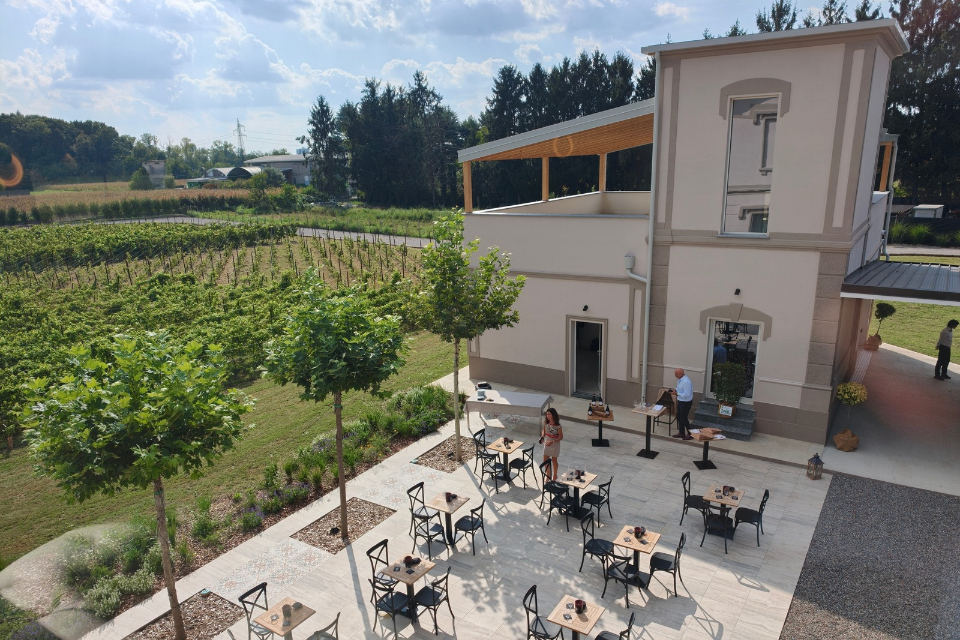
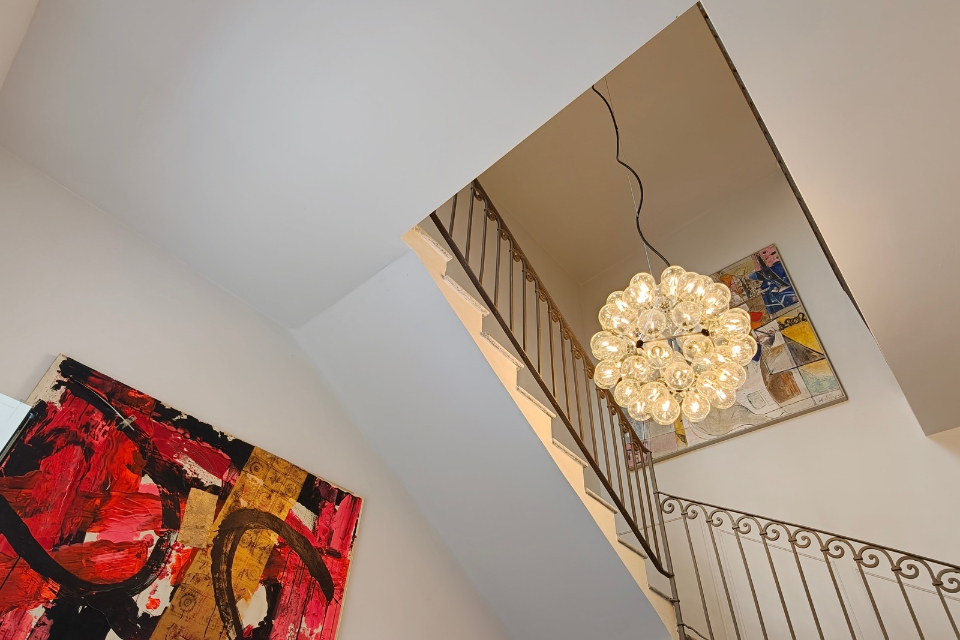
Hospitality is part of Terradesa’s wine-tourism project. The three guest rooms are set in a restored Art Nouveau building, surrounded by greenery and overlooking the estate’s hexagonal vineyard. The welcome is also aimed at business travelers, as well as those seeking a quiet stay.
Alongside the rooms are tastings with local products. An elegant complement to the experience of the new winery in Cassano Magnago, which aims to become increasingly known locally, but also among the 31 million passengers who pass through Milan-Malpensa airport every year.