IN BREVE
- Sparkling wines and low or zero-alcohol wines are redefining the wine market, according to the A2Wine report.
- Crémant sales are growing, with Alsace at the forefront of production, while Champagne is experiencing a decline.
- The NoLo segment is expanding rapidly, with an estimated growth of +10% CAGR between 2025 and 2033 in the USA, Europe, and Asia-Pacific markets.
- NoLo wines must be perceived as lifestyle choices, maintaining high quality and reducing sugar to attract Gen Z.
- Consumption occasions for NoLo wines are increasing, with opportunities in sporting events and daily lunches, expanding the consumer base.
Sparkling wines and low or zero-alcohol wines are the protagonists of a changing international wine market. This is what emerges from the report presented by Alexandra Wrann and Dr. Anja Zimmer of A2Wine during the recent ProWein Preview in Dusseldorf. New trends and a paradigm shift show sparkling wines in continuous growth, with NoLo (No or Low alcohol) wines emerging as the new beverage frontier, destined to redefine consumer habits in the coming years.
CRÉMANT DRIVES GROWTH
According to the report presented by Alexandra Wrann, the sparkling sector is growing strongly despite the slowdown of Champagne. In fact, Crémant is leading the trend.
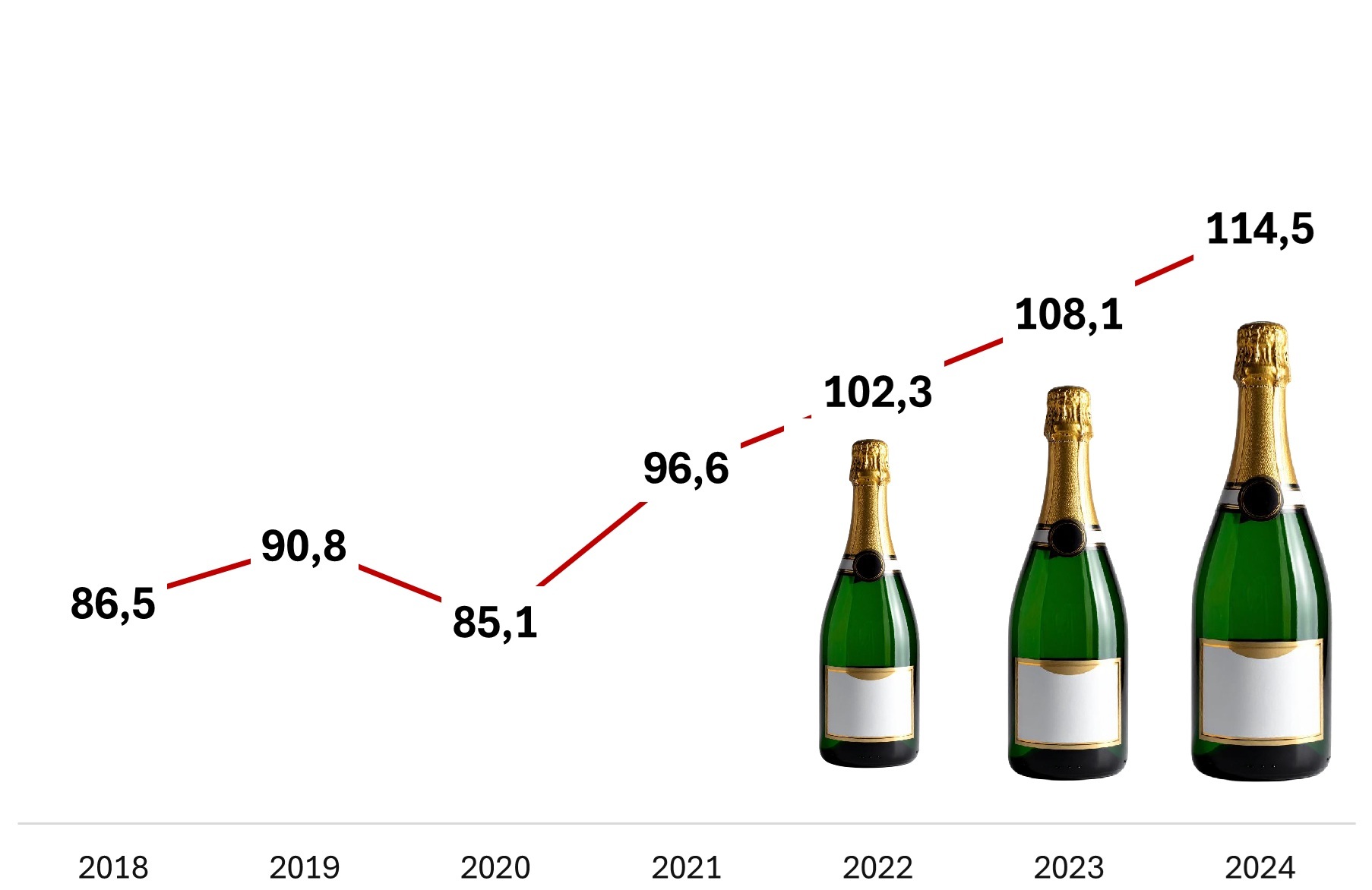
In 2024, Crémant sales reached 114.5 million bottles (+5%), while Champagne marked a -9% with 271 million bottles sold. Alsace leads production and sales, followed by the Loire, which however shows the fastest growth in exports. Bordeaux also shows interesting figures for its Crémants, likely as an alternative to the decline in reds.
The phenomenon is consolidating outside French borders as well. Luxembourg and Germany are gaining ground, driven by consumers looking for quality bubbles at affordable prices. Since 2020, the export share has risen from 32% to 41%, with Germany, the United Kingdom, the United States, Belgium, Scandinavia, and Japan among the most receptive markets.
REASONS FOR CRÉMANT’S SUCCESS
Crémant meets the demand for products suitable for every occasion, not just celebrations. According to the report, the so-called “lipstick effect” explains part of the growth: in difficult times, consumers seek affordable gratifications. Crémant thus positions itself as a small luxury within reach of many. Its appeal is also based on its approachability and ease of consumption. The wines are fresh, light, produced with familiar varieties like Chardonnay, coming from well-known regions with simple pronunciations. These elements favor the entry of new consumers into the world of sparkling wine.
NO ALCOHOL: AN EXPANDING MARKET
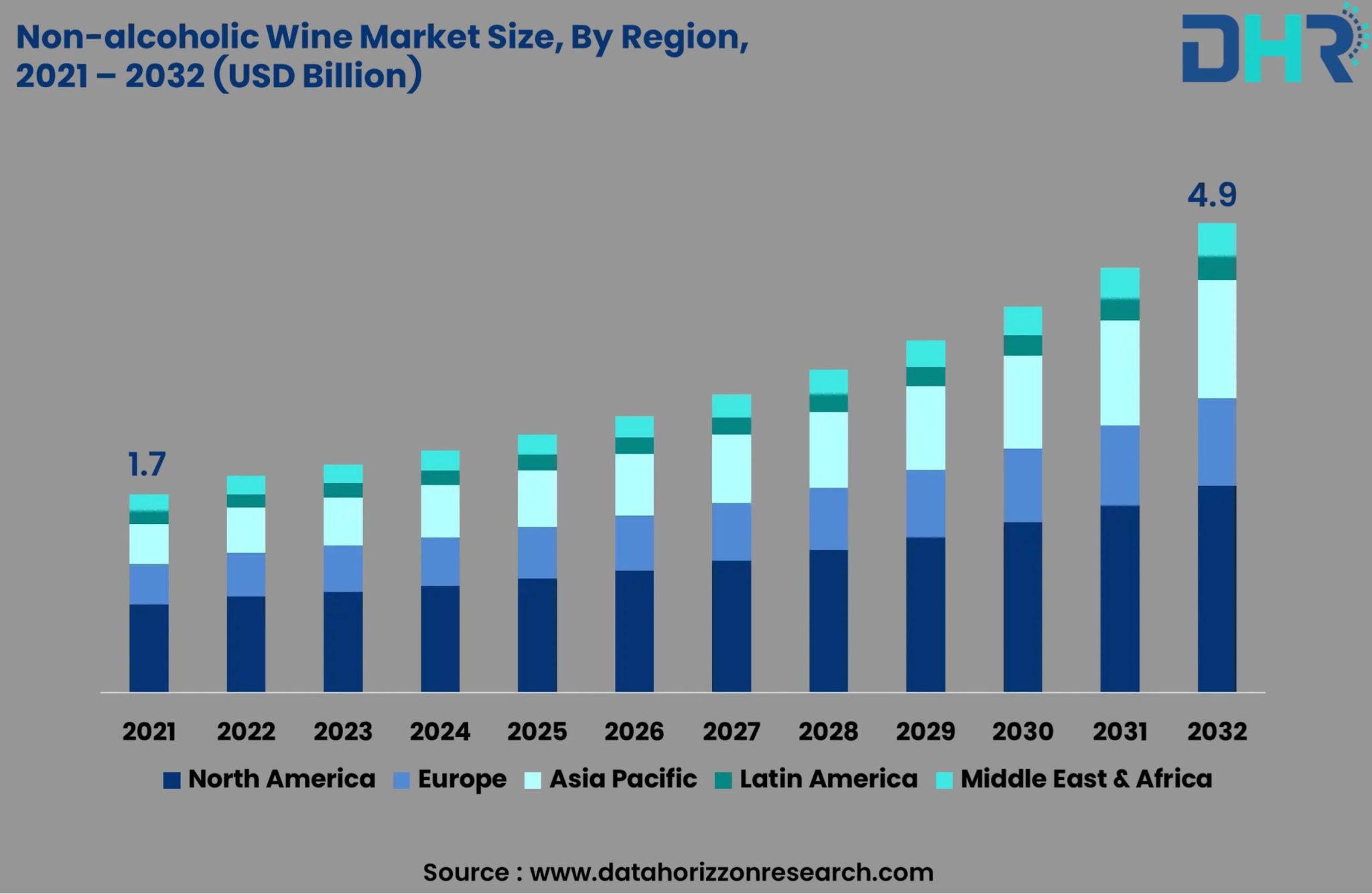
The data proposed by Dr. Anja Zimmer provides an analysis of a market—that of low or zero-alcohol wines—in continuous expansion. The segment, which according to various estimates is already worth several billion dollars, is recording an estimated growth of +10% CAGR (Compound Annual Growth Rate) between 2025 and 2033. This is the fastest growth in the beverage sector.
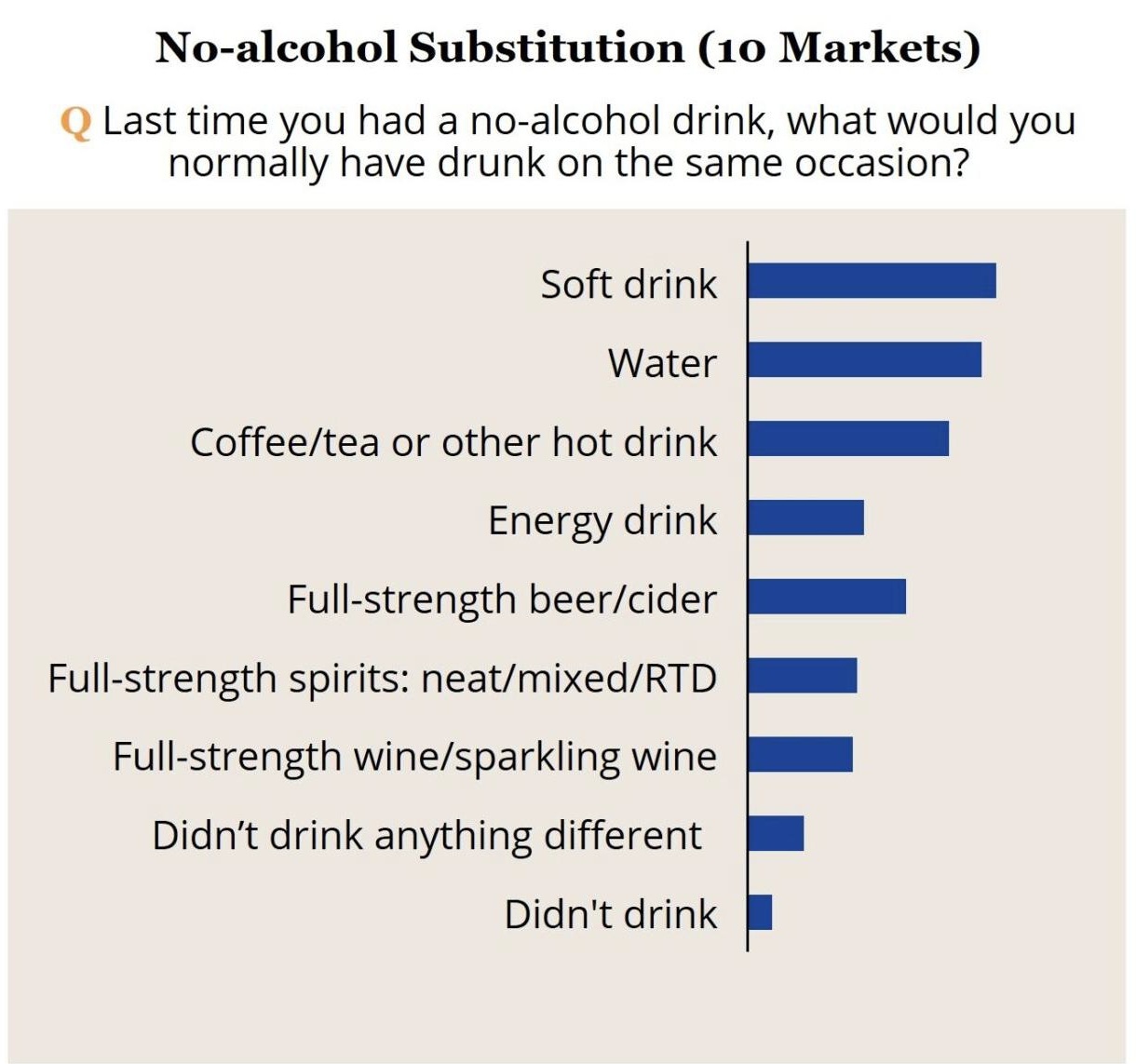
The USA, Europe (especially Germany and the UK), and Asia-Pacific are the most dynamic areas. The substitution dynamic is interesting: those who choose NoLo wines tend to replace soft drinks, tea, coffee, or energy drinks, not traditional wines.
MOTIVATIONS BEHIND THE NOLO TREND
Among the priorities that emerged is sugar reduction. As highlighted in the report, “Getting sugar out is key”: eliminating sugars is crucial to attracting younger generations, particularly Gen Z, who are less inclined toward wine consumption. In terms of communication, NoLo must be perceived as a lifestyle choice, not a substitute. Key messages include: all the benefits of wine, but without alcohol and with fewer calories.
Producers have the task of creating appealing products. These wines must also deal with stringent regulations, which in some cases require operating outside the “wine” category. The success of the segment will depend on quality. “Quality first – no cheap shortcuts” is the guideline indicated by experts: quality first, no shortcuts.
INCREASING CONSUMPTION OCCASIONS
Consumption occasions are multiplying: beyond celebratory moments, demand is growing for business lunches and daily occasions. Sponsorships of sporting events and educational initiatives are considered effective levers for promoting the category. NoLo can indeed represent an entry point for new consumers, expanding the base of those approaching wine.
However, the quote in the report from Matthias Schmitt of Geisenheim University is thought-provoking: “We have to make sure Coca-Cola stays off the table.” Where, in fact, is the line between a soft drink and an alcohol-free wine? And why shouldn’t a multinational, enticed by the trend, invest to “replace” winemakers?