IN BREVE
- The conference “Wine and consumption, the new instructions for use” organized by Assoenologi discusses trends in the wine sector, including falling consumption and new habits.
- Michele Zanardo emphasized the importance of understanding the regulatory framework for low-alcohol and dealcoholized wines.
- Vivai Cooperativi Rauscedo presented promising results for the production of ‘light’ wines through sustainable agronomic techniques.
- The Garda DOC introduces the production of ‘low alcohol’ wine starting from the 2025 harvest, using the Garganega variety.
The wine sector is undergoing a transition phase. Consumption is falling, consumer habits are changing, and new generations are looking for different experiences than in the past. These themes were the focus of the technical conference “Wine and consumption, the new instructions for use – Experiments between Low and No-Alcohol“, organized by Assoenologi as part of RIVE (International Viticulture and Enology Exhibition) at the Pordenone Fair. Speakers at the meeting included enologist Michele Zanardo, president of the National Committee for DOP and IGP Wines and national vice-president of Assoenologi, Lorenzo Tosi of Vivai Cooperativi Rauscedo (VCR), Paolo Fiorini, president of the Garda DOC Consortium, and Stefano Sequino, director of the DOC Delle Venezie Wines Consortium.
REGULATION AND INNOVATION: MICHELE ZANARDO’S PRESENTATION
Michele Zanardo addressed the regulatory issue. “To tackle the subject of low-alcohol wines and dealcoholized products, it is essential not only to talk about consumption and trends, but to start from a knowledge of the legislative framework.” Zanardo illustrated the minimum alcohol levels required by law for different categories of wine, with a focus on the limits and opportunities of regulations regarding dealcoholized products, which are currently at the center of the technical and commercial debate.
RESEARCH AND NURSERIES: VCR’S RESPONSE TO CHANGING CONSUMPTION
Vivai Cooperativi Rauscedo presented a research project coordinated by the DOC Delle Venezie Wines Consortium, with contributions from various Italian research centers. The first experimental micro-vinifications show results confirming the effectiveness of genetics and agronomic techniques in producing “light” wines directly in the vineyard. Through targeted management of grape ripening and the selection of the most suitable clones, it is possible to obtain low-alcohol wines without adding additives or concentrated musts, while preserving scents and aromas. This path is considered more sustainable than dealcoholization because it does not alter the sensory characteristics of the product.
GARDA DOC: THE FIRST ITALIAN DENOMINATION FOR A LOW-ALCOHOL STILL WINE
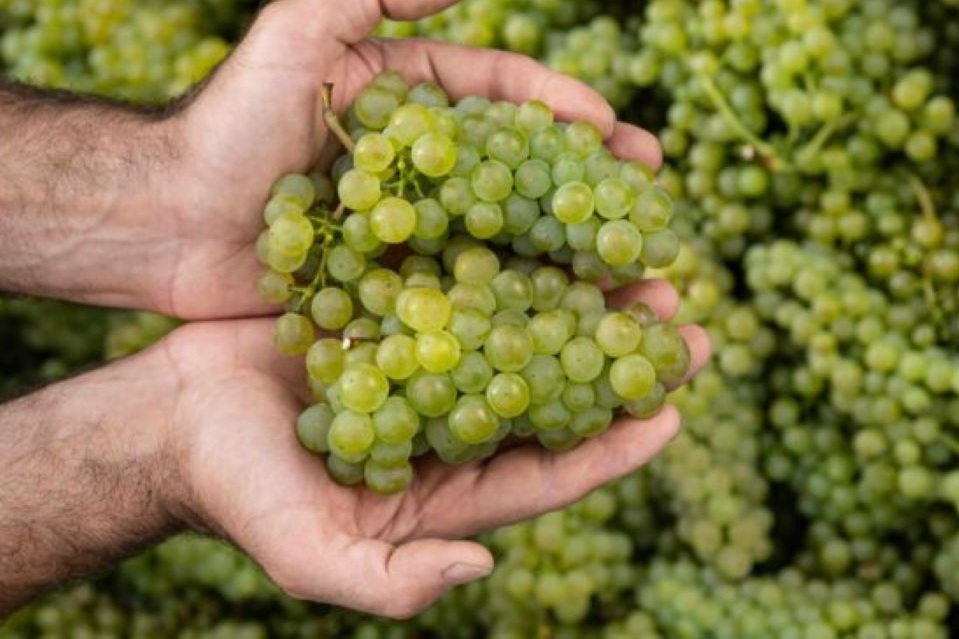
The Garda DOC is introducing the possibility of producing a “low alcohol” still wine (9% vol.) into its production specifications, marking an absolute first in the Italian landscape. Garganega, a native variety already widely used in the denomination, is at the heart of the experimentation that will lead to the marketing of this new type starting from the 2025 harvest. This is a significant step for an interregional denomination that unites Lombardy and Veneto, moving towards a more contemporary production in line with consumer needs.
DOC DELLE VENEZIE WINES: STRATEGY AND SUSTAINABILITY FOR THE FUTURE
The DOC Delle Venezie Wines Consortium is also evaluating the introduction of a low-alcohol Pinot Grigio into its specifications, obtained through specific agronomic and cultivation practices. This is a strategic choice, according to director Stefano Sequino, which aims to combine economic and environmental sustainability with new market demands. Sequino stressed the need to “maintain the right balance between innovation, tradition, and identity” to ensure competitiveness and profitability for the supply chain, as well as clear communication to the consumer.
FINAL TASTING AND COMPARISON OF PRODUCTION MODELS
To close the conference, a blind tasting allowed for a comparison between dealcoholized wines (produced by Lea Winery of San Vito al Tagliamento), low-alcohol experiments, and traditional wines. A useful comparison to understand the technical and sensory differences between the various solutions that are redefining the future of Italian wine.