IN BREVE
- Andreas Kofler has been reconfirmed as president of the Alto Adige Wine Consortium for the next three years.
- The new mandate focuses on the Wine House, wine tourism, SQNPI sustainability certification, and the internationalization of Alto Adige wine.
- Under Kofler’s leadership, the Consortium aims to link labels to the territory through the recognition of Additional Geographical Units (UGAs).
- Kofler emphasizes the potential of wine tourism in Alto Adige and aims to position the region as an international wine tourism destination.
- The next Alto Adige Wine Summit will take place in 2027, with the goal of attracting specialized operators and developing a broader network.
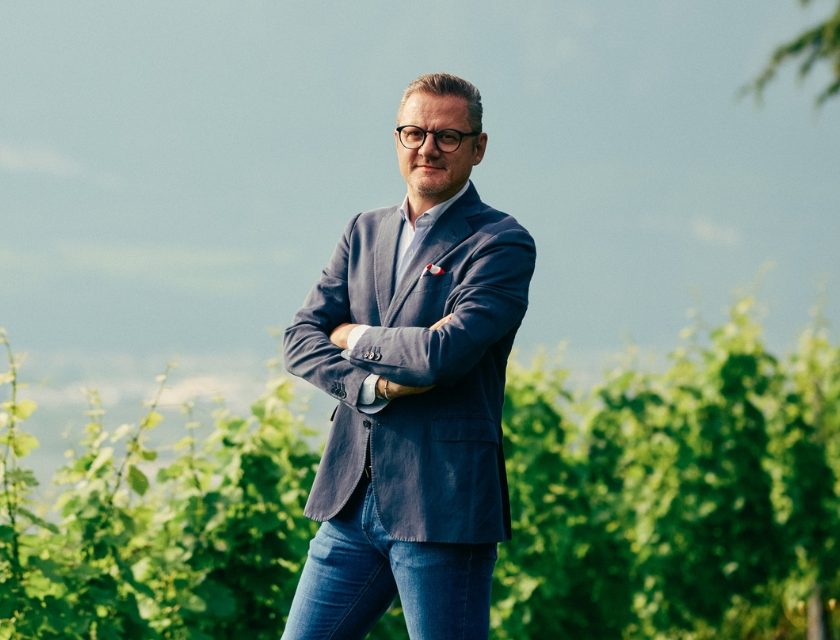
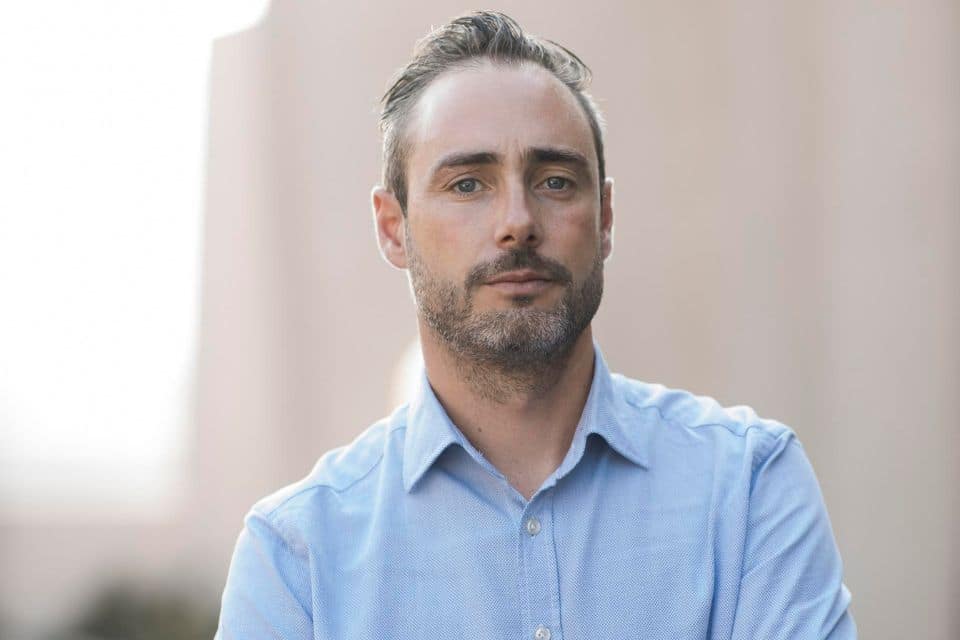
Andreas Kofler will remain president of the Alto Adige Wine Consortium for the next three years. The reconfirmation came from the new Board of Directors, elected by the Consortium’s Ordinary Assembly. For Kofler, president of Cantina Kurtatsch, this is his third term leading the body that protects Alto Adige DOC denominations and manages the Alto Adige Wine brand.
The new mandate opens with several key dossiers for the Alto Adige wine sector. These include the Wine House in Bolzano, the development of wine tourism, SQNPI sustainability certification, internationalization, and preparations for the Alto Adige Wine Summit 2027.
ALTO ADIGE WINE CONSORTIUM, NEW BOARD AND THIRD TERM FOR ANDREAS KOFLER
The Alto Adige Wine Consortium was founded in 2007 as a platform for the main associations and institutions active in the Alto Adige wine sector. Today, it represents the reference body for the protection of the territory’s DOC denominations, the management of the Alto Adige Wine brand, the development of international markets, and services for members.
The Ordinary Assembly, meeting in Bolzano, elected the new Board of Directors. For the Consortium of Alto Adige Producer Cellars, Andreas Kofler, Klaus Pardatscher, Georg Eyrl, Philipp Plattner, and Oscar Lorandi were reconfirmed.
The representatives of the Alto Adige estates have changed, with the entry of Ivan Giovanett, Christof Tiefenbrunner, and Manfred Bernard. For the Independent Winegrowers of Alto Adige (FWS), Magdalena Pratzner and Florian Brigl sit on the Board.
In the constituent session, the Board of Directors reconfirmed Andreas Kofler as president. Ivan Giovanett, of Castelfeder, was appointed vice-president.
ANDREAS KOFLER: QUALITY, UGA, AND LINK TO THE TERRITORY
“Being able to continue representing the Consortium as president is an honor and a responsibility for me, but I also consider my re-election a confirmation of the path we have taken in recent years,” Kofler stated after his reconfirmation.
The president identifies quality and the link between wine and terroir as the cornerstones of the work done and the new mandate. A central step concerns the recognition of Additional Geographical Units in Alto Adige.
“The most tangible expression of this evolution is the recognition of 86 Additional Geographical Units (UGAs) that can be indicated on the label, projecting our commitment to authenticity, connection to the territory, and communicative transparency toward new goals,” says Kofler.
The UGAs thus become one of the main tools for strengthening the identity of Alto Adige wine. The goal is to more clearly link labels to their territories of origin, in a context where the recognizability of denominations remains a decisive issue on the markets.
WINE HOUSE IN BOLZANO: THE PROJECT NEAR MARECCIO CASTLE
The most advanced project remains the Wine House in Bolzano. The new headquarters will be located in a historic structure adjacent to Mareccio Castle. According to Kofler, the administrative process has reached a decisive phase after years of attempts. “After almost 20 years of attempts, we have overcome all bureaucratic obstacles, work is progressing and, if everything goes as planned, we could move into the new headquarters by the end of the year,” the president states.
The Wine House will have an institutional, promotional, and operational role. It must strengthen the image of Alto Adige wine and offer a headquarters suitable for the economic and social weight of the sector. “The Wine House will be able to best enhance Alto Adige wine, strengthen its image and, last but not least, offer our team a modern work environment suited to their needs,” Kofler explains.
WINE TOURISM IN ALTO ADIGE BETWEEN NEW OFFERINGS AND LOW SEASON
The second front indicated by Kofler concerns wine tourism in Alto Adige. For the president, the sector has growth margins that have not yet been fully exploited. “The potential of wine tourism has been underestimated until now,” Kofler adds.
The Consortium’s strategy aims to expand the offering, network it, and make it more professional. The issue also concerns the distribution of tourist flows. Wine tourism can indeed intercept new visitors during low season periods and in areas less affected by traditional tourism.
“The goal is to be able to compete, one day, with big names in the wine tourism sector such as Burgundy, Piedmont, Tuscany, or the Napa Valley,” Kofler states. The reference to international wine territories confirms the desire to position Alto Adige not only as a production area but also as a structured wine tourism destination.
SQNPI SUSTAINABILITY AND NEW MARKETS FOR ALTO ADIGE WINES
The program for the new mandate also includes the development of the SQNPI sustainability certification. This theme is part of a broader strategy concerning the competitiveness of Alto Adige wines and the ability to respond to market demands.
Kofler also cites internationalization as a priority axis of work. The Consortium is looking at new commercial outlets, with attention to South America and Eastern Europe. “We are focusing on new markets such as those in South America, particularly Brazil, and those in Eastern Europe, particularly Poland,” Kofler explains.
Market diversification remains a significant step for a denomination that works on quality, origin, and recognizability. Brazil and Poland are identified as areas of interest to strengthen the international presence of Alto Adige wine.
ALTO ADIGE WINE SUMMIT 2027 AND TERRITORY PROMOTION
The Alto Adige Wine Summit remains the most important marketing event for the Alto Adige Wine Consortium. The next edition is scheduled for 2027. “The summit is a proven tool that we are developing step by step,” says the president.
The last edition introduced a new chapter aimed at specialized operators, restaurateurs, and sommeliers from Alto Adige and the rest of Italy. The format will be further developed. “In light of the positive experiences during the first edition, we will continue to develop this new cornerstone,” Kofler explains.
After the reconfirmation, the president also thanked the Consortium team. “I know I can count at any time on the competence and commitment of our collaborators,” Kofler states, “and for this very reason, I look forward to discovering what the next three years have in store for us.”