IN BREVE
- The 2026 Alto Adige harvest has already begun with an unprecedented lead due to high spring and summer temperatures.
- The first grapes harvested are intended for sparkling wine base wines, with the Consortium reporting good cluster health.
- The vegetative cycle was accelerated, and careful vineyard management protected the grapes from heat stress.
- Weather conditions will influence the harvest of other varieties, expected to start in early September.
- Harvesting remains a manual task, allowing for direct control of the clusters during picking.
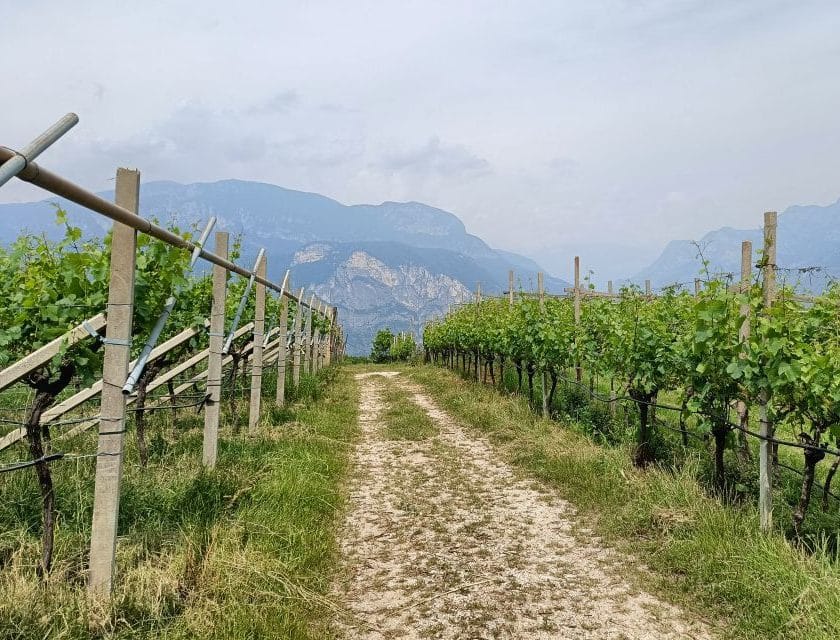
The 2026 harvest has already begun in several areas of Alto Adige. High summer temperatures, combined with an exceptionally warm spring, have accelerated grape ripening. According to the Alto Adige Wine Consortium, this is the earliest start to the harvest ever recorded in the region.
The first grapes harvested are from the earliest-ripening vineyards, intended for the production of Alto Adige sparkling wine base wines made using the traditional method. These grapes are already in the winemaking phase. “This is the earliest start to the harvest in the history of Alto Adige,” says the director of the Alto Adige Wine Consortium, Eduard Bernhart.
WARM SPRING AND EARLY RIPENING
The lead compared to the long-term average is not only linked to June and July temperatures. The vines’ vegetative cycle underwent an acceleration as early as the first months of the year. “Already in March and April, temperatures were above average, enormously accelerating the grapes’ vegetative cycle,” Bernhart continues.
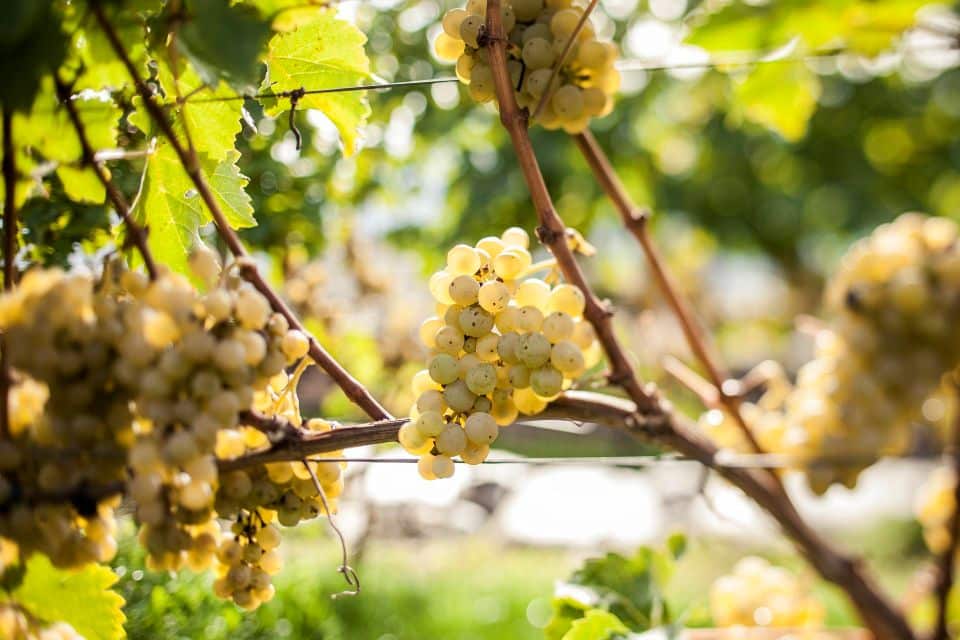
The cold weeks in May were not enough to significantly slow down the process. The harvest has therefore arrived ahead of the usual seasonal schedule. It is still too early to assess the overall quality of the vintage. However, early indications are positive. “The clusters look healthy,” says the Consortium director.
HEAT, SUN, AND ACIDITY
Vineyard management was central in a season characterized by high temperatures. The goal was to protect the grapes from excessive sun exposure and heat stress, while maintaining adequate water availability.
“Ensuring that the grapes do not get too much sun, do not suffer from the heat, and always have sufficient moisture is a matter of know-how and hard work,” Bernhart continues. Among the elements to monitor is grape acidity, a decisive parameter for the profile of Alto Adige wines. “It guarantees that freshness and elegance for which our wines are known.”
FOCUS ON THE COMING WEEKS
The harvest has not yet entered its final phase. After the grapes intended for sparkling wine base wines, the harvest will continue with the different varieties. The schedule will depend on the evolution of weather conditions. Lower temperatures during the night would be favorable for the final ripening stage. The risk of hail events also remains.
“We are hoping for cooler temperatures, especially at night, as these favor the final development of the grapes and, above all, we hope the vineyards are spared from any hail in the coming weeks,” Bernhard explains. The harvest of other varieties is expected progressively, with a possible entry into the most intense phase in early September.
MANUAL HARVEST AND VINEYARD SELECTION
The timing of the harvest will not be the same for all grapes. Variety, exposure, and production area will determine the timing. “The optimal moment varies depending on the variety and the area, making the intuition and experience of winemakers and growers fundamental,” says the Consortium director.
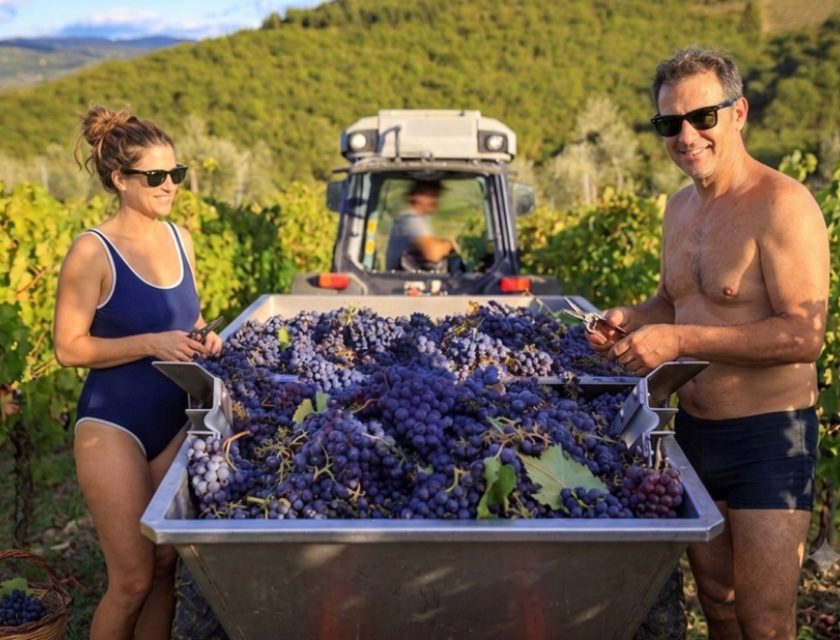
In Alto Adige, the harvest also remains a manual task. Hand-picking allows for direct control of the clusters and the elimination of those that do not meet the required characteristics right in the vineyard. “This offers us an additional advantage, as every cluster is checked directly in the vineyard and, if necessary, discarded at the time of picking.”
To evaluate the 2026 vintage, it will therefore be necessary to await the evolution of the coming weeks and the completion of the harvest. At the moment, the most evident fact is the early start of the harvest, never so marked in the recent history of Alto Adige.