IN BREVE
- Marsala DOC is a great Italian wine, complex and varied, which goes beyond the stereotyped image of a “sweet” or “cooking” wine.
- The different types of Marsala, such as Vergine, Superiore, Semisecco, and Dolce, offer unique tasting experiences.
- The Vergine category represents the most rigorous identity of Marsala, with long aging and a dry, oxidative style.
- Marsala Dolce, when well-balanced, can reach levels of excellence, but it presents high stylistic variability.
- Reflecting on a communicative simplification of the categories can help enhance the best Marsalas and increase their appreciation.
Marsala DOC remains one of the most complex great Italian wines to explain. It is often reduced to a stereotyped image: a sweet, “cooking” wine. Linked to the past rather than the present. In reality, production regulated in the province of Trapani—excluding the municipalities of Alcamo, Favignana, and Pantelleria—creates an intricate universe. Here, style, color, residual sugar, and aging times determine profoundly different results in the glass. Marsala is made from traditional white grapes, with Grillo increasingly dominant today alongside Catarratto, Inzolia (Ansonica) and Damaschino. It is defined as a fortified wine obtained through “concia”: fortification with wine-based alcohol and, depending on the type, the possible use of mistella and cooked must.
THE CLASSIFICATION OF MARSALA
The denomination provides for a classification that operates on several levels. On one hand, the sugar parameter—Secco (Dry) up to 40 g/l, Semisecco (Semi-dry) between 40 and 100 g/l, Dolce (Sweet) over 100 g/l—and on the other, the chromatic distinction between Oro (Gold), without cooked must, and Ambra (Amber), where cooked must is permitted and often decisive in the aromatic profile.
But it is above all the Vergine category that represents the most identity-driven and rigorous version of Marsala: complete fermentation to dryness, fortification limited only to the addition of alcohol, an absolute ban on mistella and cooked must, and long aging starting from a minimum of five years in wood, ten in the case of the Riserva. An approach that accentuates the oxidative soul of the wine and its gastronomic vocation, played more on saline tension and evolutionary depth than on sugary softness.
MARSALA DOC: THE WINEMAG TASTING
The tasting examined a large sample of Marsala DOC, spanning the main production categories: Marsala Vergine (including Soleras and Riserva versions), Superiore Secco, Semisecco, and Dolce, with various Ambra and Oro interpretations. A useful journey to measure in the field how technical choices—particularly the use or non-use of mistella and cooked must, and the duration of aging—impact the final result.
From the drier and more austere profiles of the Vergine, marked by notes of dried fruit, spices, wood, and controlled oxidation, to the rounder and sweeter versions, where the residual sugar shifts the balance toward softness and aromatic breadth, Marsala confirms itself as a wine capable of changing face while remaining recognizable.
Within the selection, the labels in the tasting cover a wide time span and include historic names and producers linked to different styles. A concrete snapshot of the denomination and its potential. Below is the analysis of the individual types, starting with Marsala Vergine, the category that more than any other defines the identity of Marsala as a great dry aging wine.
BEST MARSALA VERGINE ANNATA, SOLERAS, AND RISERVA: THE SCORES
We begin with Marsala Vergine, in its Annata, Soleras, and Riserva versions: the most rigorous category of the DOC, where the fortification involves only the addition of wine-based alcohol, without cooked must or mistella. The minimum aging of five years in wood (ten for the Riserva) defines a dry, oxidative, and structurally tense style. Below are the samples tasted and their respective evaluations.
| wdt_ID | wdt_created_by | wdt_created_at | wdt_last_edited_by | wdt_last_edited_at | CANTINA | VINO | PUNTEGGIO / SCORE |
|---|---|---|---|---|---|---|---|
| 1 | Davide-bortone | 17/02/2026 07:40 PM | Davide-bortone | 17/02/2026 07:40 PM | Intorcia | Marsala 2015 Vergine Secco | 95 |
| 2 | Davide-bortone | 17/02/2026 07:40 PM | Davide-bortone | 17/02/2026 07:40 PM | Ambra luminoso. Abbina note di frutta secca, a guscio, a ricordi di fieno, frutta esotica matura e spezie dolci. Al palato è freschissimo, molto sapido. Allunga sulla nespola e torna, in persistenza, sulla frutta secca. Lunghissima persistenza. | ||
| 3 | Davide-bortone | 17/02/2026 07:40 PM | Davide-bortone | 17/02/2026 07:40 PM | Intorcia | Marsala 2004 Vergine Secco | 96 |
| 4 | Davide-bortone | 17/02/2026 07:40 PM | Davide-bortone | 17/02/2026 07:40 PM | Ambra luminoso. Balsamico sin dal primo naso, con gli attesi ricordi di frutta secca co-protagonisti. Tanta frutta matura, disidratata: fico, dattero, albicocca, cedro. In bocca risulta pieno, profondo, tra frutto e balsamicità. Molto sapido, fresco, ma al contempo morbido, su ricordi di toffee. Lunghissima persistenza. | ||
| 5 | Davide-bortone | 17/02/2026 07:40 PM | Davide-bortone | 17/02/2026 07:40 PM | Frazzitta | Marsala Vergine Soleras Oro Secco | 93 |
| 6 | Davide-bortone | 17/02/2026 07:40 PM | Davide-bortone | 17/02/2026 07:40 PM | Ambra luminoso. Al primo naso un carico inatteso di frutta fresca, dal tropicale alla pesca gialla, senza tralasciare gli agrumi. Più in sottofondo la frutta secca, pur presente in abbondanza. Legno aromatico, altrettanto dolce, sandalo. In bocca una perfetta corrispondenza. Torna la frutta secca, tanto quanto la fresca vena d'agrumi e la frutta a polpa gialla. Il retro olfattivo vira sulle morbidezze del legno, con un netto richiamo toffee, suadente. Buona persistenza. | ||
| 7 | Davide-bortone | 17/02/2026 07:40 PM | Davide-bortone | 17/02/2026 07:40 PM | Alagna | Marsala Vergine 1999 | 94 |
| 8 | Davide-bortone | 17/02/2026 07:40 PM | Davide-bortone | 17/02/2026 07:40 PM | Ambra luminoso, sfumature di zucchero caramellato. Nettare estremamente denso, sin dal naso. La frutta è stramatura, ricorda quasi un passito. Uvetta, fico, dattero, con la frutta secca presente, ma più in sottofondo. Bella balsamicità e speziatura fresca a rendere ancora più stratificato il quadro. In bocca un'esplosione di frutto, freschezza, sapidità. Note molto ben bilanciate tra loro. Finale che si conferma denso, anche nella lunghissima persistenza. | ||
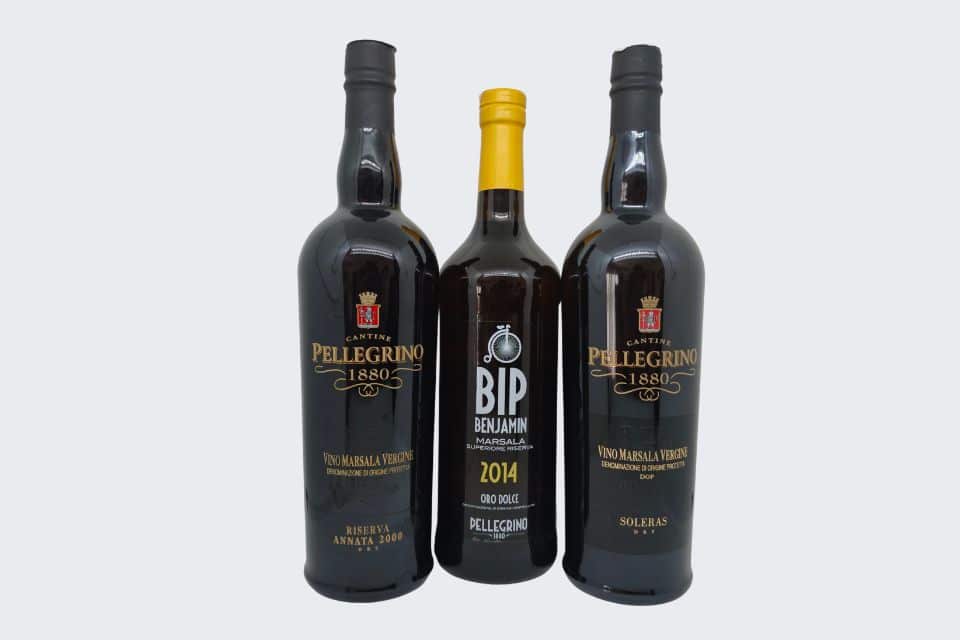
| 9 | Davide-bortone | 17/02/2026 07:40 PM | Davide-bortone | 17/02/2026 07:40 PM | Pellegrino | Marsala Vergine Soleras Dry | 92 |
| 10 | Davide-bortone | 17/02/2026 07:40 PM | Davide-bortone | 17/02/2026 07:40 PM | Ambra luminoso, sfumature rame. Dopo una leggera riduzione, tanta frutta matura al primo naso: dall'attesa frutta gialla (pesca, albicocca, prugna) alla pera Williams. Miele, mandorla da confetto, leggero idrocarburo. Gran beva, tutt'altro che complicata. Buona persistenza. | ||
| 11 | Davide-bortone | 17/02/2026 07:40 PM | Davide-bortone | 17/02/2026 07:40 PM | Florio | Marsala Vergine Riserva 2006 | 97 |
| 12 | Davide-bortone | 17/02/2026 07:40 PM | Davide-bortone | 17/02/2026 07:40 PM | Ambra luminoso. Primo naso sulle classiche note di frutta secca, abbinate a una sorprendente vena di crema pasticcera, mascarpone, polvere di cioccolato amaro. Pasta di mandorle, granita al caffè. In bocca è tanto goloso da rendere la beva inarrestabile. Si ripresentano le note già avvertite al naso, con un carico glicerico non trascurabile. Lunghissimo, su ritorni cremosi e un perfetto bilanciamento tra freschezza e sapidità. | ||
| 13 | Davide-bortone | 17/02/2026 07:40 PM | Davide-bortone | 17/02/2026 07:40 PM | Pellegrino | Marsala Vergine Riserva Annata 2000 | 92 |
| 14 | Davide-bortone | 17/02/2026 07:40 PM | Davide-bortone | 17/02/2026 07:40 PM | Leggera riduzione al primo naso. Svanisce e lascia spazio a note fruttate dolci. In bocca una componente fenolico-tannica tipica del Grillo. Allungo sulla frutta secca. Buona persistenza. |
Overall, this first flight highlights a key point: when Marsala eliminates cooked must and mistella and works only on a dry base wine, alcohol, and long aging, the denomination expresses its clearest, most authentic, and “contemporary” identity. The average quality is superior, with wines that manage to be austere but not rigid. Deep but not heavy.
From a sensory point of view, very clear common traits emerge: a controlled oxidative profile, a great presence of dried fruit (hazelnut, almond), balsamic and spicy hints. A constant saline texture. And a balance often played more on tension than on softness.
BEST MARSALA SUPERIORE SECCO AMBRA AND ORO: THE SCORES
Compared to the Vergine, the Superiore Secco highlights a style that is on average “warmer” and softer, often more immediate on an aromatic level. The technical difference matters. Here, the fortification can also include mistella and, in the Ambra versions, cooked must. Elements that tend to give greater roundness and a sweeter perception, while remaining within the limits of “dry” (≤ 40 g/l).
| wdt_ID | wdt_created_by | wdt_created_at | wdt_last_edited_by | wdt_last_edited_at | CANTINA | VINO | PUNTEGGIO / SCORE |
|---|---|---|---|---|---|---|---|
| 1 | Davide-bortone | 17/02/2026 03:52 PM | Davide-bortone | 17/02/2026 03:52 PM | Martinez | Marsala Superiore S.O.M. Secco | 95 |
| 2 | Davide-bortone | 17/02/2026 03:52 PM | Davide-bortone | 17/02/2026 03:52 PM | Ambra piena, alla vista. Primo naso sulla frutta secca. Ricordi di nocciola, mandorle, arachidi, crema Saint Honorè. Bella componente di erbe aromatiche: netto l'origano e il rosmarino. Al palato è un signore, in cravatta. Una signora in abito da sera. Un Marsala maturo, che non grida freschezza, sapidità e frutto, ma li presenta nell'insieme, in perfetto equilibrio. Chiude morbido, pieno, ricco, senza alcuno spigolo. Garbato e di prospettiva. | ||
| 3 | Davide-bortone | 17/02/2026 03:52 PM | Davide-bortone | 17/02/2026 03:52 PM | Lombardo | Marsala Superiore Ambra Old Marsala Secco | 94 |
| 4 | Davide-bortone | 17/02/2026 03:52 PM | Davide-bortone | 17/02/2026 03:52 PM | Ambra piena, alla vista. Primo naso sulla fava di cacao, ad arricchire il quadro della classica frutta secca. Eleganti tratti erbacei, balsamici: curiosi richiami alla salvia in pastella e una sapidità che richiama l'oliva nera. Al palato si conferma sulle note avvertite al naso, con una dolcezza di frutto e di spezia che prende il sopravvento, dal centro bocca sino al lungo finale. Piacevolissima la chiusura, glicerica, sapida e dal leggero tratto tannico, capace di rendere la beva ancora più irrestistibile. | ||
| 5 | Davide-bortone | 17/02/2026 03:52 PM | Davide-bortone | 17/02/2026 03:52 PM | Fici | Marsala Superiore Riserva Secco | 93 |
| 6 | Davide-bortone | 17/02/2026 03:52 PM | Davide-bortone | 17/02/2026 03:52 PM | Ambra pieno. Al primo naso frutta secca ed erbe aromatiche della macchia mediterranea. Si evolve, con l'ossigenazione, aprendosi a frutta disidratata e frutta come datteri, fico, ma anche pesca, albicocca e agrumi canditi. Una speziatura di cannella e vaniglia bourbon per la componente terziaria. In bocca risulta fresco e slanciato, molto sapido: bilanciata così la parte glicerica e la ricchezza del frutto che si conferma, dopo i presagi del naso. Finale con accenni di polvere di caffè e note mielate, su una buona persistenza. | ||
| 7 | Davide-bortone | 17/02/2026 03:52 PM | Davide-bortone | 17/02/2026 03:52 PM | Curatolo Arini | Marsala Superiore Secco 5 anni | 92 |
| 8 | Davide-bortone | 17/02/2026 03:52 PM | Davide-bortone | 17/02/2026 03:52 PM | Color ambra pieno. Al naso molta spezia ed erbe aromatiche. Tanto agrume, tanta frutta gialla, tanto da ricordare le note del passito. Una "fortificazione" garbata, per un profilo di Marsala incentrato sull'immediatezza della beva. | ||
| 9 | Davide-bortone | 17/02/2026 03:52 PM | Davide-bortone | 17/02/2026 03:52 PM | Alagna | Marsala Superiore S.O.M. Secco | 90 |
| 10 | Davide-bortone | 17/02/2026 03:52 PM | Davide-bortone | 17/02/2026 03:52 PM | Tappo a vite. Alla vista, color cola. Primo naso su frutta secca, nocciola più che mandorla, e un curioso ma netto richiamo allo zafferano. Poi fichi, datteri, gelato gusto "malaga". In bocca acidità e alcolicità "piccanti". Chiude su ritorni di frutta secca, con ricordi di mallo di noce e castagna. |
The result is a category that maintains oxidative structure and evolutionary complexity, but with profiles that are often more “gastronomic” and less austere than the Vergine. Marsala Superiore Secco is a category capable of expressing significant quality, yet it is more exposed to stylistic variability compared to the Vergine.
The possible presence of cooked must and mistella, even within the regulatory framework, makes the profiles less “sharp” and more oriented toward caramelized notes and sweet dried fruit. Overall, however, the series remains convincing. The scores are high, and the category proves it can offer evolved dry Marsalas of great balance, often more accessible and immediate than the Vergine.




BEST MARSALA SUPERIORE AND RISERVA SEMISECCO: THE SCORES
Marsala Semisecco is the category that lives in an unstable balance between two poles. On one hand, the oxidative and alcoholic matrix typical of the denomination. On the other, the more evident presence of residual sugar (between 40 and 100 g/l), which changes the taste perception and shifts the axis toward roundness and softness. In this mini-selection, the most evident fact is that the category can work very well when it manages to maintain tension and cleanliness, preventing the sweetness from taking over.
| wdt_ID | wdt_created_by | wdt_created_at | wdt_last_edited_by | wdt_last_edited_at | CANTINA | VINO | PUNTEGGIO / SCORE |
|---|---|---|---|---|---|---|---|
| 1 | Davide-bortone | 17/02/2026 03:55 PM | Davide-bortone | 17/02/2026 03:55 PM | Florio | 2009 Semisecco | 95 |
| 2 | Davide-bortone | 17/02/2026 03:55 PM | Davide-bortone | 17/02/2026 03:55 PM | Ambra luminoso. Sin dal primo naso, un quadro di gran pulizia e definizione degli aromi. Aprono il sipario la caramella toffee e i terziari di legno dolce, sulla frutta secca. Si evolve su una componente floreale di lavanda e fiori secchi, per poi mostrare agrumi canditi (cedro, bergamotto, chinotto), e frutti gialli, esotici. In bocca è caldo, pieno, leggermente condizionato da un alcol esuberante, che andrà a bilanciarsi nel tempo col profilo ben ricco del nettare. Chiude pieno, sapido, lunghissimo. | ||
| 3 | Davide-bortone | 17/02/2026 03:55 PM | Davide-bortone | 17/02/2026 03:55 PM | Intorcia | 1994 Semisecco | 94 |
| 4 | Davide-bortone | 17/02/2026 03:55 PM | Davide-bortone | 17/02/2026 03:55 PM | Color ambra bruno. Naso ricco di spezie ed erbe della macchia mediterranea, resina di pino d'aleppo. Frutta matura, dalla pesca gialla, al caco, sino alla polpa bianca della pera. Un naso arricchito da una componente iodica importante. In bocca risulta denso ma slanciato, su freschezza e sapidità, con ritorni delle componenti già avvertite al naso. Convince anche l'ottima integrazione dell'alcol. Ennesima conferma dello stile di una cantina che punta alla bevibilità dei propri Marsala. |
Although represented by only two wines, the category shows a clear difference in interpretation. On one hand, a Semisecco capable of reaching very high levels when the balance between sugar, alcohol, and oxidation is perfectly managed. On the other, a more linear and less layered version. Overall, Marsala Semisecco emerges as a potentially fascinating category, but harder to get right than the Secco, because it requires absolute precision in the balance between perceived sweetness and structure.
BEST MARSALA DOLCE Superiore / Garibaldi Dolce / Oro Dolce / Ambra Dolce
Here the sugar range is the widest and the style changes radically. The residue exceeds 100 g/l, so sweetness is no longer an element of balance but becomes the backbone of the wine. The Dolce category is the one that shows the greatest stylistic variability. Not so much on a technical level (all fall within a decidedly sweet profile), but in the way the sweetness is supported by the oxidative structure, the alcohol, and the imprint of the wood.
In general, the difference is made by the ability to maintain momentum and gustatory persistence, preventing the sip from becoming heavy or one-dimensional. Here, the presence of cooked must in the Ambra versions is often decisive, as it accentuates caramelized, dark, more “pastry-like” tones, with an immediately recognizable aromatic imprint.
| wdt_ID | wdt_created_by | wdt_created_at | wdt_last_edited_by | wdt_last_edited_at | CANTINA | VINO | PUNTEGGIO / SCORE |
|---|---|---|---|---|---|---|---|
| 1 | Davide-bortone | 17/02/2026 03:53 PM | Davide-bortone | 17/02/2026 03:53 PM | Curatolo Arini | Marsala Superiore Riserva 10 years | 90 |
| 2 | Davide-bortone | 17/02/2026 03:53 PM | Davide-bortone | 17/02/2026 03:53 PM | Color ambra, luminoso. Primo naso su ricordi di incenso. Frutta secca, come nocciola, noci, arachidi, mandorle e lievito di birra. Non mancano le erbe della macchia mediterranea, dalla salvia al rosmarino. Un tocco di frutta a polpa gialla, come pesca e albicocca. Più marcata vaniglia e cannella. In bocca risulta più esuberante la componente di frutta fresca, gialla, che sovrasta la frutta secca: i ricordi virano addirittura sul tropicale, sino ad ananas e papaia. Chiude su una leggera predominanza dell'alcol, asciutto e beverino. | ||
| 3 | Davide-bortone | 17/02/2026 03:53 PM | Davide-bortone | 17/02/2026 03:53 PM | Pellegrino | BIP Benjamin Oro Dolce 2014 | 91 |
| 4 | Davide-bortone | 17/02/2026 03:53 PM | Davide-bortone | 17/02/2026 03:53 PM | Oro luminoso, alla vista. Al naso una netta predominanza di frutta esotica stramatura, dalla banana alla papaia, passando per il melone. Subalterne le note ossidative e di frutta secca, in un quadro che prilegia l'aromaticità e, in un certo senso, piacevolezza e morbidezza. Il tutto si conferma al palato, in un quadro molto vicino a quello dei passiti siciliani. Un vino aderente alla tipologia di appartenenza. | ||
| 5 | Davide-bortone | 17/02/2026 03:53 PM | Davide-bortone | 17/02/2026 03:53 PM | Lombardo | Ambra Garibaldi Dolce 2016 | 91 |
| 6 | Davide-bortone | 17/02/2026 03:53 PM | Davide-bortone | 17/02/2026 03:53 PM | Ambra intenso, luminoso. Primo naso su balsamicità, ricordi di fondo di caffè, mela gialla e pera cotta. Frutta matura glassata. In bocca risulta equilibrato e fresco: l'opulenza del frutto è ben bilanciata da acidità e sapidità, persino nel finale di buona persistenza, in cui fanno capolino ricordi di frutta secca (nocciola, mandorla amara). | ||
| 7 | Davide-bortone | 17/02/2026 03:53 PM | Davide-bortone | 17/02/2026 03:53 PM | Vinci Vini | Garibaldi Dolce | 88 |
| 8 | Davide-bortone | 17/02/2026 03:53 PM | Davide-bortone | 17/02/2026 03:53 PM | Color cola. Primo naso su ricordi di rabarbaro, mallo di noce, erbe macerate, china. In bocca una dolcezza che acidità, speziatura e balsamicità provano a bilanciare. Alcol piuttosto respirabile. | ||
| 9 | Davide-bortone | 17/02/2026 03:53 PM | Davide-bortone | 17/02/2026 03:53 PM | Alagna | Garibaldi Dolce Sweet | 89 |
| 10 | Davide-bortone | 17/02/2026 03:53 PM | Davide-bortone | 17/02/2026 03:53 PM | Tappo a vite. Color cola. Al naso si conferma scuro, con una componente importante di radice, che ricorda la liquirizia e il rabarbaro, su cui giocano ricordi pepati. Da cornice, un sottobosco di fungo, che sposta il quadro verso l'umami. In bocca denso, mieloso, "melassoso", con freschezza e sapidità a bilanciare. Alcol leggermente respirabile in retro olfattivo. | ||
| 11 | Davide-bortone | 17/02/2026 03:53 PM | Davide-bortone | 17/02/2026 03:53 PM | Intorcia | Marsala 1980 Riserva Superiore Ambra Dolce | 92 |
| 12 | Davide-bortone | 17/02/2026 03:53 PM | Davide-bortone | 17/02/2026 03:53 PM | Ambra dagli intensi riflessi vicini al rosso rubino. Al naso corteccia bagnata, muschio, sottobosco, resina, note vagamente tese ed "amare", che riportano al rabarbaro e alla china. Non mancano ricordi di torrefazione e zucchero caramellato. Corrispindenza gusto-olfattiva perfetta. Finale di buona persistenza, sulla componente dolce, ben bilanciata da sapidità e freschezza. |
This flight demonstrates that Marsala Dolce can reach very high levels when the sweetness is supported by evolutionary complexity, body, and oxidative tension. The Intorcia 1980, in particular, represents the clearest example of how the category can express greatness and depth without being tiring. At the same time, the Garibaldi Dolce type confirms a more immediate character oriented toward softness.
With valid results but more dependent on the management of the balance between sugar, alcohol, and aromatic intensity. Overall, Marsala Dolce emerges as a broad and less homogeneous category, where the quality difference is played out above all on the ability to avoid heaviness and build a long, dynamic, and layered sip in its pleasantness.
MARSALA, YES. BUT WHICH ONE?
Overall, the tasting provides a clear image: Marsala is a denomination capable of expressing peaks of absolute excellence, especially in the Vergine versions and in some evolved interpretations of the Dolce, where technique, time, and raw material find a convincing balance. At the same time, the strong internal articulation of the DOC—between Vergine, Superiore, Riserva, Semisecco, Dolce, Oro, Ambra, Garibaldi—makes the picture complex even for an advanced audience, let alone for the average consumer.
The regulatory stratification stems from a long and complex production history. But today it risks becoming a communicative limit. In the tasting, it clearly emerges how some types, particularly the Vergine, represent the clearest and highest quality identity of Marsala. Other categories, while valid, appear more variable and less immediately readable. Perhaps a reflection on streamlining the categories, or at least on their communicative simplification, could be one of the paths to follow to make the best Marsalas more understandable and, consequently, more appreciated by the general public.
Quality, as demonstrated by several samples in this selection, is not in question. The challenge seems rather to be making it recognizable and distinguishable in a more direct way. In a market that rewards clarity and strong identities, Marsala could find new centrality precisely by enhancing its most authentic expressions.