IN BREVE
- The ‘Wine Trails’ meeting will take place on March 13 in Milan, promoting wine tourism on foot.
- Wine Trails promote food and wine tourism, with a significant economic impact on the territory.
- The event will present the Carignano Trails project and discuss walking among vineyards as a tool for local development.
- Speakers include industry experts and representatives of organizations related to slow tourism and wine culture.
Wine as a territorial experience and walking as a tool for discovering local communities. This vision gives rise to the meeting “Wine Trails: Sustainable Experiences That Create Development”, scheduled for Friday, March 13 at 6 PM at the Fa’ la cosa giusta! fair in Milan (Rho Fiera, Piazza Grandi Cammini, Pavilion 16).
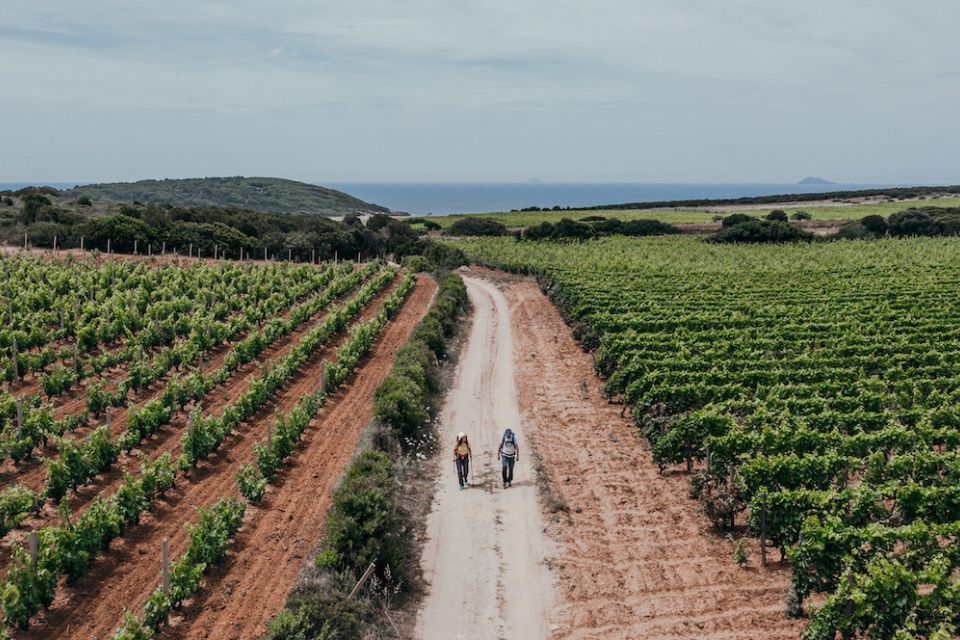
The initiative is promoted as part of the activities of the Santa Barbara Mining Trail and organized by the Carignano Trails, a themed itinerary that develops along the route of the Sardinian trail. The event will bring to Milan a national discussion dedicated to wine tourism on foot, a slow tourism model that combines physical activity, landscape, culture, and local productions.
THE CARIGNANO TRAILS PROJECT IN THE SANTA BARBARA MINING TRAIL
For the Santa Barbara Mining Trail, the theme represents a natural evolution of the territorial enhancement process. The Carignano Trails project integrates the mining and landscape heritage with one of the territory’s signature productions: wine.
The goal is to create new experiential itineraries that cross vineyards and rural landscapes, capable of telling the story, traditions, and local communities.
WINE TOURISM AND SLOW TOURISM: THE ECONOMIC VALUE OF WINE TRAILS
The Wine Trails theme fits into a growing trend in Italian tourism: food and wine tourism. According to economic analyses of the sector, each tourist presence related to food and wine generates an average of over €150 in added value, thanks to widespread spending that involves agriculture, dining, tourism services, commerce, culture, and crafts.
In this scenario, Wine Trails represent an effective tool for expanding the economic impact of tourism because they network wineries, producers, tourism businesses, institutions, and local communities. Itineraries among vineyards and rural landscapes also promote slower enjoyment of the territories, contributing to the deseasonalization of tourist flows and the enhancement of inland areas.
THE TALK AT FA’ LA COSA GIUSTA! WITH WINE TRAILS EXPERIENCES
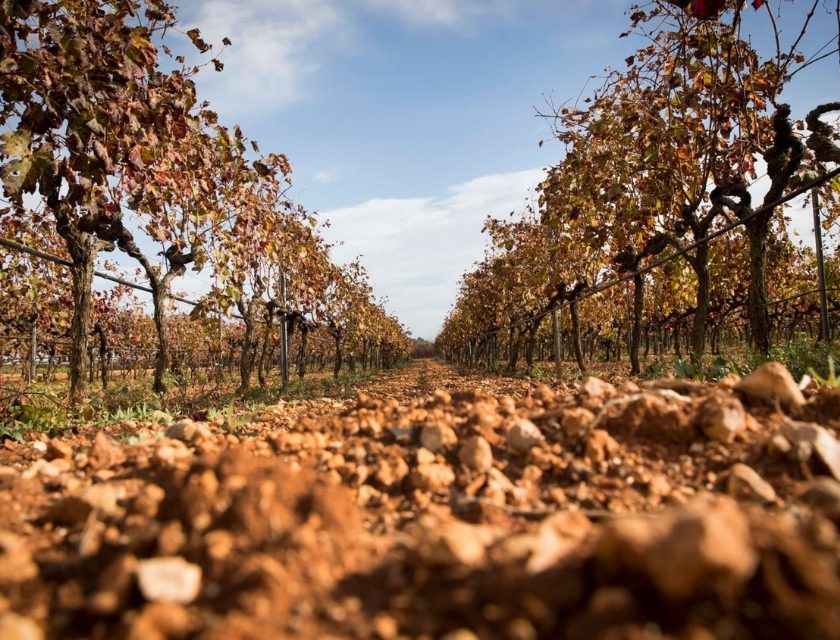
The meeting will present the Carignano Trails project in Milan for the first time and explore the role of walking among vineyards, including ungrafted vines, as a tool to strengthen the attractiveness of rural territories and generate new local economies.
Opening the talk will be Simone Franceschi, head of territorial strategy for the Santa Barbara Mining Trail, who will introduce the theme of food and wine trails as platforms for territorial development. The discussion will feature participation from several Italian slow tourism experiences related to wine culture: Simona Pau, Carignano Trails representative; Tommaso Battistolli, Wine and Stone Trail representative; Paolo Campagnoli, Novarese Hills Trail representative.
Also participating will be Roberto Donadini, national president of FISAR, who will bring the perspective of one of Italy’s leading organizations dedicated to wine culture and training in the food and wine sector.
THE ROLE OF TRAILS IN TERRITORIAL DEVELOPMENT
According to Mauro Usai, president of the Santa Barbara Mining Trail Foundation, the initiative represents a further step in the territorial enhancement process: “The Carignano Trails represent a further step in building an integrated territorial development model, in which historical heritage, landscape, local productions, and slow tourism become part of a single territorial narrative. Through dialogue with other Italian experiences,” Usai concludes, “we position ourselves as an innovation laboratory for trail tourism, capable of connecting culture, landscape, and production chains and generating widespread benefits for local communities.”