IN BREVE
- La Prima del Valtènesi has consolidated the identity of the Italian wine region, emphasizing the importance of rosé.
- The territory on the Brescia side of Lake Garda, now a sub-zone of the Riviera del Garda Classico DOC, has a long history of producing pink wines.
- During the event, a masterclass was held comparing wines from the 2025 vintage with those from previous years.
- The annual production of Valtènesi wines is approximately 3 million bottles, of which over 2.5 million are rosé.
- The Valtènesi Consortium is committed to preserving and growing the viticultural heritage, promoting a short and sustainable supply chain.
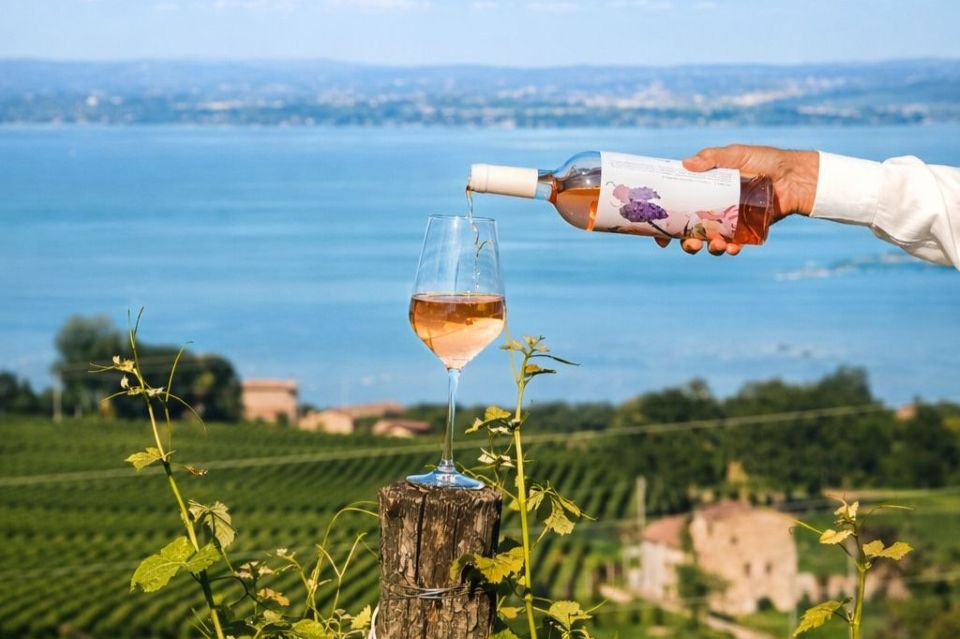
Valtènesi is consolidating its position in the Italian wine scene by focusing on identity, simplification, and recognizability. This vision was reaffirmed during “La Prima del Valtènesi” on March 23 at the “Casa del Vino della Valtènesi” in Puegnago del Garda (Brescia).
A territory on the Brescia shore of Lake Garda, soon to no longer be a PDO but a sub-zone of the Riviera del Garda Classico DOC, where “rosé” is not a recent trend but a historical and productive expression. The vocation for pink wines dates back to 1896, when Senator Pompeo Molmenti first codified the production technique in Moniga del Garda.
ROSÉ BEYOND TIME
“La Prima del Valtènesi” was also an opportunity for a vertical masterclass comparing vintages. Three wines from the current vintage on the market, 2025, and three from previous years. A conversation with an unusual timeframe for rosé wines. While the 2025s show freshness and immediacy, the previous vintages demonstrate the evolutionary capacity of wines not always designed for aging.
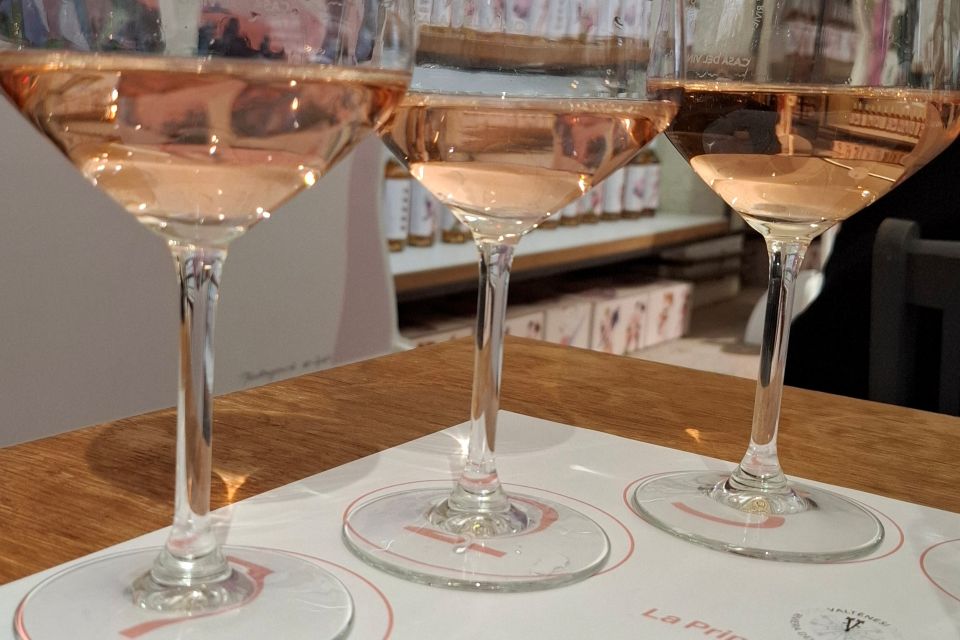
- Anima, Valtènesi Riviera del Garda Classico 2025, Bottenago. A wine that focuses on drinkability. Floral and fruity on the nose, with a citrus vein that provides freshness. Vertical and savory on the palate.
- Notterosa, Valtènesi Riviera del Garda Classico 2025, Delai. Greater olfactory intensity compared to the previous one. Fewer fruity notes but a mineral vein on the nose. More structure on the palate, with marked salinity.
- Fontanamora, Valtènesi Riviera del Garda Classico 2025, Turina. Pungent, lively, and fresh nose. Red fruits and a light spicy note. In the mouth, it is vibrant with citrus freshness—grapefruit—accompanying a sort of light spiciness from fresh ginger.
- RosaMara, Valtenesi DOC Chiaretto 2024, Costaripa. Beautiful structure and evolution for a wine not intended for aging. Not very floral but rich in citrus peel notes and a spicy vein reminiscent of tea leaves. The finish has a pleasant bitter note.
- Antitesi, Valtènesi Riviera del Garda Classico 2023, Avanzi. A decisive change of pace compared to the previous wines. Intense nose featuring dried flowers, ripe fruit, and a “green” note suggesting roots and undergrowth. In the mouth, alongside vibrant freshness and salinity, it reveals a light tannic note.
- Lettera C, Valtènesi Riviera del Garda Classico 2022, Pasini San Giovanni. The most evolved and pleasantly unexpected of the flight. Aromas ranging from apple to dried flowers, with a touch of candied ginger. Full, enveloping, yet fluid on the palate.
THE CONSORTIUM AND THE SUPPLY CHAIN
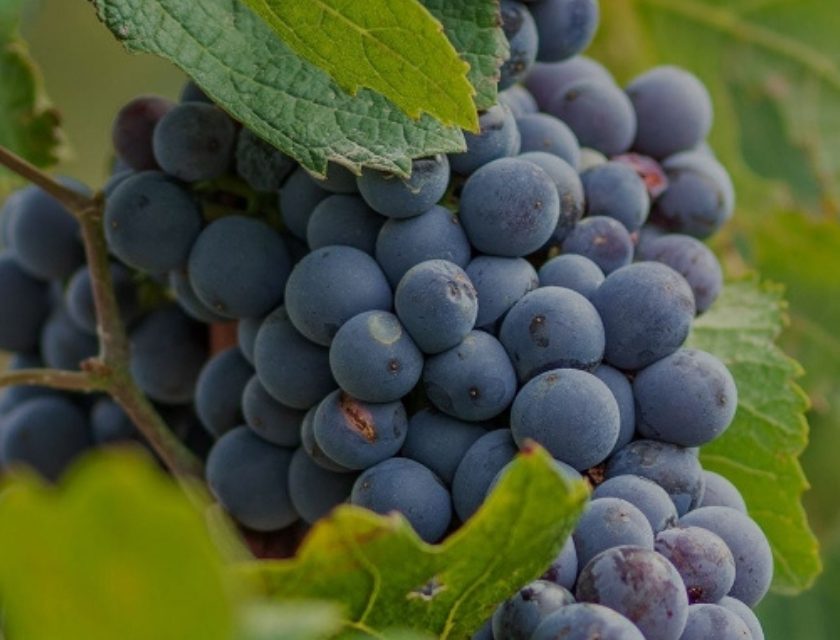
The vineyard area of Valtènesi is approximately 500 hectares. Groppello is the primary grape variety. Annual production stands at just under 3 million bottles, including over 2.5 million of rosé. A “short supply chain” system (no external suppliers or bottlers) that includes more than 40 wineries.
«The Valtènesi Consortium is much more than a simple consortium: it is the beating heart of a community of winemakers who for generations have cultivated an extraordinary territory with dedication and respect, shaped by the hills and kissed by Lake Garda. For us, rosé is not just a wine, but a liquid emotion that tells stories of hard work, passion, and love for the land,» says Paolo Pasini, president of the Valtènesi Consortium.
«Our mission – continues Pasini – is to preserve and grow this legacy, producing wines that are authentic ambassadors of our culture, our history, and our identity. We firmly believe in the strength of the short supply chain, in the transparency of every production step, and in sustainability as an essential value for a future we want to be better.»
THE REGULATORY TURNING POINT
The Protected Designation of Origin “Valtènesi” was recently removed from the European Union’s PDO register. The decision is contained in Commission Implementing Regulation (EU) 2026/572, adopted on March 17, 2026, and published in the Official Journal of the EU.
The choice, supported by the Consortium, aims to transform Valtènesi into a sub-zone of the Riviera del Garda Classico DOC. The goal is to increase perceived value and strengthen clarity for the consumer.
According to the Consortium, the production system has progressively focused its identity on the joint use of “Valtènesi” and “Riviera del Garda Classico” on labels. This orientation reflects the historical link with the territory and the Groppello grape variety.
A STRATEGY OF SIMPLIFICATION
The renunciation of the autonomous PDO is part of a process of rationalizing the appellations of the Brescia side of Garda. The goal is to avoid overlaps and strengthen recognizability in the markets. Valtènesi thus chooses a clear line: less fragmentation, more territorial identity. Rosé remains the pivot of this strategy, a direct expression of a production culture that unites history, technique, and territory.