IN BREVE
- Tuscany develops a new resistant Sangiovese plant through New Breeding Techniques (NBTs) to address climate and phytosanitary emergencies.
- The project involves Coldiretti Toscana, Vigneto Toscana, CREA-VE, and the University of Udine, aiming to strengthen the resilience of the region’s flagship grape variety.
- NBTs allow for targeted interventions on plant DNA without introducing external genetic material, accelerating natural adaptation.
- The first plant is growing in vitro, and field applications will begin in the spring of 2027 to ensure production continuity and quality.
- The results of the trial will be presented on April 13 at Vinitaly during the meeting on Sangiovese and sustainability.
A new response to climate and phytosanitary emergencies comes from Tuscany. The first Sangiovese plant obtained with New Breeding Techniques (NBTs) has been created, with the aim of strengthening the resilience of viticulture in the face of drought and disease.
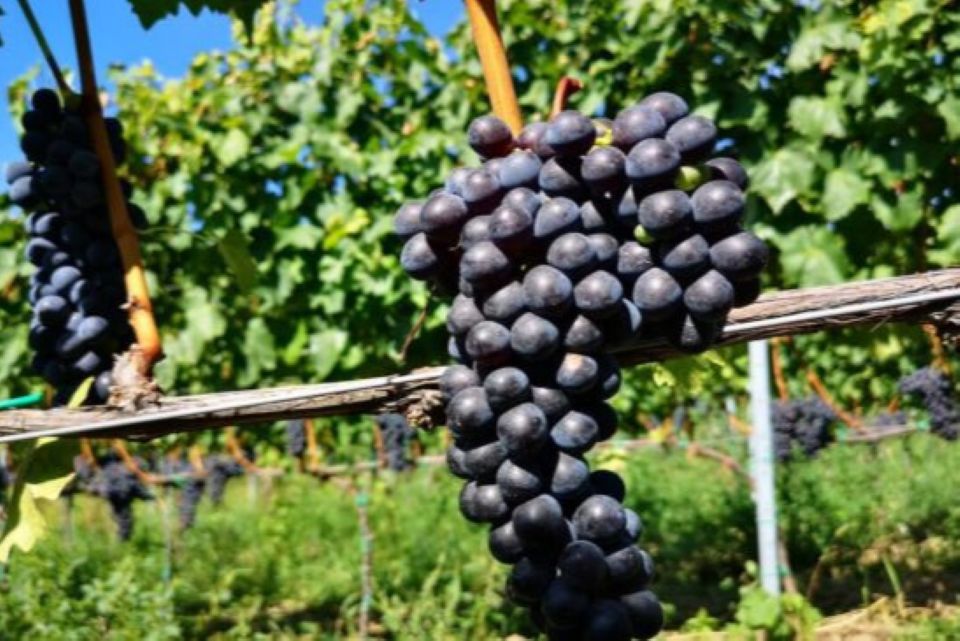
The project stems from the collaboration between Coldiretti Toscana and Vigneto Toscana, together with CREA-VE and the University of Udine. At the heart of the research is Sangiovese, the region’s symbolic grape variety, which represents over 60% of the Tuscan vineyard area and from which approximately 7 out of 10 bottles of regional wine are derived.
DEVELOPING A MORE RESILIENT VITICULTURE
NBTs are an innovative tool for the wine sector. These technologies allow for targeted interventions on plant DNA without introducing external genetic material. The result is an acceleration of natural adaptation processes.
New species are not created; instead, the focus is on the evolution of existing varieties. In this case, Sangiovese will be able to develop greater resistance to water stress and major plant diseases, including powdery mildew. A significant aspect also concerns the possibility of reducing the use of pesticides.
ONGOING EXPERIMENTATION AND PROSPECTS
The first plant is currently in the in vitro growth phase at the CREA laboratories in Conegliano Veneto. The first field applications are planned starting from the spring of 2027. The goal of the project is to provide wine businesses with concrete tools to ensure production continuity and quality, while simultaneously safeguarding the territory, agricultural income, and competitiveness.
PUBLIC RESEARCH AND INNOVATION
The research path spans a three-year period, with the support of the University of Udine and the involvement of the Consorzio Agrario del Tirreno. The initiative confirms Tuscany’s role as an area attentive to innovation in viticulture.
The first results of the trial will be presented on April 13 at Vinitaly, during the meeting “Sangiovese between tradition and innovation: the role of NBTs for a more sustainable viticulture,” scheduled for 3:00 PM at Casa Coldiretti.