IN BREVE
- The 2026 Champagne harvest was the earliest ever recorded, beginning on August 6, two weeks ahead of 2025.
- Extreme weather conditions, including frosts and heatwaves, reduced cluster volume, but the grapes arrived at the winery in excellent condition.
- Rapid ripening required adjustments to schedules and operations, with a focus on worker safety during high temperatures.
- Initial assessments of the musts indicate concentration, freshness, and acidity, providing excellent raw material for the chefs de cave.
- The Comité Champagne compares 2026 with historic vintages, but the true value of the Champagnes will depend on the fermentation and blending processes.
The 2026 harvest in Champagne was the earliest ever recorded in the appellation. The first pickings began on August 6, while the general calendar opened on August 12. From August 17, operations involved the entire region, nearly two weeks ahead of 2025.
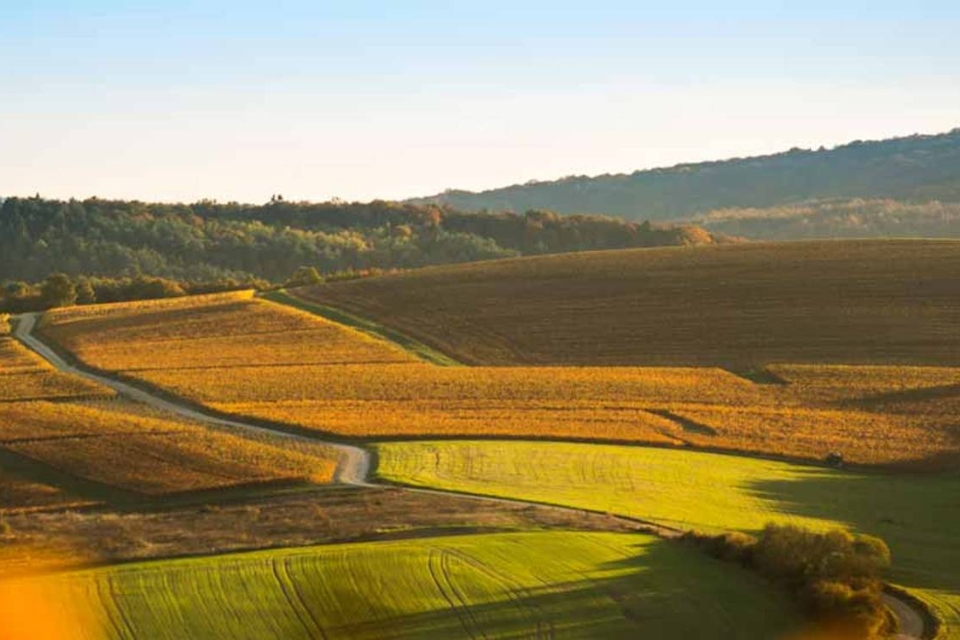
A vintage outside the box, marked by particularly intense spring frosts, early flowering, and five heatwaves during the summer. The drought reduced cluster volume and is expected to contain the average agronomic yield. The grapes, however, arrived at the winery healthy, ripe, and with a balance judged promising by the Comité Champagne.
THE VINEYARD’S RESPONSE TO THE HEAT
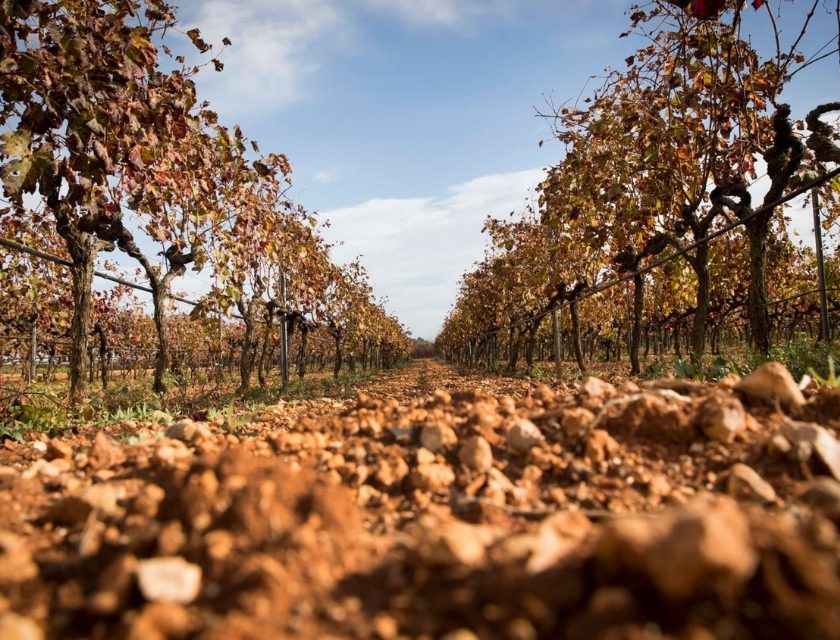
Despite high temperatures and scarce rainfall, the vines maintained good vegetative activity. According to the appellation’s first report, the clusters resisted the extreme conditions without widespread phenomena of sunburn or scorching.
The rapid acceleration of ripening forced companies and winegrowers to modify schedules and work organization almost in real time. “An atypical vintage, which has profoundly modified our references,” commented Maxime Toubart, president of the Syndicat Général des Vignerons and co-president of the Comité Champagne.
Particular attention was paid to worker safety. During the hottest days, picking hours were modified and prevention measures strengthened. From August 17, more moderate temperatures facilitated the completion of operations. The harvest involves nearly 100,000 people in Champagne every year.
RIPE YET FRESH MUSTS
Initial evaluations describe musts that are concentrated and rich in fruit, yet still endowed with freshness and acidity. A fact that is by no means a given in such a hot season. The manual harvesting of whole clusters, gentle pressing, and fractionation of the musts are said to have contributed to preserving this balance.
“The raw material is very beautiful, healthy, and ripe,” summarized David Chatillon, president of the Union des Maisons de Champagne and co-president of the Comité Champagne.
Now the game passes to the chefs de cave. For the blends, they can also count on reserve wines from three very different harvests: the cool and damp 2024, the warm 2025, and the scorching 2026. A succession that could offer a particularly wide palette, especially for non-vintage cuvées.
COMPARISONS WITH GREAT VINTAGES
It is still too early to determine what the real value of the 2026 Champagnes will be. Fermentations, aging, and blending choices will have to confirm the sensations that emerged during the harvest.
The Comité Champagne nevertheless recalls, for certain characteristics of the raw material, historic vintages of the twentieth century such as 1921, 1947, and 1959. A suggestive comparison that captures the industry’s expectations but must inevitably pass the test of time and the glass.