IN BRIEF
- The United States proposes raising tariffs on European wines from 10% to 15%, excluding Champagne from the increase.
- The proposed 15% already includes Section 301 tariffs and would represent a five-percentage-point increase for wines subject to the 10% rate.
- Comments on the proposals can be submitted by January 5, 2027, with initial hearings on January 25, 2027.
- The U.S. Wine Trade Alliance is seeking broader exemptions and considers the exclusion of Champagne a positive step.
- The Italian wine industry has already suffered significant losses due to tariffs and the depreciation of the dollar.








The United States proposes raising tariffs on European wines from 10% to 15%, with Champagne exempt from the increase. The announcement came on November 25 from the Office of the United States Trade Representative (USTR), following investigations into structural excess capacity in the manufacturing sectors of 14 trading partners, including the European Union. The measures fall under Section 301 of the Trade Act of 1974. The proposed US tariff increase on EU wine is therefore at the center of the international trade debate.
The proposal is subject to public consultation. Current rates remain in effect, and no start date has yet been set for any increases.
THE U.S. WINE TRADE ALLIANCE UPDATE
In an update to industry members, Ben Aneff, president of the U.S. Wine Trade Alliance, clarifies that the proposed 15% includes ordinary duties and Section 301 tariffs already applicable. For wines currently subject to a 10% rate, the change would therefore mean an increase of five percentage points. The increase in US tariffs on EU wine could have a significant impact on the market.
The USTR document also considers an alternative rate of up to 20% in total, should Washington deem the consultations and European commitments linked to the EU-US trade deal, known as the Turnberry agreement, unsatisfactory. This scenario also takes existing ordinary duties and Section 301 tariffs into account.
The initiative stems from US objections to the industrial policies of the partners concerned. For the European Union, USTR cites support for production and exports, barriers to market access and preferential financing, among other issues, with particular attention to the automotive, chemical and pharmaceutical sectors.
CHAMPAGNE EXCLUDED FROM INCREASE, OTHER SPARKLING WINES STILL AFFECTED
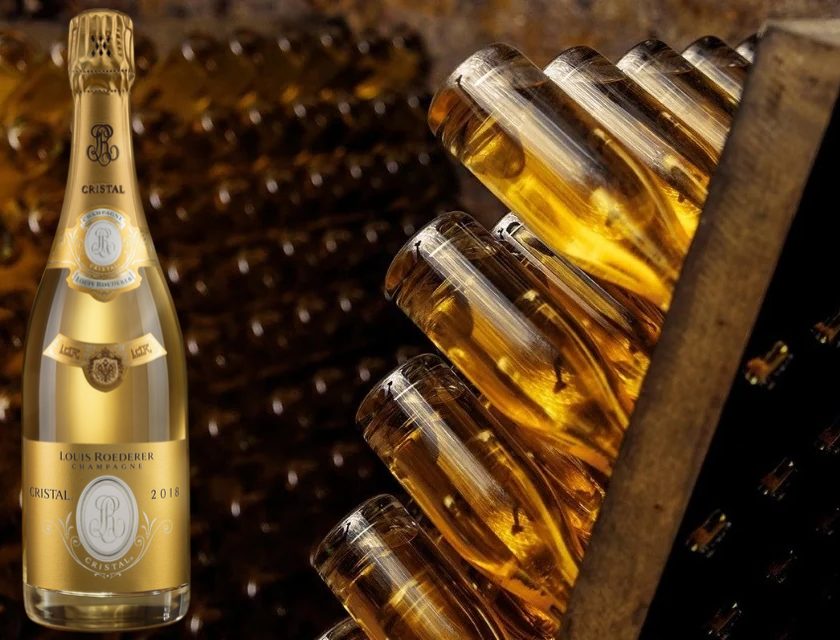
In the annex to the proposal, USTR expressly lists Champagne produced in France among the exempt products. The exclusion applies to the new tariff measure: existing duties would remain in effect.
The specific reference to Champagne leaves other European sparkling wines within the scope of the proposed increase. Consequently, Prosecco, Franciacorta, Trentodoc and Cava would be subject to the new rates. The list of exemptions includes several cork products, including natural and agglomerated cork stoppers.
The U.S. Wine Trade Alliance welcomes the concession on Champagne as a possible precedent for securing broader exclusions. According to Aneff, this is the first time the administration has proposed an exemption for wine under these tariff actions.
- European wine tariffs, USWTA in Washington: “They harm Americans”
- European wine, new risk of US tariffs: USWTA mobilizes American sellers
- Cavit closes 2025/2026 financial year with revenue down 6.3% as US market weighs
The association notes that it has advocated excluding wines with geographical indications, which are tied to specific agricultural areas and therefore cannot be replicated in the United States. In the Alliance’s view, Champagne’s inclusion on the list is a useful step in support of this request. The proposed increase in US tariffs on EU wine remains a major concern for producers.
Aneff also calls for an exemption covering wine as a whole. “The industrial policies at the heart of these investigations have very little to do with wine,” he observes in his message to industry members. The association argues that additional tariffs would weigh on American businesses and jobs at an already difficult time for the sector.
UIV: MORE THAN €380 MILLION IN LOST EXPORTS
In Italy, calls are being made for the European Commission to intervene to avert another escalation. President Lamberto Frescobaldi highlights the importance of the United States, which accounts for 24% of the value of national wine exports, and estimates that tariffs and the depreciation of the dollar have cost more than €380 million in exports compared with pre-tariff levels.
According to the UIV Observatory, based on Istat data, Italian shipments to the US fell by €237 million, or 16%, between April and December 2025 compared with the same months in 2024. In the first eight months of 2026, the shortfall against the corresponding period in 2024 amounted to a further €145 million, a decline of 11.6%.
A comparison with 2025, however, shows a recovery in shipment values in July and August 2026, up 9.7% and 21.3% respectively. The two comparison periods therefore offer different indications of market performance.
COMMENTS DUE BY JANUARY 5, HEARINGS FROM JANUARY 25
For the proceedings concerning the European Union, the deadline for submitting written comments and requests to participate in the hearings is January 5, 2027. Hearings begin on January 25, 2027, at 10 AM in Washington, 4 PM in Italy, at the U.S. International Trade Commission. ustr.gov
Australia, New Zealand, Chile, Argentina and South Africa are not among the 14 partners targeted by the proposals announced on November 25. The U.S. Wine Trade Alliance is meanwhile preparing its submission to the consultation, seeking broader exemptions and relief from tariffs already in effect. The proposed increase in US tariffs on EU wine remains central to trade negotiations between the parties.