IN BRIEF
- Gran Selezione is reserved exclusively for Chianti Classico, confirmed by an amendment to Law no. 238 of December 12, 2016.
- The Senate has approved regulations that resolve a regulatory dispute between Chianti and Chianti Classico regarding Gran Selezione.
- Chianti and Chianti Classico are two distinct denominations with separate production regulations and consortia, each with its own characteristics.
- The approved amendment prevents the adoption of Gran Selezione by other denominations after 2026.
- The Senate’s approval concludes the parliamentary process, but Chianti DOCG has already waived the category, introducing Rosé instead.
Gran Selezione is a category that belongs only to Chianti Classico. On November 4, the Senate gave final approval to the bill amending Law no. 238 of December 12, 2016, the Consolidated Law on Wine and Viticulture. The provision reserves the mention for wines with a designation of origin whose production regulations had already provided for and regulated its use before January 1, 2026.
The text does not directly name Chianti Classico. The clause identifies the denominations based on their respective regulations: Chianti Classico introduced Gran Selezione in 2014, while Chianti DOCG did not include it in its regulations. The amendment approved by the Senate thus legally settles a dispute that had gained public prominence in 2019.
The numbers define the importance of the measure. Chianti Classico Gran Selezione currently represents 5% of Chianti Classico production. To date, 197 wineries have certified a Gran Selezione at least once, for a total of 256 labels (some wineries produce more than one Gran Selezione label). In 2014, when the new category was first presented to the public, only 33 wineries were the first to certify a GS.
CHIANTI CLASSICO VS CHIANTI DOCG: THE DISPUTE OVER GRAN SELEZIONE
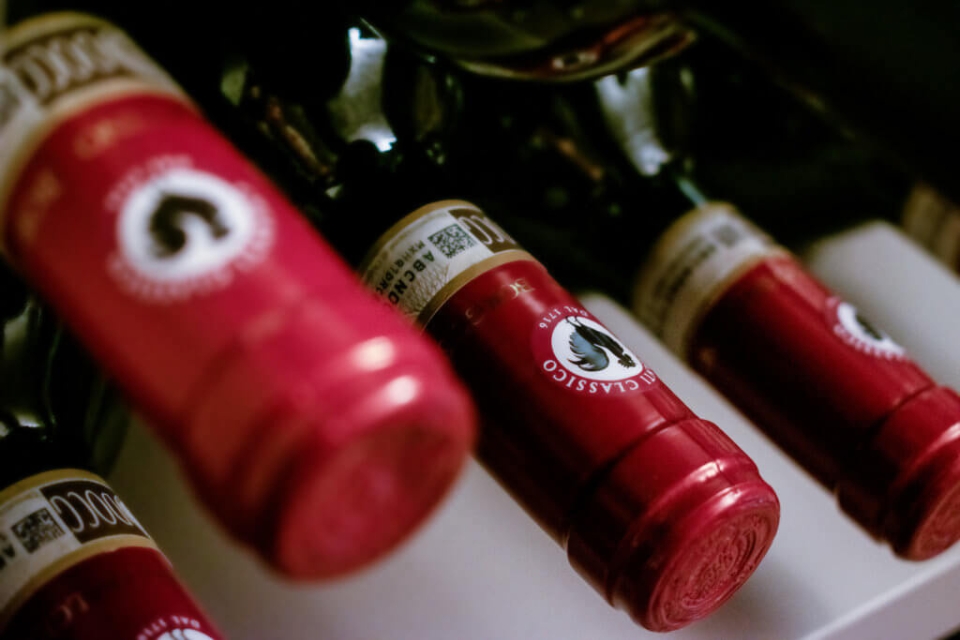
Chianti and Chianti Classico are two distinct DOCGs, with separate production regulations and protection consortia. The former covers a larger area, divided into Tuscan sub-zones. The latter refers to the historic territory between Florence and Siena and features the Black Rooster on the label. The denominations are close and share an intertwined viticultural history. Indeed, some producers operate in both.
Gran Selezione was created within the Chianti Classico regulations as the top-tier category, launched on the market in 2014. In 2019, the Consorzio Vino Chianti approved a proposal in its assembly to introduce the same mention in the Chianti DOCG. It included specific requirements, such as a minimum aging period and a higher alcohol content. However, the members’ vote only initiated an amendment process; it did not equate to the final approval of the new category.
The reaction from the Chianti Classico Consortium was sharp. The stated fear was that two wines from different denominations, presented with the same mention and partially similar requirements, could create market confusion and weaken the identity of Gran Selezione.
The amendment proposed by the Consorzio Vino Chianti did not eventually enter the regulations, which have more recently pivoted towards the introduction of Chianti DOCG Rosé, abandoning the GS path. The version approved in June 2026 lists the Chianti DOCG categories, including the Superiore mention, but not Gran Selezione.
- Chianti changes strategy: out with “Gran Selezione”, in with DOCG Rosé
- It’s time for Chianti Classico Gran Selezione: 63 wines with blind scores
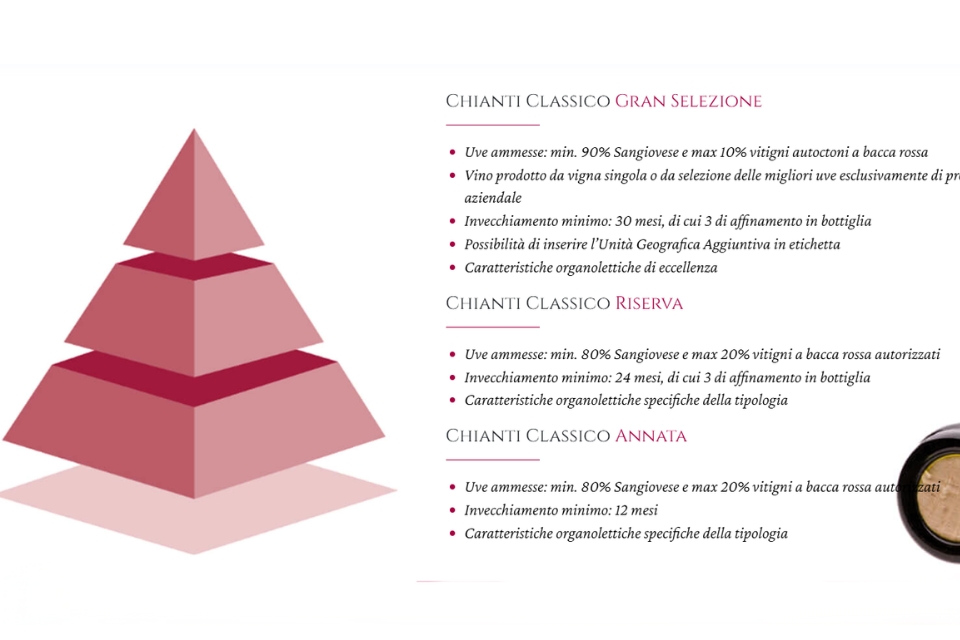
- Chianti Classico Gran Selezione changes: 90% Sangiovese and UGA on the label
SENATE SETS TIME LIMIT FOR GRAN SELEZIONE REQUESTS
Furthermore, as early as 2022, the Tuscany Region had signaled the lack of necessary consensus to include it, postponing the decision pending the procedure regarding the protection of the traditional Chianti Classico mention. The 2016 regulatory framework had made it possible for other denominations to request the introduction of Gran Selezione, subject to an amendment of their own regulations and the relative approval process.
The regulation now approved by the Senate sets a time limit: the mention remains with the denominations that had already regulated it before 2026. The threshold therefore protects the path taken by Chianti Classico and prevents new adoptions of the same mention after that date.
THE PATH OF THE BLACK ROOSTER
Since 2014, as the Black Rooster body points out in a note, Chianti Classico has invested human and economic resources in the production and promotion of Gran Selezione. Over time, the category has contributed to the denomination’s positioning and has gained its own recognition on the markets. The regulations define specific production requirements. Subsequent amendments have strengthened the link with the areas of origin, allowing for the indication of Additional Geographic Units.
«This is a result of extraordinary importance – comments Giovanni Manetti, president of the Consorzio Vino Chianti Classico – which comes at the end of a long and complex journey. Over these years, we have convincingly defended our work, our identity, and the value of a project, that of Gran Selezione, in which we believed from the very first moment. A path that has always seen the trust and support of our Board of Directors and all Black Rooster producers: today we can thus look to the future with greater serenity and continue with determination on the path we have taken».
The Senate’s approval concludes the parliamentary process, but the bill must be promulgated and published to come into force. It is only a matter of time: Chianti Classico can already claim victory.