IN BREVE
- The Consorzio di Tutela Bianco di Pitigliano e Sovana DOC celebrated 60 years of the Bianco di Pitigliano DOC with a conference in Pitigliano.
- During the event, discussions focused on the enhancement of the wine heritage and the territorial identity of Bianco di Pitigliano.
- Expert interventions explored the concept of terroir and the importance of geology in local viticulture.
- The mayor emphasized the importance of strengthening the link between wine and the territory to increase its market recognition.
- The Vice President of the Consortium closed the conference with the aim of increasing the value of Bianco di Pitigliano by promoting local identity.
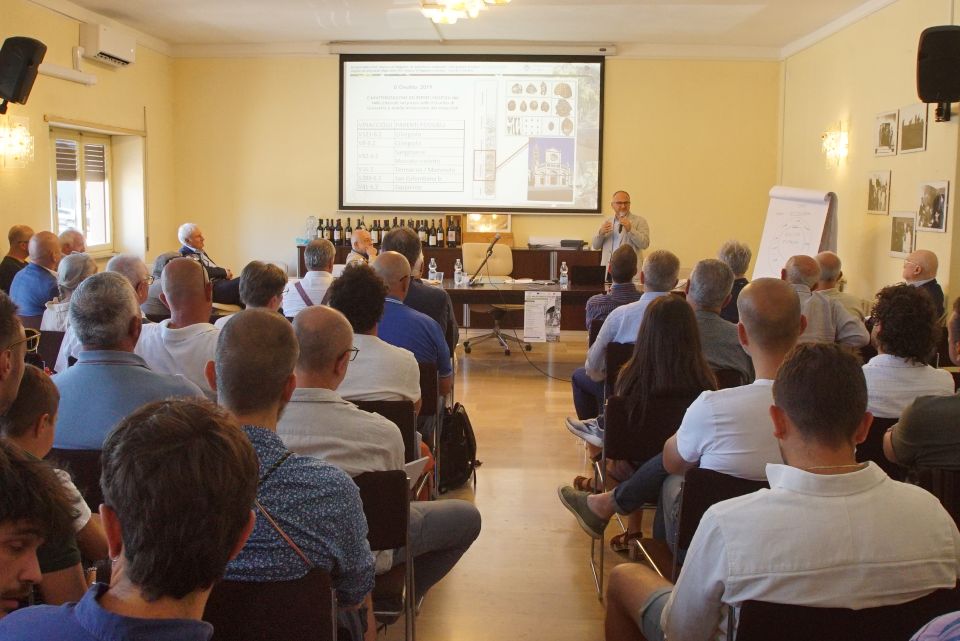
Sixty years of history for one of the oldest denominations in Tuscany. The Consorzio di Tutela Bianco di Pitigliano e Sovana DOC celebrated the anniversary of the Bianco di Pitigliano DOC with the conference “60 years of the Bianco di Pitigliano DOC – A millenary heritage looking to the future,” hosted at the Cantina di Pitigliano. The initiative represented a moment of reflection on the origins, identity, and prospects of the denomination, among the first to be recognized in Italy. At the center of the debate was not only the enological value of Bianco di Pitigliano, but also the human and production journey that has accompanied its development over six decades.
THE VALUE OF A COMMUNITY
During the conference, a clear desire emerged to enhance the heritage built by producers, wineries, and generations who have contributed to keeping the denomination alive. A journey that has allowed a small-scale viticultural reality to undergo significant transformations without losing the bond with its territory.
Bianco di Pitigliano was described as an expression of a community that has been able to preserve and enhance a historical and cultural heritage, recognizing its value long before concepts such as territorial identity and sustainability took on a central role in the wine sector.
TERROIR AND THE UNIQUENESS OF TUFFACEOUS ROCK
Among the most anticipated speakers was Professor Mario Fregoni, member of the Accademia della Vite e del Vino and an expert in viticulture. Fregoni delved into the concept of terroir, highlighting how the uniqueness of a wine stems from the interaction between grape varieties, climate, and soil, to which the human contribution is added, estimated at around 20% of the final result.
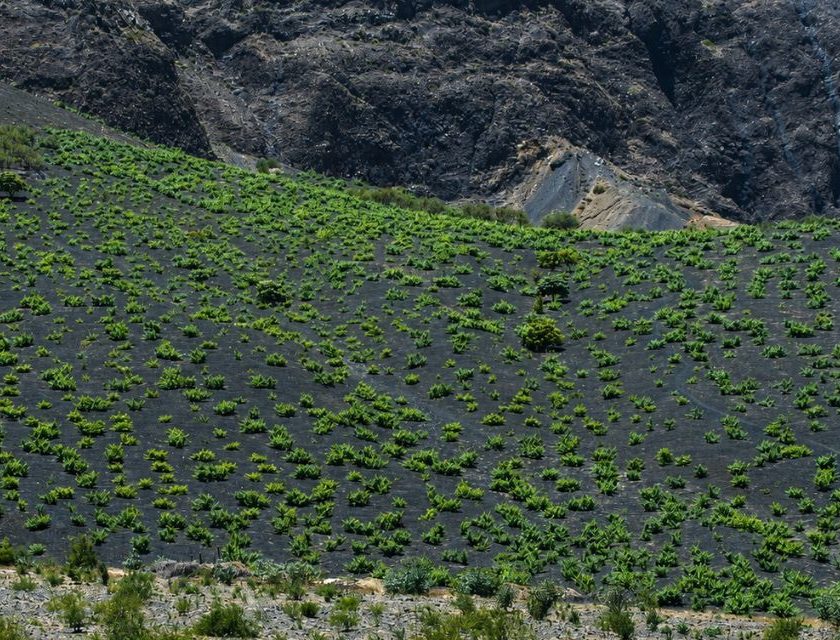
According to the professor, the Pitigliano area represents an example of strong territorial characterization thanks to its tuffaceous origin. This very distinctive element could become an even more central factor in the denomination’s communication, even leading to the hypothesis of a direct reference to “Tuffaceous Rock”. The idea of strengthening the link between wine and territory was one of the recurring themes throughout the day of study.
THE ROLE OF THE DENOMINATION IN THE TERRITORY
The conference was opened by greetings from the Mayor of Pitigliano, Giovanni Gentili. The mayor recalled how today the village is known primarily for its historical and landscape heritage, whereas in the past, wine was one of the main elements of its fame.
Hence the need to strengthen the connection between the territory and wine production, focusing on quality and the enhancement of the DOC.
The President of Cantina di Pitigliano, Paolo Spicci, emphasized that the quality of production has remained constant over time. The current challenge, according to Spicci, is to bring Bianco di Pitigliano back to the center of market and consumer attention, consolidating its identity and recognition.
SCIENTIFIC RESEARCH, BIODIVERSITY, AND INNOVATION
Ample space was dedicated to scientific insights. Professor Claudio D’Onofrio from the University of Pisa illustrated the origins and distribution of the grape varieties present in the denomination, reconstructing their historical and genetic connections.
Paolo Storchi presented the activities for the recovery, study, and conservation of local grapevine germplasm, highlighting the importance of protecting the varieties present in the area.
Professor Sandro Conticelli from the University of Florence explored the relationship between geology and viticulture, explaining how soils of volcanic origin contribute to defining the distinctive characteristics of the area’s wines.
Also present was Dr. Ines Tescione, representing the Ministry of the Environment, who expressed appreciation for the path of enhancement initiated by the territory.
SUSTAINABILITY AND FUTURE PROSPECTS
During the event, there was also talk of innovation applied to viticulture. Engineer Giancarlo Spezia illustrated some precision viticulture solutions aimed at more sustainable vineyard management and reducing the use of phytosanitary products, using them only where necessary.
Historian Angelo Biondi retraced the role played by viticulture in the economic, social, and cultural development of the Pitigliano community.
The conclusions were entrusted to the Vice President of the Consortium, Edoardo Ventimiglia, who recalled the work done by the producers who contributed to the birth and growth of the organization. The meeting revealed a shared desire to open a new phase for the denomination, based on quality, the enhancement of local identity, and collaboration between local companies.
The goal is to increase the value of Bianco di Pitigliano through its uniqueness, strengthening the link between wine, landscape, history, and community.