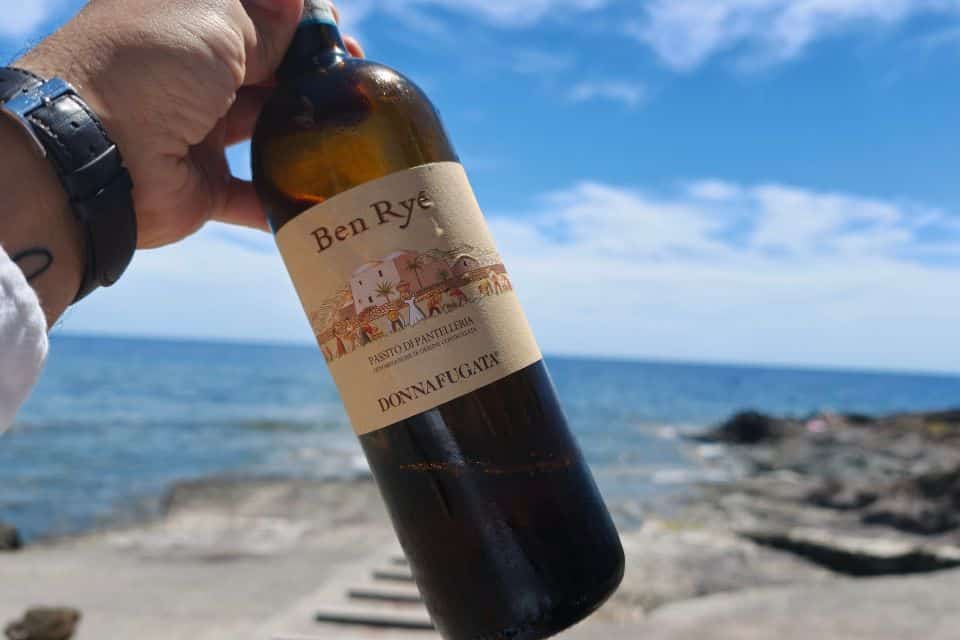
The latest visit to Pantelleria teaches us that Ben Ryé is not (only) a wine to be relegated to the end of the meal. It is a passito, of course. It is one of the most recognized Italian sweet wines in the world, certainly. But stopping there means reducing to a category something that is born from an island, a wind, and agricultural toil that are anything but decorative.
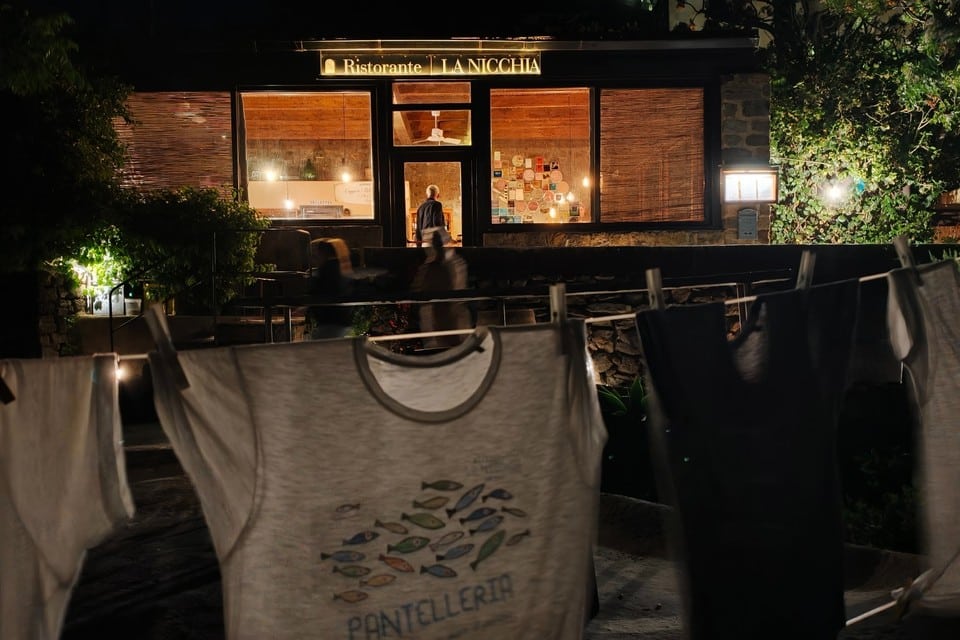
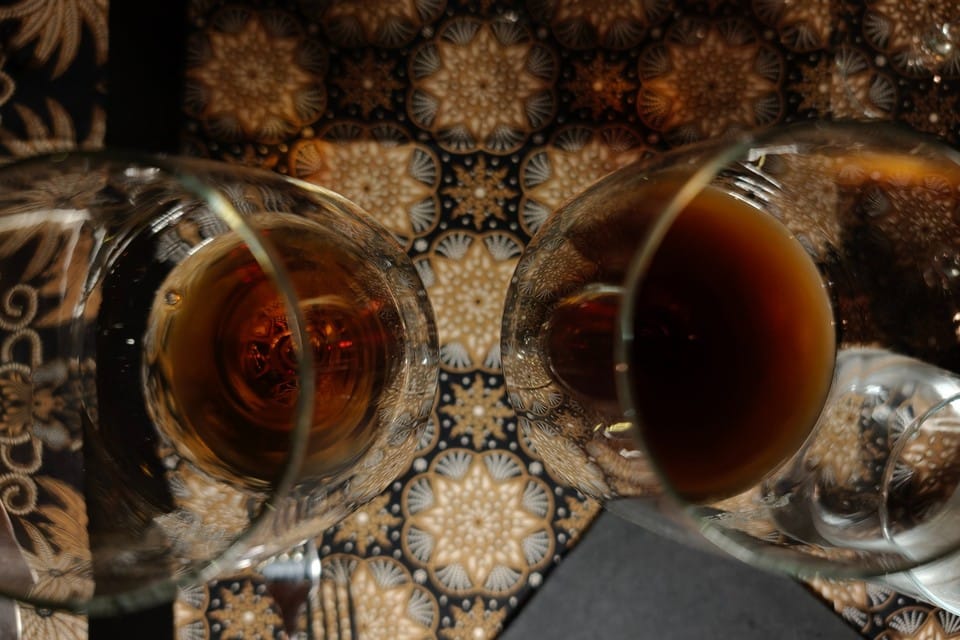
The proof arrived at the table, at the restaurant La Nicchia di Scauri – Dispensa Pantesca, during a dinner with the international press invited to Sicilia en Primeur 2026. An informal context, but much more useful than many flight tastings. In the glass, two vintages of Ben Ryé Donnafugata, 2013 and 2017 Limited Edition. On the plate, not dessert, but Pantescan cuisine. Savory, vegetal, Mediterranean.
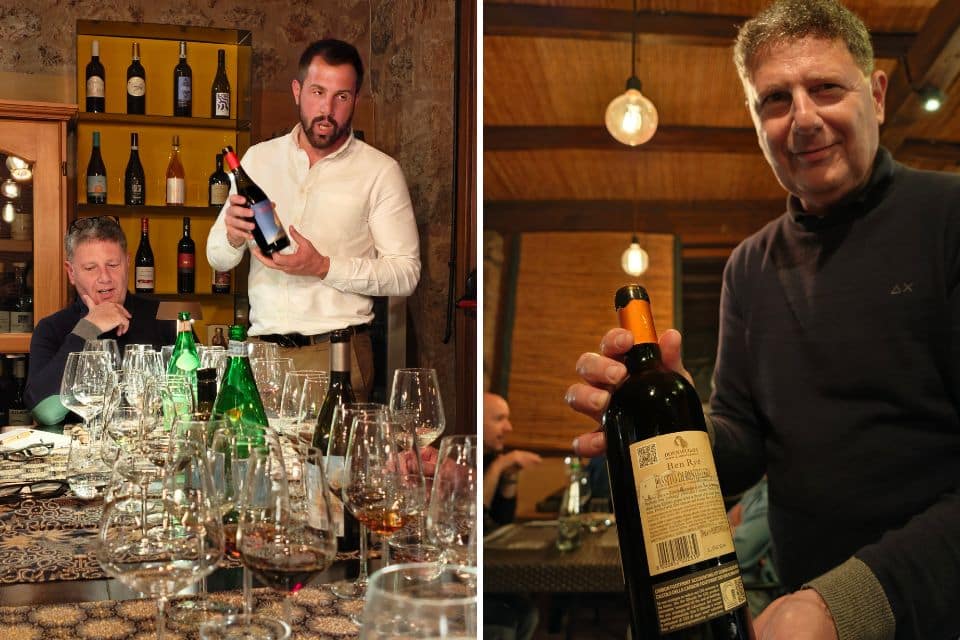
Also at the table was José Rallo, CEO of the Sicilian winery that arrived in Pantelleria in 1989. Ben Ryé stopped being a “dessert wine” right from the start. It became a meditation wine. And even more so, a wine for salt, for capers. For anchovies. For tomatoes, for eggplant. For Pantescan caponata. And only lastly “for dessert,” with the grand finale featuring the island’s quintessential sweet: the Bacio pantesco.
BEN RYÉ 2013 AND 2017, TWO VINTAGES OF PASSITO DI PANTELLERIA AT THE TABLE
The Ben Ryé 2017 Limited Edition was one of 3,717 numbered bottles with which Donnafugata wanted to showcase the evolutionary potential of its Passito di Pantelleria DOC. Zibibbo, naturally. Drying. Time. Waiting. Aging in tanks for 4 months and then over 6 years in the bottle, with residual sugars of 196 g/l and a longevity of at least two decades.
Apricot, yellow peach, candied orange peel, raisins. And more: figs, dates, carob, chestnut honey, Mediterranean herbs. But above all, an acidic backbone capable of balancing the sweetness. It is in these details that Ben Ryé stops being just “sweet” and becomes a gastronomic wine. A different pace and appearance for the 2013, served alongside. More dark amber, more relaxed. More texture. More depth. Sweetness is present, but not overpowering.
In fact, it is almost softened by a broad and enveloping bouquet, with intense fresh-balsamic notes of Mediterranean scrub. The same ones that can be admired—with eyes and nose—along the “Cammino di Khamma,” an evocative nature trail created by Donnafugata, just a few meters from the winery in the Pantescan district of the same name. A more mature profile for Ben Ryé 2013. Quieter, less frontal. And, for this very reason, even more suitable for savory dishes.
NOT JUST SWEET: PASSITO DI PANTELLERIA WITH CAPERS, ANCHOVIES, AND EGGPLANT
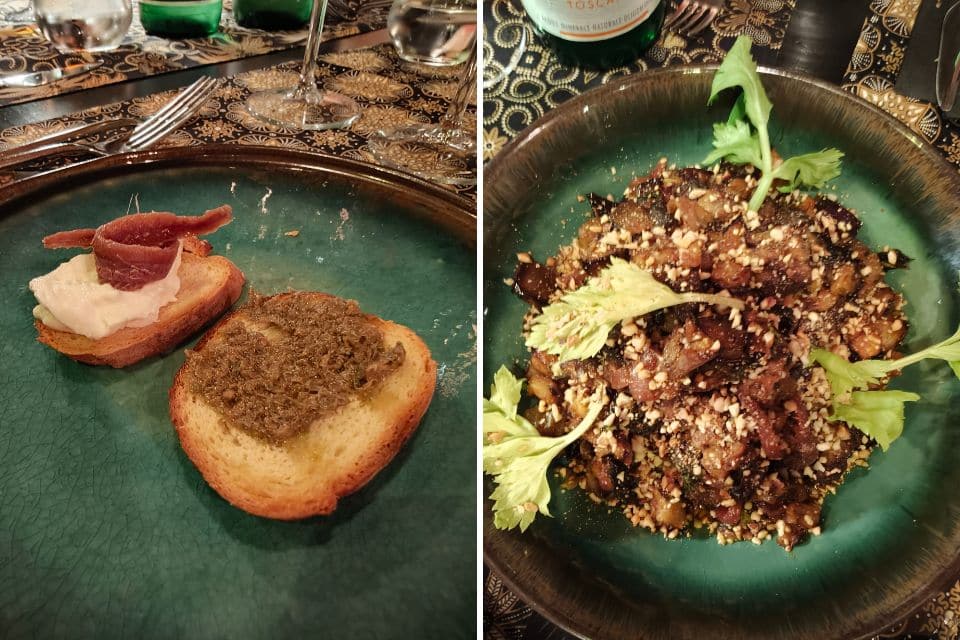
The first pairing immediately took one of Pantelleria’s iconic passitos out of the narrow confines of pastry. Crostini with caper pâté, fresh cheese, and anchovy. Salt, fat, acidity, aromatic intensity. The Ben Ryé 2017 responded with unexpected precision: it didn’t overpower the dish, it didn’t sweeten it. It didn’t tame it. It worked by contrast, bringing fruit, citrus, and persistence.
The same approach followed with the subsequent dishes. Anchovies with aromatic breading, herbs, and salad. A dry, crunchy preparation. With that bitter edge that often challenges more linear and less dense wines. Here, Ben Ryé—both 2017 and 2013—found its place in the marriage with its more citrusy and aromatic side. The sweetness? It transformed from the wine’s center of gravity into a component of its volume.
With the Pantescan caponata, the 2013 had the better pace. The evolved notes, the darker substance, and the long persistence intercepted the vegetal and caramelized elements of the dish. Not a textbook pairing, but an authentic island pairing, from plate to glass. Perhaps for this reason, it was even more convincing.


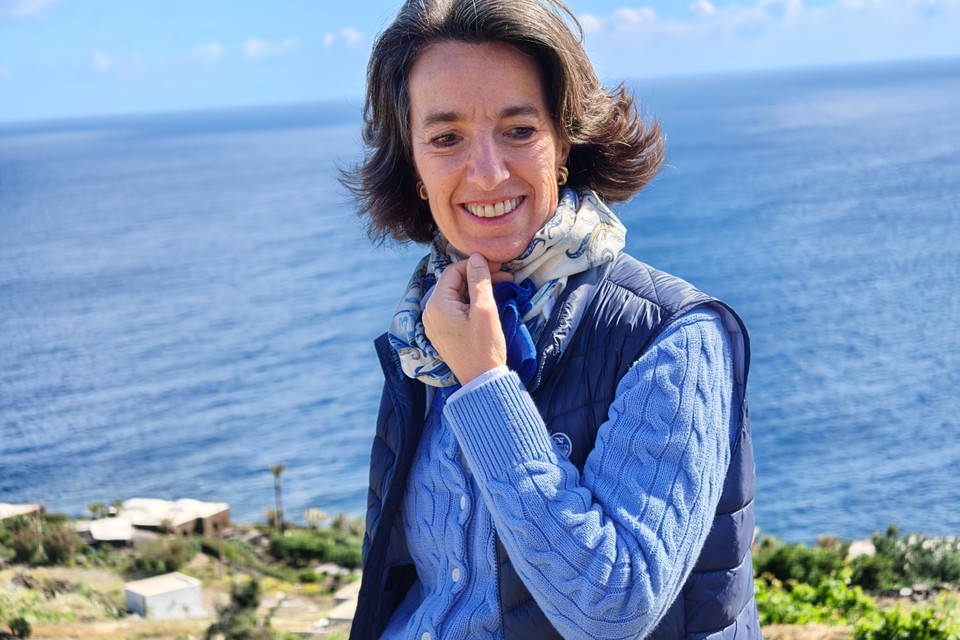
JOSÉ RALLO AT THE TABLE AND THE STORY OF BEN RYÉ
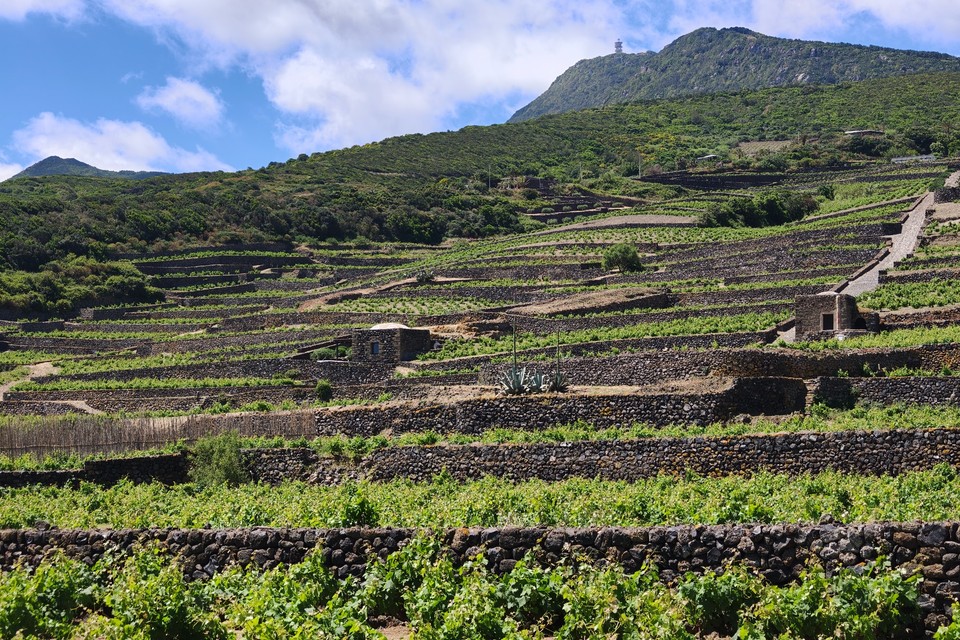
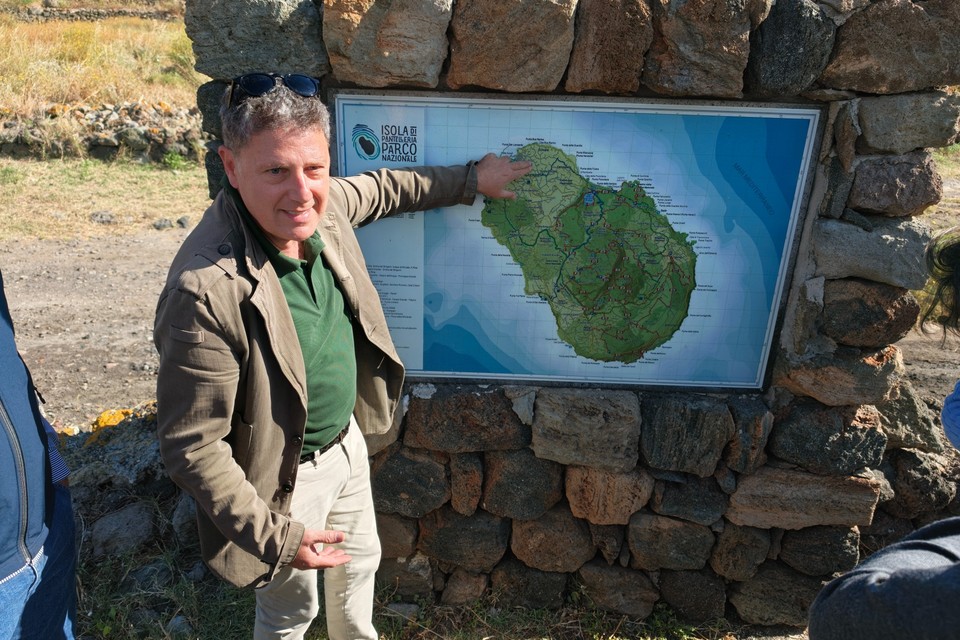
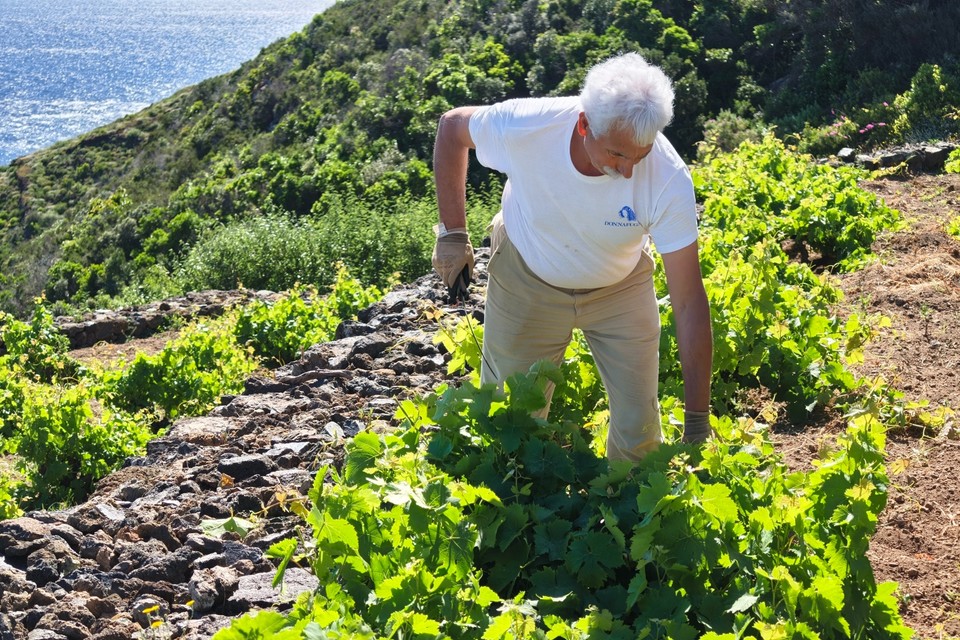
José Rallo was seated at the table. Not as an institutional presence, but as a voice within the island’s narrative. Ben Ryé, after all, is a wine that Donnafugata has always linked to Pantelleria and its wind. The name, from Arabic, translates to “Son of the Wind.” Because on the island, the wind blows through the clusters and becomes part of the very substance of the wine.
«We are trying to tell the story of this sweet-savory pairing between Ben Ryé and certain very sapid, very salty dishes more and more often,» Rallo explained, «such as anchovies or caper pâté: products that are also easily found. We are working to train our agents in Italy and the sales force of our importers abroad in this direction. We have the opportunity to explain absolutely innovative, unexpected, and surprising pairings. Today, for wine enthusiasts, the idea of trying something new is definitely a value.»
Words that explain better than a technical sheet the new frontiers of Ben Ryé, a passito that aspires to escape the enclosure of dessert pairings. Pantelleria, after all, is not a sweet island. It is a harsh, windy island. Saline, mineral. Volcanic. Dried Zibibbo brings sugar, yet wines like this live on tension. The same tension that, at dinner, held up dishes that many would have entrusted to a dry white, a rosé, or even a red.
La Nicchia Restaurant – DISPENSA PANTESCA: PANTESCAN CUISINE AND UNCONVENTIONAL WINE
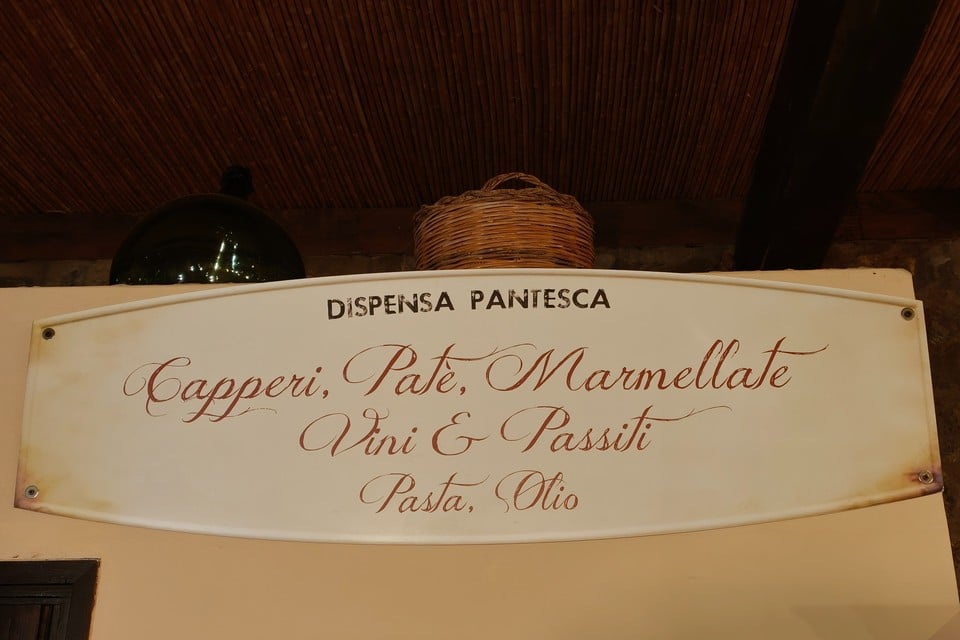
La Nicchia – Dispensa Pantesca served as both setting and protagonist. Not a restaurant used as a backdrop, but a place consistent with the wine featured in the evening. On a sign in the dining room, a phrase that serves as a manifesto: “Capers, pâtés, jams, wines, and passitos. Pasta, oil.” Few words. Enough to understand that here, the story of the island passes through the “pantry” even before the “kitchen.”
That same “pantry” which, at home, is a corner of memories of scents and flavors. Capable, in Pantelleria, of reminding us that a great passito doesn’t necessarily close a dinner. Sometimes it opens it. Sometimes it accompanies it. Sometimes it moves it elsewhere, even through time: to that future of Ben Ryé pairings yet to be written.